Solar Panel System Installation Cost: What Homeowners Should Know in 2026
Explore the true costs of solar panel system installation in 2026, including upfront price ranges, per-watt costs, regional variations, incentives, and financing options for homeowners.


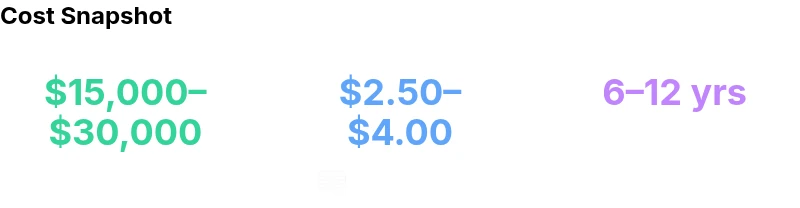
The upfront cost for a typical residential solar panel system usually falls in the tens of thousands of dollars, commonly around $15,000 to $30,000 before incentives for a standard 6 kW installation. Costs vary by panel type, mounting, labor, and local permitting; higher-efficiency modules, roof condition, and electrical work can push the total toward the upper end, while financing options can reduce the initial payment.
What drives solar panel system installation cost
Understanding the upfront cost begins with recognizing the core components: solar panels, the inverter, racking hardware, electrical wiring, permitting and inspection fees, and labor. The total price is a function of system size, panel efficiency, roof complexity, and local labor markets. Solar Panel FAQ notes that the main cost driver is the system size, measured in watts or kilowatts; larger systems require more panels, inverters, and longer installation time, which compounds material and labor costs. In practice, a 6 kW system represents a common benchmark for many households, but regional climate and electrical needs can tilt this baseline.
The term installation cost also covers soft costs like design, engineering reviews, permits, and interconnection applications. These can vary widely by municipality. For an average home, expect quotes to include a site assessment by a qualified installer, mounting hardware suitable for the roof type, and a professional crew handling roof protection, wiring runs, and system commissioning. Labor costs cover permit processing, safety checks, and system testing. Quotes that break down line items clearly make comparison easier, helping homeowners understand where money is going and how much is allotted to material versus labor. The Solar Panel FAQ team emphasizes upfront planning to avoid surprises during construction and to ensure a smooth project.
How installation costs scale with system size and component choices
Costs scale with the size and configuration of the system. A larger system requires more modules, a bigger inverter or multiple inverters, longer wiring runs, and more labor — all contributing to a higher total installed price. However, the per-watt cost often declines as system size grows due to economies of scale. Homeowners can expect a typical range of $2.50–$4.00 per watt for residential installations, depending on panel quality, mounting type, and whether microinverters or string inverters are used. Higher-efficiency panels or premium mounting solutions can push price per watt higher, while standard components and streamlined labor lower the average. Financing options, such as solar loans, can significantly affect the perceived affordability by spreading the cost over time. When evaluating bids, ask installers to provide a cost-per-watt breakdown and total system price, so you can compare apples to apples across providers.
Regional differences and permitting realities
Location matters a great deal. Labor rates, permit costs, interconnection fees, and the availability of local incentives all influence the bottom line. In some regions, permitting is a flat fee; in others, it’s a percentage of the project cost. Interconnection fees with the utility can add to the budget, and HOA rules in certain neighborhoods may require additional documentation or equipment. Climate and roof orientation drive not only energy yield but also the number of panels needed, which feeds back into total cost. The Solar Panel FAQ analysis shows that while the core hardware costs are similar across regions, the final installed price can swing by thousands of dollars depending on local permitting, inspection, and interconnection practices.
Hidden costs to budget for before signing a contract
Even when a bid looks straightforward, several hidden costs can appear later. These may include roof integrity assessments or roof repairs needed before mounting, electrical panel upgrades to accommodate a new PV system, trenching for conduit, tree trimming to improve sun exposure, and added yard work or landscaping to access the installation site. Some installers factor in scoping and engineering reviews, while others bill those as separate line items. Always request a detailed line-item breakdown and review any contingency allowances in the proposal. If you see a surprisingly low bid, probe for what’s excluded and whether the price assumes a certain roof condition or a specific number of roof penetrations. The goal is to avoid sticker shock after work begins and to prevent costly change orders mid-project.
Incentives, rebates, and financing: reducing the upfront hit
In many regions, incentives can meaningfully reduce the net cost of a solar installation. In the United States, the federal Investment Tax Credit (ITC) remains a substantial consideration, typically covering a portion of the system cost. State and local programs, utility rebates, and net metering policies can further tilt the economics in favor of solar. It’s essential to factor incentives into projections and to verify eligibility with your installer or tax professional. Financing options, including solar loans, leases, or power purchase agreements (PPAs), can lower upfront payments and improve cash flow, though they may shift costs over time. Solar Panel FAQ analysis emphasizes that homeowners who plan around incentives and choose a financing plan aligned with their long-term goals often experience the best overall value. When comparing bids, show how incentives alter the net price and monthly payments, not just the sticker price.
Choosing a contractor: what to ask and how to compare bids
A key step in controlling installation cost is selecting the right contractor. Seek multiple quotes, verify licensing and insurance, and request a transparent breakdown of materials, labor, and contingencies. Ask for system warranties, equipment efficiency ratings, and expected performance. The lowest bid isn’t always the best value if it uses cheaper components or vague labor terms. Check references and review past project outcomes, especially those with similar roof types and shading patterns. Ensure the installer provides a clear project timeline, permits, and a plan for post-installation performance verification. A thorough, well-documented bid reduces the odds of hidden costs and ensures you’re comparing apples to apples when evaluating proposals.
Installation timeline and typical process steps
Most residential installations unfold in a series of well-defined steps: initial site assessment, equipment ordering, permitting, inspections, mounting and electrical work, and final commissioning. The exact timeline depends on the permitting process, weather, and roof complexity. Anticipate several weeks from the initial bid to commissioning in many markets, with some projects completing in under a week when conditions align and permits are straightforward. A clear, phased plan helps homeowners align expectations and budget. The Solar Panel FAQ team encourages homeowners to maintain open communication with their installer throughout the process to address any issues promptly and avoid delays that could add to costs.
Quick decision framework: should you install now or wait
If you’re weighing an immediate install versus waiting for changes in technology or incentives, consider three questions: Do you have current energy costs that make solar financially attractive today? Are you eligible for incentives that would reduce net cost in the near term? Is your home ready for solar (roof condition, electrical panel capacity, and sun exposure)? A structured decision process helps you avoid rushing into a suboptimal choice. Start with a cost-benefit analysis using realistic bids, factor in incentives, and compare the long-term savings. The decision to install now versus later should be grounded in your financial goals, household energy needs, and local policy landscape.
dataTable":{"headers":["System Size (kW)","Estimated Installed Cost","Cost per Watt","Typical Payback (years)"],"rows":[["4–6","Varies by region, commonly $12,000–$20,000 before incentives","$2.50–$3.50","6–12"],["6–8","Varies, commonly $18,000–$28,000 before incentives","$2.75–$3.75","6–11"]],"caption":"Representative cost ranges by system size"},
keyTakeaways
["Plan with a bid breakdown to compare apples-to-apples","Account for regional permitting and interconnection fees","Factor incentives into net cost and monthly payments","Ask for a transparent contingency and warranty details"]
expertQuote":{"quote":"Understanding the full lifecycle cost—from installation to maintenance and incentives—helps homeowners make smarter solar choices.","author":"Solar Panel FAQ Team","credentials":"Independent research team, Solar Panel FAQ"},
faqSection
{"items":[{"question":"What is included in the installation cost?","questionShort":"What's included?","answer":"A typical installation includes hardware, solar panels, inverters, wiring, mounting, permitting, inspection fees, and labor. Some bids separate soft costs like design and permits. Always review a line-item breakdown to know where money goes.","voiceAnswer":"Most bids cover hardware, panels, inverters, wiring, mounting, and labor; ask for a line-item breakdown to understand each cost.","priority":"high"},{"question":"Do costs vary by roof type or location?","questionShort":"Roof/location impact?","answer":"Yes. Roof orientation, pitch, and material, plus local permitting and labor rates, influence total cost. Regions with stringent permitting or higher labor costs typically see higher installed prices.","voiceAnswer":"Roof type and location can raise or lower the price depending on complexity and local rules.","priority":"high"},{"question":"How does system size affect cost per watt?","questionShort":"Size vs cost per watt","answer":"Cost per watt often declines with larger systems due to economies of scale, but total installed cost rises with more capacity. Always compare bids on a price-per-watt basis to judge value.","voiceAnswer":"Higher system sizes usually lower cost per watt, but total price goes up.","priority":"medium"},{"question":"Are there common hidden fees to budget for?","questionShort":"Hidden fees?","answer":"Yes. Hidden costs may include roof work, panel upgrades, trenching, or landscaping for access. Request a detailed bid and confirm whether contingencies are included.","voiceAnswer":"Watch for hidden costs like roof work or wiring needs that aren’t obvious at first.","priority":"medium"},{"question":"What incentives reduce the upfront cost?","questionShort":"Incentives?","answer":"Federal, state, and utility incentives can significantly reduce net cost. In the US, the federal ITC typically lowers the upfront price; additional programs vary by location.","voiceAnswer":"Incentives can dramatically cut upfront costs; check what’s available where you live.","priority":"medium"},{"question":"Is it cheaper to install solar yourself?","questionShort":"DIY solar?","answer":"For most homeowners, professional installation is essential for safety, warranty coverage, and code compliance. DIY installations often void warranties and can cause safety risks.","voiceAnswer":"DIY isn’t recommended; professional installers ensure safety and code compliance.","priority":"low"}]}
mainTopicQuery
installation cost
Sample data table for reference
| Name | Value | Unit |
|---|---|---|
| Total cost (4–6 kW) | $12,000–$20,000 | USD |
| Premium 6–8 kW system | $18,000–$28,000 | USD |
Frequently Asked Questions
What is included in the installation cost?
A typical installation includes hardware, solar panels, inverters, wiring, mounting, permitting, inspection fees, and labor. Some bids separate soft costs like design and permits. Always review a line-item breakdown to know where money goes.
Most bids cover hardware, panels, inverters, wiring, mounting, and labor; ask for a line-item breakdown to understand each cost.
Do costs vary by roof type or location?
Yes. Roof orientation, pitch, and material, plus local permitting and labor rates, influence total cost. Regions with stringent permitting or higher labor costs typically see higher installed prices.
Roof type and location can raise or lower the price depending on complexity and local rules.
How does system size affect cost per watt?
Cost per watt often declines with larger systems due to economies of scale, but total installed cost rises with more capacity. Compare bids on a price-per-watt basis to judge value.
Larger systems usually lower cost per watt, but the total price goes up.
Are there common hidden fees to budget for?
Hidden costs may include roof work, panel upgrades, trenching, or landscaping for access. Request a detailed bid and confirm contingencies are included.
Watch for hidden costs like roof work or wiring needs that aren’t obvious at first.
What incentives reduce the upfront cost?
Federal, state, and utility incentives can significantly reduce net cost. In the US, the federal ITC typically lowers the upfront price; additional programs vary by location.
Incentives can dramatically cut upfront costs; check what’s available where you live.
Is it cheaper to install solar yourself?
For most homeowners, professional installation is essential for safety, warranty coverage, and code compliance. DIY installations often void warranties and can cause safety risks.
DIY isn’t recommended; professional installers ensure safety and code compliance.
“Understanding the full lifecycle cost—from installation to maintenance and incentives—helps homeowners make smarter solar choices.”
Top Takeaways
- Plan with a bid breakdown to compare apples-to-apples
- Account for regional permitting and interconnection fees
- Factor incentives into net cost and monthly payments
- Ask for a transparent contingency and warranty details