Solar Panel Installation Quotation: A Practical Guide
Learn how to read a solar panel installation quotation, compare itemized costs, avoid hidden fees, and choose the best value for your home. Practical guidance for homeowners seeking clear, accurate quotes in 2026.


A solar panel installation quotation is a detailed, itemized estimate from an installer that breaks down equipment, labor, permits, and related costs to help you compare value. For homeowners, the emphasis should be on what’s included (design, system components, wiring, permits, and interconnection), not only the price. Quotes typically provide a range based on site conditions and incentives, so compare apples-to-apples across identical scopes.
Understanding what a solar panel installation quotation includes
A well-constructed quotation goes beyond a final price. It should clearly outline the scope, equipment list, and performance assumptions so you can judge whether the proposed system meets your goals. Expect sections for the design phase, mounting hardware, inverters, electrical wiring, and a labeled bill of materials. The document should also spell out permits, interconnection with the grid, inspection steps, and any monitoring or maintenance plans. When reading, verify that the system size and orientation match your site assessment and that there is a stated warranty coverage for panels, inverters, and workmanship. A credible quote will differentiate between what is required for code compliance and what is optional add-ons. Include a timeframe for engineering sign-off, permitting, installation, and commissioning to avoid surprises later.
(Notes: If a quote omits a component, ask for its inclusion in a revised version. Itemized quotes are easier to compare across installers, as discussed in industry guidance.)
How quotes are calculated: components and variables
Quotes come from a combination of material costs, labor hours, site conditions, and regional permitting requirements. Core cost buckets typically include solar modules, racking and mounting hardware, inverters, electrical interconnection equipment, wiring, and fasteners. Labor costs reflect roof pitch, complexity, and required safety measures. Additional charges may appear for trenching, electrical upgrades, or roof repairs. Incentives, tax credits, and utility interconnection fees influence the net price. A defensible quotation provides a line-by-line cost breakdown, with unit prices for major components and a subtotal for labor and soft costs such as permitting and design.
To compare quotes fairly, ensure each quotation assumes the same system size, same panel model, and similar monitoring options. If one quote includes premium panels while another uses basic modules, you’re not comparing the same scope. Clarify how shading analysis, wiring runs, and interconnection costs are treated in each estimate.
How location and roof type affect quotations
Site-specific factors have a big impact on cost and feasibility. Roof orientation, tilt, shading from trees or nearby structures, and roof condition determine the number of panels required and the efficiency of the system. Tile roofs, metal roofs, or flat-roof installations require different mounting solutions, which influences labor time and material costs. Soffit clearance, attic access, and attic or crawlspace insulation can affect installation quality and pricing. If retrofitting wiring or upgrading electrical service is needed, these items will appear as separate line items. The regional climate and fire codes also influence permit requirements and safety equipment costs. A thorough site assessment should capture these variables and translate them into a precise quote.
Common quote pitfalls and red flags
Beware quotes that are ambiguously worded or lack a clear scope. Red flags include vague equipment specifications, no panel model numbers, no inverter type, or missing warranty terms. If the quote omits permitting, interconnection fees, or inspection costs, these may appear as hidden add-ons later. Another warning sign is a very short lead time accompanied by urgent pressure to sign; rushed quotes often skip important details. Ensure the warranty terms cover modules, inverters, and workmanship for a minimum period, and that transferability is stated if you sell the home. Finally, verify that the installer is licensed, insured, and capable of handling local grid interconnection rules.
Practical steps to obtain and compare quotations
Begin with a site visit from at least three installers to confirm system size and orientation. Provide a standardized scope to each vendor so you compare apples to apples. Request itemized quotes that separate equipment costs, labor, permits, interconnection, and monitoring. Ask for a copy of the system design, schematic, and a labeled Bill of Materials. Confirm who handles permits, inspections, and any electrical upgrades. Check the proposed timeline from design approval to commissioning and ensure the contract discusses change orders and cancellation policies. Finally, request references or case studies from similar homes to gauge performance and customer satisfaction.
Interpreting costs: equipment, labor, permits, and incentives
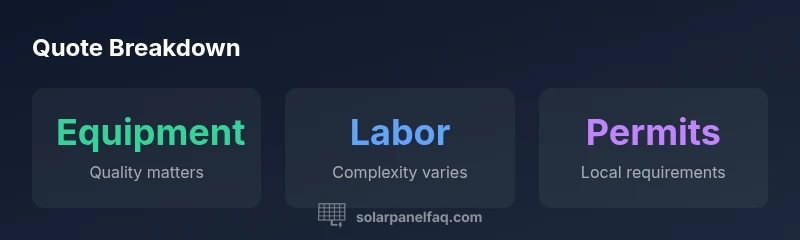
A quotation’s total price is a sum of several distinct components. Equipment costs reflect the panel brand, efficiency, and warranty terms. Labor costs are driven by roof type, complexity, and safety requirements. Permits, interconnection fees, and potential electrical upgrades add to the base price. Government incentives and utility programs can significantly reduce out-of-pocket expense, but they vary by region and eligibility. Look for a clear line item for each cost, and calculate the net price after incentives. A robust quote will show how incentives influence the final price and whether financing options are available to spread the cost over time.
Pay attention to warranties, service plans, and monitoring
System warranties protect your investment in different ways. Panel warranties typically cover performance for 25 years, while inverter warranties may span 10 to 15 years. Workmanship warranties are crucial for addressing installation-related issues. Some quotes include monitoring services that allow remote performance tracking; assess whether monitoring is a recurring fee and what data access you receive. Clarify maintenance responsibilities and frequency, such as cleaning, inspections, or component replacements. A quote that explicitly defines warranty transferability and service terms reduces post-installation friction should issues arise.
Negotiation tips and what to expect in the final contract
Negotiation should focus on value, not just price. Ask for price matching where feasible, while prioritizing quality components, robust warranties, and clear service commitments. When negotiating, request a revised quote with a transparent scope, full BOM, and timing details. Ensure there are no hidden fees for permitting, interconnection, or system commissioning. Review the contract’s change-order process, cancellation terms, and lien waivers. Finally, confirm whether the quote remains valid for a specified period and what affects price fluctuations (material shortages, shipping costs, or policy changes).
Real-world example scenarios and checklists
Budget-focused scenario: prioritize cost-effective modules with a solid warranty and standard monitoring; expect a quicker installation if roof layout is straightforward. Performance-focused scenario: emphasize higher-efficiency panels, optimizers or microinverters, and enhanced monitoring for long-term output. Roof type checklist: tile roofs may require sealing and waterproofing; metal roofs often allow faster mounting with fewer penetrations. Always carry a physical checklist to your site visits and keep a copy of each vendor’s scope and warranty terms for side-by-side comparison.
Comparison of quotes by scope and cost bands
| Quote Source | Estimated Cost | Lead Time | Warranty | Notes |
|---|---|---|---|---|
| Low-cost option | "$3,500-$6,000" | "2-4 weeks" | "Inverter 10-year; panels 25-year; workmanship 1-2 years" | "Basic components; possible add-ons later" |
| Mid-range option | "$6,000-$9,000" | "3-5 weeks" | "Inverter 12-15 year; panels 25-year; workmanship 2-5 years" | "Includes monitoring and permit fees" |
| Premium option | "$9,000-$13,000" | "4-6 weeks" | "Panels 25-30 year; inverter 10-15 year; workmanship 5-10 years" | "Grid-tie compliance and enhanced monitoring included" |
Frequently Asked Questions
What is typically included in a solar panel installation quotation?
Most quotes include system size, equipment list, cost breakdown, permits, interconnection, installation timeline, and warranties. They should also specify who handles design, testing, and inspections.
A typical quotation lists the parts, price, permits, and schedule.
How can I compare quotes effectively?
Ensure you’re comparing the same scope and system size, request itemized line items, and verify component models. Use a standardized checklist to normalize differences.
Make sure you’re comparing apples to apples.
Why do quotes vary so much between installers?
Differences in equipment quality, system design complexity, roof type, labor rates, and permitting costs drive price variation. Incentives and financing options can also change the headline price.
Prices vary due to equipment, design, and local costs.
Should I expect additional costs after signing a quotation?
Some installers may add permit fees, interconnection charges, or roof work if site conditions change. Always confirm what’s included and obtain a written change-order protocol.
Watch for hidden costs that aren't listed.
What warranties should I look for in a solar installation?
Look for module warranties (often 25 years), inverter warranties (10-15 years), and workmanship warranties (2-10 years). Verify transferability and service terms in the contract.
Check all warranties and what they cover.
Is it normal for quotes to include monitoring or maintenance agreements?
Some quotes include monitoring subscriptions or maintenance plans. Consider long-term value versus upfront cost and whether monitoring data is accessible to you.
Ask about ongoing costs and data access.
How long does it take to receive a quotation?
Most quotes are provided within 1-3 weeks after a site assessment, depending on the complexity and the installer’s backlog. Expedited quotes may omit critical details.
Quotes typically arrive in a couple of weeks.
“A transparent installation quotation helps homeowners separate price from value, ensuring you’re not paying for things you don’t need.”
Top Takeaways
- Ask for itemized quotes with a full scope.
- Compare same system size and components across vendors.
- Inspect warranties and transferability before signing.
- Factor permits, interconnection, and incentives into your cost.