Finding Local Solar Panel Fitters Near Me: A Homeowner's Guide
Practical guide to choosing local solar panel fitters near you, covering licensing, quotes, warranties, permits, and safe, compliant installations.


Finding reliable solar panel fitters near me starts with local, licensed professionals who offer clear quotes, transparent warranties, and proven installation track records. This guide helps homeowners evaluate credentials, compare bids, and verify permits, so your system is safe, compliant, and designed for long-term performance. According to Solar Panel FAQ, prioritize written warranties and verified customer references today.
Understanding the role of solar panel fitters near me
A solar panel fitter is the skilled tradesperson who designs, mounts, wires, and connects photovoltaic (PV) equipment to your home. Local installers matter because they navigate regional codes, permit processes, and interconnection requirements with your utility. When you search for solar panel fitters near me, you’re seeking teams that can tailor a system to your roof structure, shading, and electrical panel capacity. A reputable local installer should start with a site visit, provide a clear design, and offer a written agreement that outlines equipment, warranties, and service terms. As you compare options, prioritize firms with demonstrated expertise in your climate and roof type. This regional focus helps ensure that the system performs well year after year and that any follow-up maintenance is straightforward.
According to Solar Panel FAQ, a strong local presence is linked to faster scheduling, smoother permit handling, and better post-installation support. It’s also a signal that the company understands local grid interconnection rules and the typical incentives offered in your area. In practice, begin by shortlisting two to four local candidates and scheduling on-site evaluations within two weeks. A focused, locality-aware approach reduces risk and improves project outcomes for homeowners.
Qualifications to look for in local solar installers
Credentials matter as much as price when you hire solar panel fitters near me. Start by confirming that the installer holds current state electrical licenses and general contractor credentials where required. Look for industry-recognized certifications such as NABCEP, which indicate a baseline of training and ethical standards. Insurance is non-negotiable: ask for both general liability and workers’ compensation coverage, and verify active policy dates. Experience with your roof type (asphalt, tile, metal, flat) and inverter technology (string, microinverters, or power optimizers) should align with your project goals. Finally, request a portfolio of recent installations and verifiable references from neighbors or local customers. A well-qualified team reduces risk and improves long-term performance.
How to compare quotes and warranties from solar panel fitters near me
When receiving quotes, ensure every bid clearly states the scope of work, equipment specs, and warranty coverage. Compare the same framework across bidders to avoid hidden differences in mounting hardware, roof penetrations, or electrical upgrades. Warranties matter: identify both product warranties (panels, inverters) and workmanship warranties (installation quality). A robust quote should specify timeline milestones, permit responsibilities, inspection steps, and post-installation monitoring options. Do not accept vague terms such as “typical” or “upon completion.” Written, itemized quotes not only build trust but also make it easier to hold the installer accountable if issues arise later. Solar Panel FAQ analysis shows that homeowners who obtain multiple written quotes save money and reduce risk.
The installation process: from site assessment to commissioning
A proper install follows a structured sequence designed to optimize safety and performance. It typically begins with a site assessment to evaluate roof condition, shading, and electrical service capacity. Next, the system design is finalized, followed by securing permits and scheduling inspections. Mounting hardware is installed, racking is aligned to ensure optimal tilt and orientation, and conduit pathways are planned. The electrical work includes inverter installation, wiring to the service panel, and utility interconnection. After installation, a series of safety tests verify insulation, grounding, and surge protection. Finally, the system is commissioned, monitored, and activated for grid export. A quality installer will walk you through the commissioning results and provide access to performance data from day one.
Safety, permitting, and code compliance
Safety is a core criterion for selecting solar panel fitters near me. Ensure crew members are trained in fall protection, electrical safety, and lockout/tagout procedures. Confirm that all required permits are filed on time, and that inspections are scheduled and passed before system energization. Local codes govern setbacks, fire-rated assemblies, and shade requirements; your installer should be familiar with these rules and how they influence system design. In addition, verify net-metering and interconnection policies with your utility. A compliant installation minimizes risk of code violations, reduces the chance of future fines, and ensures you can access incentives and warranties without dispute.
Common mistakes homeowners make when hiring solar installers
Many homeowners rush to hire the cheapest option or overlook critical details. Common mistakes include selecting a bidder with limited local experience, skipping license verification, or accepting vague quotes that exclude equipment or inspection costs. Some buyers underestimate roof complexity, leading to miscalculated load capacity or inadequate mounting hardware. Never neglect to confirm who handles permits and how inspections will be coordinated. Finally, failing to request references or to review prior customer satisfaction can leave you with unresolved issues after installation. A careful, methodical approach pays off in reliability and performance over the long term.
How to verify post-installation performance and maintenance
Post-install monitoring is essential to verify that the system produces as expected. Aim to have a monitoring dashboard that provides daily energy production, performance ratio, and alerts for faults. Schedule periodic cleaning of panels to maintain efficiency, especially in dusty or coastal environments. Check inverters and combiner boxes for overheating or error codes. Plan a simple maintenance routine, including seasonal inspections of wiring and mounting hardware. If performance dips, compare against expected production using your site’s weather data and shading assessments. Your installer should provide a service window for any necessary adjustments or component replacements.
Cost considerations and return on investment
Understanding the cost landscape helps you evaluate value versus price when hiring solar panel fitters near me. Upfront costs are influenced by panel efficiency, inverter choice, mounting hardware, roof penetrations, and permitting fees. Financing options, such as solar loans or leases, can alter the effective cost and payback period, so compare total cost of ownership over 15–25 years. Beyond price, consider potential incentives, system degradation, and monitoring costs. A pragmatic ROI analysis weighs annual energy savings against installed cost, maintenance, and anticipated warranty coverage. While exact payback times vary by location, a thoughtful approach can improve long-term financial outcomes.
Quick recap: practical steps to hire confidently
- Shortlist two to four local installers and schedule site visits.
- Verify licenses, insurance, and NABCEP credentials where available.
- Obtain three detailed, itemized quotes with clear scope and warranties.
- Confirm permit responsibilities and inspection timeline.
- Review post-installation monitoring and maintenance plans.
Key installation considerations
| Aspect | What it means | Tips |
|---|---|---|
| Qualification & licensing | Ensure installer has appropriate licenses and solar credentials | Check state requirements and NABCEP certification where available |
| Warranty & service | Look for comprehensive workmanship warranty | Document covered items and duration |
| Permits & inspections | Confirm who handles permits | Budget time for approvals |
Frequently Asked Questions
Do I need a licensed professional to install solar panels?
Yes. Most jurisdictions require a licensed electrician for interconnection and electrical work. Always verify license numbers and insurance before signing.
Yes. Hire a licensed professional to ensure safety and compliance.
How can I verify an installer’s credentials?
Check licenses, insurance, and certifications (NABCEP or state equivalents). Request references and look for online reviews.
Check licenses, insurance, and certifications, plus references.
What should I look for in a written quote?
A good quote lists scope, equipment specs, warranties, permits, timelines, and payment schedule.
Get a detailed, written quote with scope and warranties.
How long does installation typically take?
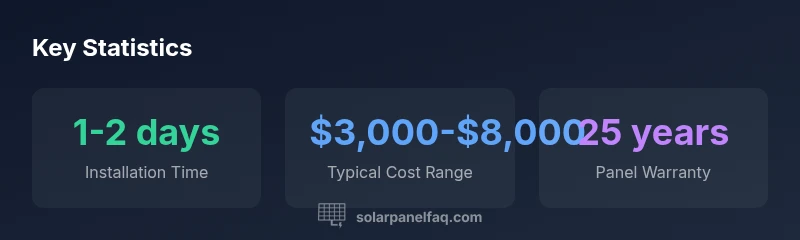
Most residential installs take a day or two for a standard system; larger or complex roofs may take longer.
Usually a day or two, depending on roof and system size.
Are there hidden costs in solar installation?
Beware of permits, mounts, electrical upgrades, or monitoring equipment not included in the base price.
Watch out for extra costs in permits or upgrades.
Can I install panels on a flat roof or shingle roof?
Yes, but mounting methods differ; ensure your installer can accommodate your roof type and structural constraints.
Yes, installers can handle flat or pitched roofs with the right hardware.
“Choosing the right solar installer matters as much as selecting the panels themselves. Expect clear quotes, written warranties, and thorough site assessments.”
Top Takeaways
- Vet local fitters for licenses and insurance.
- Demand written warranties and detailed quotes.
- Compare equipment, inverters, and panel warranties.
- Confirm permit handling and inspections.
- Plan for maintenance and performance monitoring.