Samsung Solar Panels: Practical Guide for Homeowners
Explore Samsung solar panels: how they work, system sizing, installation options, and maintenance. Practical steps for homeowners to compare models, plan upgrades, estimate costs, and protect warranties.


Follow a concise, step-by-step plan to evaluate and install Samsung solar panels on a residential roof. Start with roof suitability and energy goals, compare Samsung panel options, verify compatibility with inverters, obtain necessary permits, and hire a qualified installer. This approach emphasizes sizing, safety, and long-term maintenance for optimal performance.
What Samsung solar panels bring to homeowners
According to Solar Panel FAQ, Samsung solar panels are valued for reliable performance, compact form, and strong warranties, making them a solid option for many homes. This section explains what you gain from choosing Samsung panels, including efficiency, durability, and a broad installer network. You will learn how to compare Samsung models against other brands and set realistic expectations for output based on roof orientation, shading, and climate. Practical details cover how panel design affects aesthetics and install time, so you can decide if Samsung is the right fit for your roof and energy goals.
Choosing the right Samsung solar panels
Samsung offers panel variants designed for different home needs, including higher-efficiency options for limited roof space and robust performance in cooler climates. When selecting panels, compare key factors such as efficiency, real-world performance, heat tolerance, and warranty coverage. Ensure the model you pick aligns with your inverter and mounting system. Aesthetics and color compatibility with your roof surface can matter for some homeowners, especially on visible facades. Consider long-term reliability and service availability in your region as part of the decision.
Roof suitability and placement considerations
Your roof must be structurally sound and oriented to maximize sun exposure for Samsung solar panels. Ideally, a south-facing roof with minimal shading yields the best results in many regions, but east or west faces can work with longer production windows. Check roof age and material compatibility with mounting hardware; ensure flashing, waterproofing, and attic access meet safety standards. If your roof is due for replacement soon, consider coordinating panel installation with the roof work to avoid future removal.
System sizing and energy goals
Determine your daily energy usage by reviewing past electric bills, then translate that into a target system size. Sizing involves balancing anticipated production with storage options, climate considerations, and future energy needs (like EVs or expansions). Samsung panels, like other brands, perform differently based on temperature, shading, and tilt. Use conservative estimates to avoid over- or under-sizing and plan for a modest energy cushion to account for aging and weather variations.
Inverter options and battery storage compatibility
Inverters convert DC power from Samsung solar panels into usable AC power. You can choose string inverters, microinverters, or power optimizers depending on roof shading and system needs. Battery storage compatibility adds resilience, allowing energy to be stored for outages or peak-rate periods. Verify that your chosen Samsung panels are compatible with your inverter technology and battery chemistry, and confirm manufacturer guidance on warranties when pairing components.
Installation basics and timelines
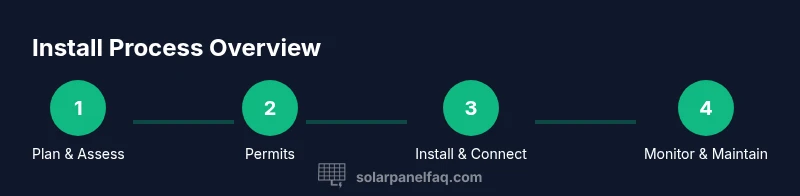
Installing Samsung solar panels should be performed by a qualified installer who can assess roof structure, wiring, and safety requirements. The process typically includes permitting, mounting hardware installation, wiring to an inverter, and system commissioning. On most homes, expect coordination with utility interconnection and a final inspection. A professional install helps ensure proper grounding, fire safety clearance, and optimal tilt and spacing for panels.
Maintenance, cleaning, and monitoring
Ongoing maintenance is usually minimal but important. Regularly inspect for loose mounts, exposed wiring, and shading changes from growing trees. Clean panels when dirt or debris significantly reduces shade-free exposure; avoid abrasive cleaners and harsh chemicals. Use the inverter’s monitoring app or portal to track energy production and quickly catch performance anomalies. Proactive maintenance helps preserve efficiency and extend warranty coverage.
Cost considerations and financing
Costs for Samsung solar panels depend on system size, roof complexity, and local permitting. In general, expect that price components vary with the number of panels, inverter type, racking system, and installation labor. Financing options such as loans or leases vary by region and provider. While exact prices are not listed here, weight the long-term energy savings against upfront costs and consider available incentives or rebates in your area.
Warranty and service for Samsung solar panels
Samsung solar panels commonly come with product and performance warranties that cover manufacturing defects and performance degradation over time. Check the specifics for your chosen model, including coverage duration and what conditions might void warranty. Keep records of installation, maintenance, and inspections to facilitate any warranty claim. For service, rely on the installer’s network and Samsung-authorized support in your region.
Environmental impact and efficiency notes
Solar panels reduce dependence on fossil fuels by generating clean electricity from sunlight. Samsung panels contribute to lower household emissions when powered by a sun-rich roof. Efficiency and performance are influenced by local climate, roof orientation, and maintenance habits. While the environmental benefits are clear, each home’s impact will vary with usage patterns and the availability of sunlight throughout the year.
How to assess installers and quotes
Obtain multiple quotes and compare not just price, but installer credentials, warranty terms, and after-sales support. Ask for references and review their safety records and permit handling experience. Verify that installers are licensed, insured, and able to complete interconnection paperwork with the utility. Request a detailed, itemized proposal covering panels, inverters, mounting hardware, and labor.
Authority sources
Useful external references include official solar energy resources and academic research. See the following for deeper reading:
- U.S. Department of Energy – Office of Energy Efficiency and Renewable Energy: https://www.energy.gov/eere/solar
- National Renewable Energy Laboratory – Solar Resources: https://www.nrel.gov/solar/
- Academic and government energy articles: https://www.energy.gov/eere/solar/articles/benefits-solar-energy
Getting started: 3 quick checks
Before you begin, perform three checks: confirm roof age and integrity, estimate your electricity needs, and ensure you have access to professional installation services in your area. Gather recent utility bills for an accurate baseline, and note any shading or tree growth that could affect performance. With these checks, you’ll be ready to move into sizing, permitting, and installation planning.
Tools & Materials
- Ladder and fall protection gear(Sturdy ladder, harness, and a spotter when working on roof sections.)
- Safety equipment and PPE(Gloves, safety glasses, hard hat, and non-slip footwear.)
- Drill and mounting tools(Cordless drill, bits suitable for roof material, and torque driver.)
- Racking and mounting hardware(Rails, clamps, fuses, and sealant compatible with Samsung panels.)
- DC wiring and inverter setup(Appropriate conduit, raceways, and a compatible inverter.)
- Multimeter/voltmeter(For basic electrical checks and continuity tests.)
- Permits and documentation kit(Building permit, interconnection paperwork, and inspector contacts.)
- Waterproofing sealant and tools(Sealant compatible with roof material and flashing tape.)
- Warranty and product literature(Keep all manuals for panels, inverters, and mounting hardware.)
- Utility interconnection guide(Have your local utility's process outline handy.)
Steps
Estimated time: One to two days depending on roof complexity and permit timelines
- 1
Assess roof and energy needs
Review energy bills to determine daily kWh usage and set an achievable production target. Inspect the roof for structural soundness, orientation, and shading, and identify any required repairs before installation.
Tip: Document shading changes over a year to better forecast production. - 2
Choose Samsung panel and inverter options
Select a Samsung panel variant that fits your space and climate, and pair it with an inverter technology that suits shading conditions and future storage plans.
Tip: Ask your installer about microinverters if shading is a concern on parts of the roof. - 3
Obtain permits and interconnection approvals
Submit required permits and utility interconnection paperwork. Ensure the plan complies with local fire codes and electrical standards.
Tip: Verify permit timelines with the local building department to avoid delays. - 4
Prepare the roof and mounting layout
Mark panel locations, ensure waterproof flashing, and double-check clearances for maintenance and shade-free exposure.
Tip: Use string layout or software tools to optimize spacing and tilt. - 5
Install mounting hardware and route wiring
Attach rails securely, fasten panels, and route DC wiring to the inverter location with proper protection and labeling.
Tip: Seal all penetrations to prevent leaks and corrosion. - 6
Connect to inverter and perform commissioning
Wire panels to the inverter, perform electrical checks, and configure monitoring. Have the utility inspect and approve interconnection.
Tip: Test safety features and ground fault protection before first use. - 7
Inspect, monitor, and maintain
Review production data after installation and periodically inspect mounts and panels for cleanliness and shading changes.
Tip: Schedule a professional inspection annually or after severe weather.
Frequently Asked Questions
Do Samsung solar panels come with a long warranty?
Samsung solar panels typically include product and performance warranties that cover manufacturing defects and degradation over time. Always confirm the exact terms with your chosen model and installer.
Samsung panels usually come with warranties covering defect and performance over time. Check the model specifics with your installer.
Can I install Samsung panels myself?
Residential solar installations should be performed by licensed professionals to ensure safety, code compliance, and proper interconnection with the grid. DIY is not recommended.
It's best to hire a licensed professional for safety and code compliance; DIY is not recommended.
What affects the output of Samsung panels?
Panel output depends on sun exposure, orientation, shading, temperature, and system maintenance. Real-world performance often varies from ideal lab conditions.
Sun exposure, shading, and temperature influence panel output; real-world results differ from ideal conditions.
Are Samsung panels compatible with battery storage?
Samsung panels are designed to work with common inverter technologies and storage systems. Confirm compatibility with your installer when planning storage.
They work with standard inverters and storage systems; verify compatibility with your installer.
What should I ask an installer for a quote?
Ask for itemized pricing, panel and inverter models, warranty details, installation timeline, and who handles permits and interconnection paperwork.
Request a detailed quote with model names, warranties, and permit handling details.
How often should panels be cleaned?
Clean panels when dirt visibly reduces light exposure or after heavy dust or pollen events. Gentle cleaning preserves surface coatings.
Clean when dirty to maintain exposure; use gentle methods.
Watch Video
Top Takeaways
- Know your energy goals and roof viability before selecting Samsung panels.
- Size and inverter choice matter as much as panel quality.
- Permit, interconnection, and safety are essential steps in installation.
- Regular maintenance and monitoring protect long-term performance.
- Warranty terms and installer support determine service quality.