MA Solar Panel Installer: A Practical Guide for Massachusetts Homeowners
Comprehensive guide to finding and working with a MA solar panel installer, navigating permits, incentives, and long-term performance for Massachusetts homes.


MA homeowners seeking solar should start with a qualified MA solar panel installer who is licensed, bonded, and NABCEP-certified where possible. A strong installer will handle permitting, system design, and coordination with utilities to maximize incentives such as SMART and net metering. Typical projects range from 4-6 weeks from contract to grid connection, depending on town permitting.
Understanding the MA Solar Installer Landscape
Massachusetts homeowners face a robust market for solar panel installation, with a mix of small local installers and larger regional firms. According to Solar Panel FAQ, the MA landscape is shaped by state incentives, local permitting rules, and interconnection policies that can affect project timelines and total savings. A high-quality MA solar panel installer not only wires the array but also acts as a project manager, coordinating permits, utility interconnection, and installation sequencing. When evaluating options, look for a company that provides a transparent timeline, clear responsibilities, and a contingency plan for weather or permit delays. The best teams will bring a detailed site assessment, realistic energy projections, and a grid-interconnection plan that minimizes downtime. For homeowners, the right partner should explain how incentives like SMART and net metering integrate with system design to maximize long-term financial benefits.
Licensing, Credentials, and Due Diligence
In Massachusetts, contractors performing electrical work or installing solar arrays should hold appropriate licenses and registrations with the state and local authorities. While specific licensing varies by municipality, look for an electrical contractor license and, ideally, NABCEP certification or equivalent credentials. A trustworthy MA solar panel installer will provide proof of licensing, insurance, and bonding, plus a written warranty on both equipment and workmanship. You should also request recent customer references and a portfolio of completed installations with performance data. Check complaint history with the appropriate consumer protection office and verify interconnection approval status before signing.
Permitting, Interconnection, and Timelines
Massachusetts requires interconnection approval and building permits before turning on a solar system. The installer should handle permit applications, utility interconnection paperwork, and scheduling inspections. Timeline variability is common due to town-specific permitting backlogs, weather, and utility queue position. A well-organized MA solar panel installer will provide a calendar that includes design approval, permit submission, inspection windows, and a target grid-connection date. To reduce delays, choose installers who gather site data early, perform shading analysis, and coordinate with your utility to confirm required forms. If you anticipate holidays or permit backlogs, ask about contingency plans and alternative commissioning dates.
System Design: Sizing, Orientation, and Shading
Choosing system size is more than staring at a roof; it depends on energy use, roof orientation, shading, and future plans (like battery storage). An experienced MA installer uses a shading analysis, inverter strategy, and panel orientation guidance to maximize production. They should present multiple design options with projected annual energy output, estimated savings, and payback comparisons. Ground-mounted vs. roof-mounted options should be weighed for structural integrity, weather exposure, and roof wear. The best designs accommodate future upgrades and ensure proper clearance for maintenance. They should also discuss panel types, warranty terms, and monitoring capabilities so you can verify performance over time.
Financing, Incentives, and Payback
Massachusetts residents can access multiple incentives, from state SMART program rebates to net metering credits and federal tax incentives where applicable. An informed MA solar panel installer explains how incentives influence the up-front cost, monthly savings, and total payback period. They should present financing options such as purchase, loan, or lease (where available), and help you compare total cost of ownership across scenarios. Realistic projections require monitoring of energy production, system degradation, and maintenance costs. Your installer should also outline warranty coverage for modules, inverters, and racking, plus post-install monitoring so you can track performance and detect underproduction early.
Choosing the Right Installer: Red Flags and Vetting
To avoid surprises, vet candidates with a structured checklist: verify licensing and insurance, review past projects with references, and confirm warranty terms in writing. Beware of unusually low quotes, high-pressure sales tactics, or vague system diagrams. Ask for a detailed bill of materials, a site plan, and a commissioning checklist that includes interconnection steps. Confirm that the installer will handle post-install support, monitoring access, and scheduled maintenance. Remember: the cheapest option is not always the best if it compromises safety or long-term performance.
Maintenance, Warranties, and Long-Term Performance
Solar panels typically require minimal maintenance, but a quality MA installer should offer a clear maintenance schedule and a responsive warranty framework. Look for module warranties of 25 years and consistent inverter warranties, commonly 10-12 years, with replacement options. Establish a monitoring plan to detect drops in production, and confirm that the installer provides training on interpreting performance data. Regular cleaning to remove debris (not on rainy days) and annual inspections can extend system life. A robust maintenance agreement ensures that any performance issues are identified and resolved promptly.
Next Steps: Quotes and Scheduling
This is the stage to gather quotes from at least three MA solar panel installers, compare design proposals, and confirm interconnection timelines. Request a formal written contract detailing scope of work, equipment specifications, warranties, and payment terms. Use a consistent rubric to evaluate energy production projections, cost of ownership, and service levels. After selecting a installer, coordinate a pre-construction site walk and schedule a final sign-off before installation begins.
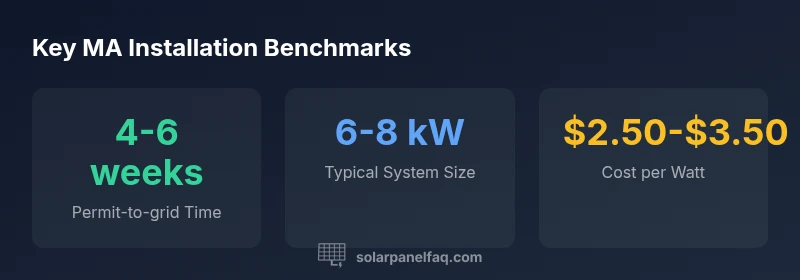
MA solar installation benchmarks
| Aspect | Typical Range | Notes |
|---|---|---|
| Permitting Time | 4-6 weeks | Varies by town & utility |
| Residential System Size (MA) | 6-8 kW | Common choice for households |
| Cost per Watt | $2.50-$3.50 | Before incentives; varies by installer |
| Payback Period (MA) | 5-12 years | Depends on usage and incentives |
Frequently Asked Questions
What licenses should a MA solar panel installer hold?
In Massachusetts, contractors performing electrical work or installing solar arrays should hold appropriate licenses and registrations with state and local authorities. Look for an electrical contractor license and, ideally, NABCEP certification or equivalent credentials. A credible installer will provide proof of licensing, insurance, and bonding, plus a written workmanship warranty.
Look for a licensed electrical contractor and NABCEP certification when possible, and ask the installer for proof before you sign.
How long does a typical MA solar installation take?
Timelines vary by town and permit queues, but you can generally expect a multi-week process from design to activation. Your installer should provide a calendar with design approval, permit submission, inspections, and a target grid-connection date.
Most projects take several weeks to a couple of months, depending on permits and interconnection.
Are there incentives in MA I should know about?
Massachusetts offers incentives such as SMART program rebates, net metering, and federal options where applicable. Eligibility depends on program rules, system size, and enrollment timing. Your installer should explain how incentives impact total cost and payback.
MA has incentives like SMART and net metering; your installer will map how they affect your bottom line.
How can I compare MA solar installers effectively?
Compare licensing and insurance, warranty terms, project timelines, and the level of design data provided. Ask for multiple written proposals with detailed system specs, performance projections, and a clear payment schedule.
Get three quotes with written plans, then compare warranties and timelines.
What questions should I ask during a site visit?
Ask about roof suitability, shading analysis, panel types, inverter choices, and monitoring options. Confirm the installer’s process for permits, interconnection, and inspections.
Ask about roof suitability, shading, and monitoring during the site visit.
Do installers handle permits and interconnection?
Yes, reputable installers typically manage permit applications, utility interconnection paperwork, and required inspections. They should provide a project timeline and a commissioning plan.
Most good installers handle permits and interconnection, with a clear plan and timeline.
“The MA solar market rewards installers who can clearly navigate licensing, permitting, interconnection, and incentives, translating into faster timelines and better long-term savings. Work with a team that documents processes and provides transparent cost breakdowns.”
Top Takeaways
- Verify licensed status with the installer before signing
- Ask for a detailed interconnection and permit plan
- Leverage SMART incentives to shorten payback
- Get at least 3 written proposals
- Choose an installer with strong monitoring and warranty options