FlexSolar: A Step-by-Step Guide to Flexible Solar Panels for Homes
Discover flexsolar, a practical guide to flexible solar panels for homes, covering materials, mounting strategies, wiring options, maintenance, and long-term value for homeowners.


This guide shows homeowners how to choose, install, and maintain flexsolar panels on a residential roof. You’ll verify roof suitability, select flexible vs rigid options, plan wiring to an inverter or battery system, mount safely, and perform routine maintenance. Follow the step-by-step process to maximize roof space and energy capture while protecting roof integrity.
What is flexsolar and why it matters
flexsolar describes a family of ultra-thin, bendable photovoltaic modules that can conform to curved surfaces and tight roof lines. Unlike traditional rigid panels, flexsolar panels are designed to bend along the roof plane, reducing weight and bulk while preserving efficiency. For homeowners with curved, slate, metal, or tile roofs, flexsolar offers a practical path to rooftop solar without major structural changes. The Solar Panel FAQ team notes that flexsolar is increasingly relevant as homes age and retrofits become common. When planned thoughtfully, flexsolar can blend with your roof aesthetics and provide a reliable source of clean energy, especially in tight spaces where traditional panels won’t fit. The result is a more seamless integration of solar power into daily life, helping you lower utility bills and reduce your environmental footprint over time.
In this guide, you’ll learn how to assess suitability, select materials, install safely, and maintain a flexible solar setup that stands up to weather and daily use. We’ll also cover cost considerations, incentives, and long‑term value, so you can decide if flexsolar is right for your home. Throughout, the Solar Panel FAQ perspective emphasizes practical steps, clear expectations, and reliable maintenance practices to maximize lifespan and performance.
How flexsolar panels differ from traditional rigid panels
Flexible solar panels are built with thin-film or ultra-thin crystalline cells embedded in a flexible substrate, which allows them to bend to a roof’s contours. This design offers several key advantages over rigid glass‑backed modules. First, weight is significantly lower, reducing load on roofing structures and easing installation on weaker substrates. Second, installation can be faster and less disruptive because there’s less drilling, fewer mounting brackets, and, in some cases, adhesive bonding replaces mechanical fasteners. Third, aesthetics and wind resistance can be improved when panels lay flush against the surface. However, the trade-offs include slightly lower efficiency in some formulations, potential temperature sensitivity, and the need for careful sealing to prevent moisture ingress. Understanding these differences helps you set realistic expectations for energy output, system size, and long-term maintenance. For most homes, flexsolar shines where roof access is limited by shape or historical architecture, or where a low-profile system is preferred for visual harmony with the building envelope.
From a value perspective, flexsolar often costs more upfront per watt than standard rigid panels due to specialized materials and expansion in supply. The upside is a better fit for complex roof geometries and quicker installation, which can reduce labor costs. In the long term, performance remains robust with proper care, and the lighter weight can preserve roof insulation and underlayment. In summary, the decision hinges on roof geometry, aesthetic goals, and how much weight your structure can safely carry. The Solar Panel FAQ analysis notes that homeowners should compare both the immediate installation experience and expected lifetime performance when weighing options.
Material and construction considerations for flexsolar
Flexsolar modules come in several construction styles, typically using a thin photovoltaic layer laminated to a flexible backing film and sealed with protective coatings. Common backing substrates include PET or polyimide films, chosen for their combination of strength, lightness, and flexibility. Encapsulation between the cells and the outer layers is critical to protect against moisture, UV exposure, and mechanical stress. Because these modules bend, the edges and corners are potential weak points, so manufacturers often reinforce with extra layers or rounded corners. Adhesive strategies vary by product and roof type; high-performance bonding agents must tolerate temperature swings and weathering without cracking. When selecting flexsolar, check panel bend radius specifications to ensure the curvature of your roof won’t exceed recommended limits. Also verify the glue or tape system’s warranty terms, because improper bonding is a common source of leaks or delamination over time.
Durability depends on environmental exposure, installation technique, and maintenance. For coastal or salty environments, choose moisture-resistant laminates and corrosion-resistant hardware. Regular inspection of sealants, edge protection, and connectors helps prevent micro-cracks or water intrusion. While flexsolar materials are designed to last many years, the slight edge of flexibility can lead to more frequent checks in extreme climates. Solar Panel FAQ’s guidance emphasizes selecting proven modules with solid warranties and to document the installation details for future service.
Roof suitability and mounting strategies
Before you install flexsolar, assess roof type, orientation, and shading. Flat or low-slope roofs often pair well with adhesive bonding or low-profile mounting solutions, while steep or highly pitched surfaces may require a hybrid approach combining bonding with selective mechanical fasteners. Metal roofs can be an excellent match for adhesive mounting because metal surfaces tolerate strong bonding; tile or shingle roofs may demand careful edge sealing and strategic positioning to avoid water intrusion. It’s essential to confirm the roof structure can bear the combined weight, even if the panels are lightweight, and to check that expansion joints or roof penetrations don’t create leaks. Ensure proper air flow beneath the panels to minimize heat buildup, which can affect efficiency. The mounting area should be clean, dry, and free of sharp edges that could damage the panel lamination. When planning, consider future roof replacements or re-roofing; flexsolar typically lasts as long as the roofing itself, so alignment with anticipated maintenance helps maximize value.
Always follow manufacturer guidelines for bend radius, installation angle, and connection methods. Use approved sealants and weatherproofing techniques to prevent moisture entry. If you’re unsure about structural readiness, consult a professional to perform a quick roof assessment. Solar Panel FAQ highlights the importance of a thorough plan that accounts for all potential weather patterns and seasonal changes that could affect performance over time.
Wiring, inverters, and battery storage implications
Wiring flexsolar systems involves safely connecting low-profile panels to an energy conversion unit, such as an inverter, and, if you plan to store energy, a battery system. In many setups, flexible panels are wired in series or parallel strings, depending on voltage and current requirements, and then fed into a string inverter or microinverters. When a battery is part of the system, a charge controller and an appropriate battery inverter combination becomes essential to manage charging and discharging cycles. Because flexsolar panels can have slightly different voltage characteristics than rigid modules, matching the panel strings to the inverter’s input range is important to prevent under‑ or over‑voltage conditions. Plan for derating due to temperature and partial shading, which can significantly affect output.
Safety matters here: disconnect power before wiring, install a proper junction box, and verify all connectors are weatherproof. Use appropriately rated cables and conduit, and follow local electrical code requirements. If you’re considering off-grid or hybrid configurations, ensure you have a robust energy management plan, including peak sun hours, storage capacity, and backup strategies. The Solar Panel FAQ team stresses that, for most homeowners, a professional evaluation helps ensure compliance with electrical codes and maximizes system safety and efficiency.
Maintenance, durability, and care
To keep flexsolar performing well, implement a regular maintenance routine tailored to your climate. Clean panels with a soft cloth or sponge and mild, non‑abrasive soap when dust or grime accumulates; avoid harsh chemicals that could degrade the lamination. Inspect edges and seals at least twice a year for signs of wear, cracking, or moisture intrusion. Keep nearby branches trimmed to reduce shading and debris accumulation. Clear snow or ice carefully to avoid bending too far or stressing the panel edges. Avoid stepping on panels; use designated safety gear and fall-protection devices when the roof is steep. For vehicles or equipment stored near the array, ensure there’s no risk of chemical exposure that could deteriorate adhesives or coatings. Solar Panel FAQ’s practical tip: maintain consistent orientation to prevent uneven wear and check inverter or charge controller display panels for abnormal readings that may indicate wiring or connection issues. A proactive maintenance mindset extends the life of flexsolar and helps protect your investment.
Cost, payback and long-term value
Cost considerations for flexsolar hinge on panel technology, installation method, and roof-specific challenges. Flexible modules often have a different pricing landscape than rigid panels, with variances arising from manufacturing processes, supply chain factors, and the complexity of the mounting approach. While upfront costs may be higher in some cases, the ease of installation and reduced roof modifications can translate into savings on labor and roof repair if you’re retrofitting an older home. Because performance can be influenced by temperature, shading, and bending, it’s important to model expected energy production based on your roof orientation, local climate, and daily sun exposure. In the long run, emblematic benefits include increased usable roof area, the potential for faster ROI in compact spaces, and less invasive roof alterations. The Solar Panel FAQ team recommends evaluating overall home energy goals, local incentives, and the likelihood of future roof work when estimating value and payback, ensuring a well-informed investment.
Designing a flexsolar system for your home
A practical design process starts with a site assessment and a clear energy target. Determine optimal panel placement to maximize sun exposure while minimizing shading from nearby trees or chimneys. Decide on a connection strategy (grid-tied, hybrid, or off-grid) and choose an inverter type that matches your string configuration and storage plan. Consider future expansion: leaving space for more panels or a larger battery bank can be advantageous if your energy needs grow. Size the system to balance annual electricity use with the local climate and utility rates, while keeping an eye on potential roof repairs and accessibility for future maintenance. Document all measurements, orientation angles, and mounting locations before purchasing components. Consulting a Solar Panel FAQ professional can help align your plan with local regulations, warranties, and maintenance expectations, ensuring a smooth installation journey.
Common myths about flexsolar
A frequent myth is that flexible panels are universally inferior in performance. While some flexible modules may have lower peak efficiency than top rigid panels, many modern flexsolar options offer competitive energy output and excellent shade tolerance. Another misconception is that adhesive mounting is unsafe; when done with manufacturer-approved adhesives and proper surface preparation, bonding can be durable and weatherproof. Some homeowners worry about durability on tiled roofs; careful edge sealing and proper routing can safeguard against leaks. It’s also common to assume flexsolar can’t be retrofitted after roof replacement; in reality, flexsolar can be integrated with new roofing if planned in advance. The key is to work with installers who understand roof geometry, warranty terms, and proper sealing techniques. Solar Panel FAQ’s perspective emphasizes real-world planning and quality components over marketing claims, ensuring homeowners get a reliable, long-lasting solution.
Tools & Materials
- Flexible solar panels (thin-film or flexible crystalline)(Select panels with bend radius compatible with your roof curvature)
- Weatherproof adhesive/ bonding strips(Use manufacturer-approved bonding agents suitable for roof surface)
- Junction box compatible with flexsolar(Weatherproof, with proper cable glands)
- MC4 connectors and mating cables(Ensure compatibility with inverter/host system)
- Inverter (string or microinverters)(Choose capacity matched to panel array voltage/current)
- Charge controller (for battery storage)(Needed for off-grid or hybrid systems)
- Battery storage (optional)(Lithium or lead-acid options depending on budget)
- Weatherproof sealant(Silicone or polyurethane sealant for joints)
- Safety gear (gloves, goggles, non-slip shoes)(Always protect yourself during installation)
- Roof-safe mounting accessories (if mechanical fastening is used)(Only when required by roof type)
Steps
Estimated time: 4-8 hours
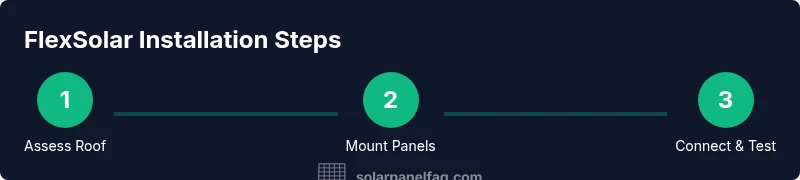
- 1
Assess roof suitability
Evaluate roof type, tilt, orientation, shading, and structural capacity. Confirm space for flexsolar panels and ensure there are no obstructions that would cause excessive shading. This step informs panel count, layout, and mounting approach.
Tip: Document dimensions and confirm insulation and underlayment integrity before proceeding. - 2
Choose panel type and mounting method
Select the flexsolar formulation that matches your roof and climate. Decide between bonding-only or mixed mounting based on roof material, wind loads, and manufacturer guidance.
Tip: Check bend radius and warranty terms to avoid compromising performance. - 3
Prepare mounting surface
Clean the roof area, remove debris, and repair any damage. Ensure a dry, smooth surface for bonding and marking the exact panel positions.
Tip: Mask edges to avoid chafing panels during installation. - 4
Mount panels and route wiring
Apply adhesive/bonding strips per manufacturer instructions and mount panels flush. Route cables toward the inverter location, keeping lines tidy and protected from the elements.
Tip: Avoid sharp bends in cables and secure with cable clips to prevent movement. - 5
Connect to inverter and storage (if any)
Connect panel strings to the appropriate inverter inputs and integrate with battery storage if this is a hybrid system. Verify correct polarity and tighten all fasteners to spec.
Tip: Use a multimeter to confirm expected voltages before energizing the system. - 6
Seal, test, and seal again
Seal all joints with weatherproof sealant and perform a functional test of output under sun. Check for leaks around edges or penetrations and re-seal if needed.
Tip: Record test results and store warranty information with installation notes. - 7
Inspect and schedule maintenance
Create a routine for periodic inspections and cleaning. Set reminders for seasonal checks and battery health monitoring if storage is used.
Tip: Keep a log of performance metrics and maintenance activities.
Frequently Asked Questions
What is flexsolar and how does it work?
Flexsolar refers to thin, bendable solar panels designed to conform to non-flat surfaces. They generate electricity like traditional PV modules but use flexible substrates and adhesives for curved or complex roof geometries.
Flexsolar is a thin, bendable solar panel that works like other PV modules but can fit curved or uneven roofs. It uses a flexible backing and adhesives to conform to your roof and produce electricity.
Can flexsolar panels be installed on curved roofs?
Yes, many flexsolar options are designed for curved or irregular surfaces. Proper surface preparation, correct bend radius, and reliable bonding are essential to ensure a durable seal and good electrical connection.
Yes, they can, but you need proper preparation and bonding to ensure a long-lasting, watertight installation.
Are flexsolar panels as efficient as rigid panels?
Flexsolar efficiency can be competitive with rigid panels, but some formulations exhibit slightly lower peak efficiency. Real-world performance depends on the specific product, temperature, and shading conditions.
They can be very efficient, but it depends on the exact product and conditions like temperature and shade.
What maintenance do flexsolar systems require?
Regular cleaning, inspection of seals and edges, and periodic electrical checks keep flexsolar performing well. Watch for edge deterioration and moisture intrusion, and re-seal as needed.
Keep them clean and check seals regularly, especially at edges and joints.
Do flexsolar systems qualify for solar incentives?
Incentives vary by region and program. Check local guidelines and consult Solar Panel FAQ’s analysis for updates in 2026, since availability can depend on policy changes.
Incentives depend on your region; check local programs and guidance for the latest.
Watch Video
Top Takeaways
- Assess roof suitability before choosing flexsolar.
- Choose panels and mounting methods that fit your roof geometry.
- Plan wiring and storage early for a smoother install.
- Seal thoroughly and maintain regularly for longevity.
- Evaluate long-term value beyond upfront costs.