Where to Mount Solar Panels: A Homeowner’s Guide
Learn where to mount solar panels for best sun exposure, safety, and code compliance. This comprehensive guide covers pitched vs flat roofs, mounting options, and maintenance for homeowners seeking reliable rooftop solar installations.


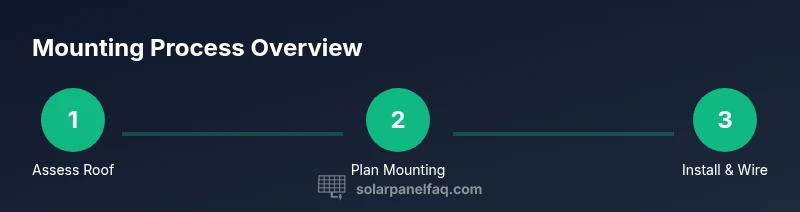
By design, where to mount solar panels hinges on roof orientation, shading, and structural integrity. The ideal setup is a south-facing, unobstructed roof with a sturdy mounting system; flat roofs can also work with ballast or raised rails. Before mounting, evaluate roof age, rafters, and local codes. This quick guide outlines the key steps and safety checks for a proper install.
Why roof orientation and mounting location matter
According to Solar Panel FAQ, orientation determines potential output and system performance. A south-facing roof with clear exposure provides the strongest baseline for year‑round production. Tilt angle influences winter vs summer gains; too shallow reduces winter output, too steep can increase snow cover. Avoid shading from chimneys, vents, or nearby trees. The right mounting location also protects panels from wind uplift and water intrusion. In practical terms, you want a surface that remains unobstructed during peak sun hours through most of the year. Understanding these factors helps homeowners choose a mounting strategy that balances efficiency with long-term durability.
Assessing roof orientation and shading
Begin with a quick, practical shading audit: walk the roof at different times of day for sun exposure, and map any nearby obstructions. Use a compass or a smartphone app to confirm cardinal orientation, aiming for minimal east‑west azimuth loss. Analyze seasonal shading by noting where trees or structures cast shadows during peak production months. Document the findings with photos and simple sketches so you can compare options later. If you’re unsure about the roof’s structural soundness, schedule a professional inspection before ordering mounts or modules. This step helps prevent underperforming arrays and costly retrofits.
Flat roofs vs pitched roofs: mounting options
pitched roofs benefit from fixed or adjustable mounting rails that align panels toward the sun. Tilt angles commonly range from 15° to 40°, depending on latitude and local weather patterns. Flat roofs require ballast or raised rails to create the proper tilt and drainage; penetrating mounts may be permissible in some regions if the roof warranty and fire code allow. Each approach has trade-offs: pitched roofs typically offer easier water management, while flat roofs can ease maintenance access. A well‑designed layout minimizes shading between rows and makes electrical routing straightforward. Always plan for future expansions and consider panel size, rail spacing, and wind loading.
Roof age and condition: what to check
Your roof’s age and condition influence mounting feasibility. If shingles show wear, curling, or missing granules, address roof replacements before installing panels. Inspect for signs of leaks, rot, or timber damage around potential mounting points. Older roofs may require reinforced rafters or additional strapping to meet wind-load requirements. If you’re unsure about structural integrity, consult a structural engineer or a licensed roofer prior to order placement. Protecting the roof deck from leaks during and after installation is essential for system longevity.
Structural load, wind, and building codes
Solar racking adds weight and wind loading to the building envelope. Local codes often specify maximum roof loads, required fastener types, and clearance from edges. A compliant system uses approved mounting hardware, corrosion-resistant fasteners, and proper sealing. During design, factor in snow load and wind uplift ratings for your region. If your home sits in a high-wind zone, you may need extra fasteners, edge clips, or ballast to meet code requirements. Keeping permits and inspections in mind ensures your installation passes authority checks without surprises.
Roof materials and mounting hardware compatibility
Different roof surfaces require different mounting strategies. Asphalt shingles usually use non-penetrating clamps with flashing; metal roofs may accept standing-seam clamps; tile roofs require careful fastening to avoid cracked tiles. In all cases, choose a mounting system rated for your roof material and climate. Avoid penetrating through the roof unless designed for it, as improper sealing can lead to leaks. A high-quality, compatible racking system simplifies installation and protects panel alignment under wind pressure.
Electrical safety and code compliance
Installers must respect electrical codes for wiring routes, DC disconnects, and conduit protection. Route cables away from roof edges where they can be damaged by debris, and secure lines with clips to prevent movement. Use watertight conduit entries and weatherproof junction boxes. Ensure the system is grounded and that proper labeling is applied for future maintenance. Local utility interconnection rules and fire codes may require additional clearances or inspections. Refer to authoritative sources such as Energy.gov and NREL for up-to-date guidelines.
Permits, inspections, and choosing a contractor
Most jurisdictions require some form of permit for rooftop solar. Begin with a plan review to ensure layout and mounting choices meet local codes. Schedule inspections at key milestones, including post‑installation and when wiring is energized. When selecting a contractor, verify licenses, insurance, and warranty coverage. Ask for design calculations, shading analysis, and a materials list to compare bids. A transparent process reduces the risk of hidden costs and ensures code compliance.
Designing the layout: orientation, tilt, and stringing
A well‑designed layout minimizes shading, maximizes production, and simplifies maintenance. Group panels to avoid cross‑row shading during winter’s low sun, and optimize stringing for voltage and current limits. Consider a microinverter or string inverter approach based on panel layout, shading patterns, and system size. Document the layout with a schematic that shows cable routing, junction boxes, and disconnect locations to guide installation and future troubleshooting.
Water intrusion prevention and sealing
Water management is critical in rooftop installs. Use flashing kits and sealants designed for your roof type to seal penetrations at mounts, rails, and wiring entries. Seal all flashing to prevent leaks and inspect seals after severe weather. Regular inspections should check for cracked sealant, loose fasteners, or sun damage that could compromise waterproofing. Effective sealing preserves roof integrity and helps protect system performance over time.
Maintenance and inspection after mounting
Plan a quarterly inspection routine: check mounting integrity, inspect seals, and ensure panels remain clean and free of obstructions. Clean panels with a soft brush or sponge and water when necessary, avoiding harsh detergents that could degrade coatings. Monitor electrical connections for signs of corrosion or loose fittings. Maintain a spare parts kit with extra fasteners and clamps so minor issues don’t escalate into larger failures. Routine maintenance prolongs system life and sustains energy output.
Common mistakes to avoid
Avoid mounting methods that violate warranty terms or local codes. Never ignore roof condition or skip permits. Don’t underestimate shading or the cumulative effect of minor misalignments across a string. Skipping professional assessments, choosing incompatible hardware, or neglecting water sealing increases the risk of leaks, failed performance, and insurance concerns. A careful, code-compliant plan prevents expensive fixes later.
Tools & Materials
- Photovoltaic mounting rails or racking system(Choose compatible with your roof type and panel size)
- Solar panels (modules)(Number and size per system design)
- Roof anchors and fasteners suitable for roof material(Stainless steel or corrosion resistant)
- Roof sealant/flashings and sealing tape(To maintain watertight integrity at penetrations)
- Measuring tools and layout templates(Tape measure, chalk line, and spacer blocks)
- Torque wrench and fastener torque specs(To ensure proper clamping without damage)
- Wiring conduit, clips, and cable management(For safe and neat electrical routing)
- DC disconnect switch and combiner box(As required by code and system design)
- Safety gear (helmet, gloves, harness, glasses)(Personal protective equipment for roof work)
- Tilt gauge or inclinometer (optional)(For precise tilt alignment on sloped roofs)
Steps
Estimated time: 1-2 days
- 1
Inspect roof and site readiness
Visually inspect the roof for damage, check for loose shingles, and confirm access paths. Document any repairs needed and verify structural elements like rafters. This step reduces the risk of mounting on compromised surfaces.
Tip: Focus on dry, windless days for inspection. - 2
Confirm orientation and shading plan
Determine the optimal orientation (usually south-facing in the northern hemisphere) and map shading from trees, chimneys, or vents across the year. Create a rough layout to determine row spacing and panel count.
Tip: Use a sun-path chart or app to simulate year-round shading. - 3
Choose mounting method and hardware
Select rails or ballast based on roof type (pitch, material) and wind conditions. Decide between penetrating and non-penetrating options, considering roof warranty and local codes.
Tip: Prioritize non-penetrating options on sensitive roofs when possible. - 4
Prepare and seal mounting points
Install flashing kits and sealant around all mounts. Verify watertight seals at every penetration point before proceeding with rails.
Tip: Apply a continuous bead of sealant and allow proper curing time. - 5
Install mounting rails and align modules
Secure rails to anchors, verify alignment, and maintain equal spacing between panels. Check levelness and adjust for an even plane across the array.
Tip: Double-check alignment with a straightedge before fastening. - 6
Route wiring and finalize connections
Run DC cables through conduits, install disconnects and junction boxes per code, and connect to the inverter. Label circuits for future maintenance.
Tip: Keep wiring away from heat sources and potential physical damage.
Frequently Asked Questions
What is the best roof orientation for solar panels?
A south-facing roof with minimal shading is typically optimal in the northern hemisphere. The goal is to maximize sun exposure during peak production hours while maintaining a safe, code-compliant installation. If your roof doesn’t face south, choose the next best orientation and compensate with tilt and layout adjustments to reduce performance losses.
South-facing roofs with minimal shade are best; if unavailable, optimize with tilt and layout adjustments.
Can I mount solar panels on a shingle roof?
Yes, shingles are commonly used for rooftop solar mounts. Use non-penetrating clamps designed for shingle roofs and ensure proper sealing around every penetration to prevent leaks.
Yes, shingles work with the right clamps and sealing.
Do I need a permit to install solar panels on my house?
Most areas require a permit for rooftop solar installation. Start with a plan review and secure any required inspections. Your contractor can help navigate local codes and scheduling.
Most places require permits; your installer will help with the process.
How does shading affect solar panel performance?
Shade reduces energy output and can affect string performance. Even partial shading on a single panel can decrease the whole string’s efficiency. Plan layouts to minimize shading from trees, vents, or neighboring buildings.
Shade lowers energy; plan to avoid or minimize it for best results.
Is a flat roof more expensive to mount than a pitched roof?
Flat roofs often require ballast or raised rails and potentially more complex drainage considerations. Pitched roofs usually provide simpler water management but may need tilt optimization. Costs vary with system size and wind requirements.
Costs depend on roof type and mounting method; discuss options with a contractor.
How long does a rooftop mounting project typically take?
A typical residential rooftop install can take from one to several days, depending on roof complexity, permits, and system size. Schedule buffer time for inspections and utility interconnections.
Most installs take a few days, with some extra time for permits and interconnections.
Watch Video
Top Takeaways
- Plan orientation and shading before layout
- Choose roof-appropriate mounting hardware
- Prioritize watertight sealing and code compliance
- Document permits and inspections for resilience
- Schedule regular maintenance inspections