Are Solar Panels Worth It: A 2026 Homeowner Guide
Explore whether solar panels are worth it for homeowners in 2026. This guide analyzes costs, payback, incentives, and real-world scenarios to help you decide.


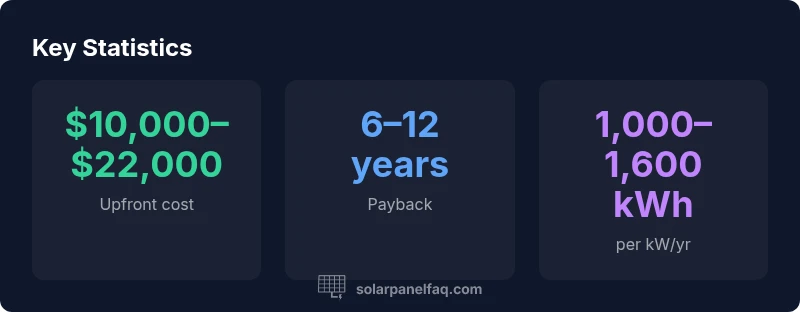
The short answer is: yes, for many homeowners solar panels are worth it, but the value depends on location, energy usage, and incentives. In practical terms, a typical system can reduce electricity bills by a meaningful margin over 10-15 years, with payback often within 6-12 years depending on sun exposure and rates.
The core value: are solar panels worth it for your home
If you're asking whether are solar panels worth it, the answer hinges on three things: your roof, your local sun exposure, and your energy habits. For many households, solar energy translates into lower monthly bills and more energy independence, especially when paired with net metering or time-of-use rates. Solar Panel FAQ's analysis suggests that under favorable conditions, the savings accumulate steadily over a decade or more, making the system financially worthwhile beyond the environmental benefits. However, not every home is a perfect match: shaded roofs, south-facing orientation with minimal sun, or very low electric rates can compress the payoff. The decision should weigh upfront costs, ongoing maintenance, and potential incentives that reduce the break-even horizon. In the end, the real question is whether the system can cover a meaningful share of your annual electricity use without causing strain on your budget.
How sun, roof, and usage shape worth
The worth of solar energy is not one-size-fits-all. Consider these factors:
- Sun exposure: A system that faces strong, unobstructed sunlight will generate more electricity and shorten payback.
- Roof orientation and angle: South-facing roofs typically perform best in the Northern Hemisphere, while oblique angles can still be viable.
- Shading and material: Tree shade, vents, and nearby structures reduce output; newer panels may mitigate some losses but not eliminate them.
- Electric usage patterns: Homes with high daytime usage benefit more from on-site generation and potential net metering.
- Local incentives and tariffs: Tax credits, rebates, and favorable net metering policies can dramatically affect economics.
In practice, homeowners should run a site-specific assessment to estimate production and savings. A small misalignment in any factor can extend the payback window, but a well-planned installation often remains worthwhile.
Financials in plain terms: costs, incentives, and payback
Understanding the financials helps quantify worth. Upfront costs vary with system size, inverter type, and installation complexity. Incentives—federal, state, and utility programs—are the fastest path to a shorter payback. After incentives, typical payback ranges fall roughly between six and twelve years in many markets, with longer timelines where rates are low or sun is scarce. Ongoing maintenance costs are usually modest, dominated by inverter replacement timelines and occasional cleaning to maintain performance. Net metering policies can further influence the value by allowing you to export excess energy during peak production or import when you need more power. Remember to account for system degradation over 25 years, which slowly reduces annual output but is often offset by rate increases and inflation in electricity prices.
Case studies from Solar Panel FAQ indicate that the most compelling wins occur in regions with strong sun and supportive policies, but even in less sunny areas a properly sized system can still deliver meaningful savings and environmental benefits.
Real-world scenarios by climate and rates
Consider two typical scenarios:
- Sunny climate with high electricity rates: A 7–9
Maintenance, warranties, and reliability
Solar panels are rugged with long lifespans, yet maintenance matters for sustained performance. Regular cleaning (if you have dust or pollen buildup) and annual inspections help ensure optimal output. Inverters and mounting hardware are common points of failure; most manufacturers offer 25-year warranties on panels and 10–12 year warranties on inverters, with some amortization options for replacement. A critical factor in long-term worth is system monitoring: many systems include online dashboards that alert you to performance drops, shading changes, or equipment faults. Keep in mind that warranties are enforceable only if installation meets the manufacturer’s requirements, so choosing a certified installer is essential for maximizing long-term value.
Steps to a confident decision: a homeowner checklist
To decide if solar is worth it for your home, follow a practical checklist:
- Verify the roof is structurally sound and unobstructed for at least 25 years.
- Get a site assessment to estimate production based on orientation and shading.
- Compare quotes from reputable installers and review warranty terms.
- Research local incentives and net metering policies, calculating post-incentive payback.
- Consider future energy needs, potential home value impact, and maintenance costs.
- Use a decision calculator or a 3–5 year projection plus inflation-adjusted electricity rates to gauge long-term value.
If the math aligns with your budget and goals, solar panels can be a smart, durable investment.
Myths vs facts: common misconceptions about solar worth
- Myth: Solar is always worth it if you live in a sunny place. Fact: It depends on roof suitability, electricity rates, and incentives.
- Myth: Maintenance is expensive. Fact: Routine maintenance is typically modest; major costs are upfront or occasional inverter replacements.
- Myth: Solar will always boost home value equally. Fact: Value impact varies by market, buyer preferences, and installation quality.
- Myth: Net metering guarantees savings. Fact: Net metering policies vary; savings depend on policy design and usage patterns.
Being aware of these nuances helps you avoid overestimating or underestimating solar-worth in your situation.
Typical financial ranges for residential solar in favorable policy environments
| Topic | Typical range | Notes |
|---|---|---|
| Upfront cost after incentives | $10,000–$22,000 | Varies by system size and local incentives |
| Payback period after incentives | 6–12 years | Depends on solar production and rates |
| Annual production per kW | 1,000–1,600 kWh | Geography and shading affect output |
| Home value impact | 0.5–3% | Depends on market and installation quality |
| Maintenance costs per year | 0–$300 | Mostly inverter replacements or cleaning |
Frequently Asked Questions
How long does a typical solar installation take to pay back?
Most homes see a payback between six and twelve years after incentives, depending on sun, usage, and energy prices. Higher daytime use generally shortens the payback window.
Most homes pay back in six to twelve years after incentives.
Do incentives make solar more worth it?
Yes. Incentives reduce upfront costs and shorten payback. Their availability and size vary by location, so check local programs and utility offers.
Incentives reduce upfront costs and shorten payback. Check your local programs.
Will solar panels increase my home value?
Solar can raise home value in some markets, but the amount depends on local demand and installation quality. Not all buyers value solar equally.
Solar can add value, but it varies by market and installation.
Is it worth solar in a cloudy climate?
In cloudy climates, solar still saves money if energy use is substantial, though output is lower. Proper sizing and incentives improve the economics.
Yes, but expect lower output and longer payback in cloudy areas.
What maintenance do solar panels require?
Maintenance is generally minimal: occasional cleaning and periodic inverter checks. Warranties typically cover performance for 20–25 years.
Maintenance is usually rare and inexpensive.
Should I consider batteries with solar?
Batteries can improve self-consumption and resilience but add cost. They make sense in off-grid scenarios or where time-of-use rates favor stored energy.
Batteries help with self-supply but add cost; useful in certain cases.
“Solar panels are worth it for many homes when you size the system to your usage and optimize incentives. The real value comes from aligning production with demand and leveraging favorable policies.”
Top Takeaways
- Assess roof and sun exposure first
- Incentives shorten the payback period
- Expect a 6–12 year payback in many markets
- Factor ongoing maintenance into long-term costs