How to Turn Off Solar Panels Before a Cyclone
A comprehensive, step-by-step guide for homeowners on safely shutting down solar panels before a cyclone, covering grid-tied and off-grid setups, safety precautions, and post-storm re-energization.


Goal: Safely shut down a home solar system before a cyclone to minimize electrical hazards and wind damage. This guide covers the key steps, safety precautions, and when to call a professional. It applies to most grid-tied and off-grid setups, but always consult your inverter and racking manufacturer manuals first.
Why turning off solar panels before a cyclone matters
Preparing for a cyclone means reducing risks to your home and your solar energy system. Turning off solar panels before a storm helps limit electrical hazards, prevents wind-driven damage from loose wiring, and minimizes the chance of backfeed into the grid when power is disrupted. According to Solar Panel FAQ, a proactive shutdown is part of responsible storm readiness and can simplify post-storm inspections. Homeowners who follow a clear shutdown plan tend to have fewer surprises when the weather clears, and they reduce the risk of injuries from energized equipment. Always start by consulting the manuals for your inverter, racking, and DC isolators. Even similar-looking components can have different procedures. If you are unsure, contact a licensed electrician or your installer before storm shutters close in. This guidance applies to both grid-tied and off-grid configurations, and it emphasizes planning, safety, and documentation as foundations of a successful shutdown.
Understand your system: grid-tied vs off-grid shutdown differences
Grid-tied solar systems are connected to the utility grid and typically require you to isolate the PV array at the DC side and disconnect from the grid at the AC service panel. Off-grid systems rely on battery banks and inverters that can have additional disconnects and controllers. The shutdown approach varies: grid-tied systems focus on DC isolators and an AC disconnect, while off-grid systems must also consider battery safety, charge controllers, and battery bank isolation. Read your manuals to identify the exact sequence for your equipment. If you cannot locate a labeled PV DC isolator or an AC PV disconnect, do not proceed without professional help. Knowing which configuration you have helps ensure you shut down the correct components and avoid backfeeding or arc hazards.
Pre-storm preparation checklist
Before a cyclone arrives, perform a thorough pre-storm check. Gather PPE (gloves, eye protection, non-slip footwear), ensure you have a non-conductive flashlight, and confirm you can access the main AC disconnect and DC isolators safely. Photograph or video the as-installed layout for reference, and confirm access routes in case the usual pathways are blocked by debris or flooding. Keep a handwritten or digital map of the shutdown points, including labels for each disconnect. Review inverter manuals and the racking system’s documentation to locate all required switches. If you have battery storage, note the safest way to isolate the battery bank from the inverter. Finally, share your cyclone plan with a household member so someone can assist if needed.
Safety considerations and common hazards
Electrical work during storm season carries real hazards. Do not attempt shutdowns in wet conditions or if water is near electrical components. Wear non-conductive gloves and eye protection, and keep metal tools away from exposed conductors. Never touch DC cables when the PV array is exposed to direct sunlight, and avoid climbing on roofs during high winds. If you smell burning insulation or hear crackling, evacuate and call emergency services. Ensure children and pets are kept away from the workspace. Always verify the user manuals for your specific inverters, DC disconnects, and safety interlocks before attempting any shutdown.
The shutdown sequence at a glance
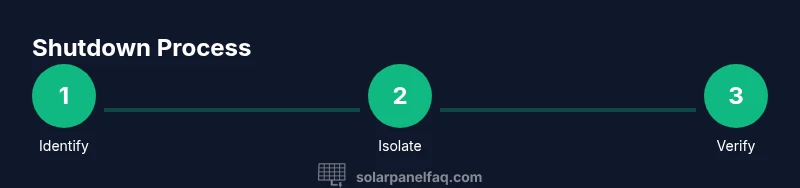
A well-planned shutdown typically follows a sequence that minimizes risk: confirm you can access all required switches, switch off the DC isolators at the PV array or combiner box, shut off the main AC disconnect, verify inverter shutdown indicators, and finally lock out switches to prevent re-energization by accident. Document each action with photos or notes. Remember that some systems will require battery or controller isolation in addition to PV array and AC disconnects. The exact order may vary by model, so always consult the manuals first and proceed only if you feel confident and safe.
Documentation and communication: who to contact
Record every step you take and keep a copy of manuals on hand. If you share access with a contractor or installer, provide them with a copy of your shutdown map and your cyclone plan. Notify your utility company if you anticipate prolonged outages or if you observe any hazards around the system. Keeping a log helps with post-storm inspections and re-energization, and it supports warranty and maintenance records. For ambiguous situations, contact your installer or a licensed electrician for guidance.
After the cyclone: re-energizing safely
Once the danger has passed and conditions are safe, follow a staged re-energization process. Inspect for flood damage, corrosion, or loose connections before re-energizing any part of the system. Reconnect DC isolators, then restore the AC disconnect, and finally verify operation with monitoring equipment. Do not rush re-energization if any component shows signs of damage or if floodwaters have contaminated electronics. If in doubt, have a professional inspect the system before returning to service.
Common mistakes to avoid
Common errors include starting the shutdown without verifying access to all disconnects, failing to lock out switches, forgetting to document actions, and attempting re-energization after damage or in wet conditions. Avoid relying on memory alone; use a labeled checklist and keep it updated. Do not disconnect equipment while standing in water or on a wet surface. If you cannot safely complete the shutdown, pause and seek professional assistance.
Tools & Materials
- Main electrical disconnect (AC PV disconnect)(Labelled and accessible from a safe location; verify location in service panel or exterior disconnect.)
- PV DC isolator / DC disconnect(Locate at the array or combiner box; may be a switch or breaker.)
- Insulated gloves(Prefer Class 2 or higher; ensure intact insulation.)
- Non-conductive footwear(Slip-resistant footwear to reduce fall risk.)
- Safety goggles or face shield(Protect eyes from arc flashes or debris.)
- Lockout/tagout kit(Enable secure de-energization and prevent accidental re-energization.)
- Insulated tools (pliers, screwdriver)(Tools rated for electrical work; avoid metal jewelry.)
- Flashlight (waterproof)(Use to inspect panels if lighting is poor; avoid shining directly at panels.)
- Phone or two-way radio(For emergency coordination and assistance if needed.)
Steps
Estimated time: 30-60 minutes
- 1
Prepare and assess environment
Survey the area for hazards, ensure you have PPE, and confirm you can access all required disconnects safely. If you identify water, damaged wiring, or unstable surfaces, pause and seek professional help.
Tip: Take a photo of the setup before starting to guide the re-energization later. - 2
Shut off the DC isolator
Locate the PV DC disconnect at the array or combiner box and switch it to the off position. This prevents direct current from the panels from flowing into the system and reduces shock risk.
Tip: If the DC disconnect is hard to reach, do not stretch or climb; wait for assistance. - 3
Isolate the system with the AC disconnect
Turn off the main AC PV disconnect at the service panel or exterior location. This stops grid connection and power flow into the home. Confirm the indicator lights show the system is de-energized.
Tip: Use lockout/tagout before touching the switch to prevent accidental re-energization. - 4
Verify inverter status
Check the inverter display or monitoring app to confirm a complete shutdown. Some inverters require a specific sequence to reset after a disconnect.
Tip: If you see fault codes, consult the manual or call your installer for guidance. - 5
Secure the area and label components
Use tags to label disconnected components and keep others away from the switches. Ensure children and pets are not near the work area.
Tip: Take a final walk-around to ensure all access points are clear and safe. - 6
Document and prepare for re-energization
Record each action taken and store manuals and photos for post-storm checks. When conditions allow, plan a controlled re-energization following the exact reverse sequence.
Tip: Keep a reusable re-energization checklist ready for after the cyclone.
Frequently Asked Questions
Do I need a licensed electrician to shut down solar panels before a cyclone?
If you are unsure about shutoffs or the DC isolators, contact a licensed electrician. Always consult your inverter and manufacturer manuals before proceeding.
If you're unsure about shutting off the system, call a licensed electrician and check the manuals first.
What’s the difference between grid-tied and off-grid shutdown steps?
Grid-tied systems focus on the AC disconnect and DC isolators, while off-grid setups require battery bank and controller considerations in addition to isolating PV arrays.
Grid-tied shutdowns use the AC disconnect and DC isolators; off-grid setups add battery and controller steps.
Can I re-energize immediately after the cyclone passes?
No. Wait for safety checks, utility guidance, and manufacturer recommendations before re-energizing.
No—wait for safety checks and guidance before re-energizing.
What equipment do I need to turn off solar panels safely?
You will need the main AC disconnect, DC isolator, PPE, and a lockout/tagout kit. Ensure all items are in good condition.
Main AC disconnect, DC isolator, PPE, and lockout/tagout gear are essential.
What if there is standing water near the system?
Do not work if water is present. Evacuate the area and seek professional help to protect people and equipment.
Avoid working around water—get professional help if water is near the equipment.
Where can I find the correct shutdown procedure for my system?
Refer to the inverter, racking, and solar array manuals. If missing, contact the installer for the official procedure.
Check the manuals for your specific equipment or contact the installer for guidance.
Watch Video
Top Takeaways
- Plan ahead with manuals and tool kits.
- Identify all AC and DC shutdown points before storm.
- Verify shutoff status and secure the area.
- Document the process for post-storm re-energizing.