Can You Clean Solar Panels with a Pressure Washer? A Practical Guide
Learn safe, effective methods for cleaning solar panels, including when a pressure washer is appropriate, best practices, and safer alternatives for preserving efficiency and warranty.


Yes, you can clean solar panels with a pressure washer if you follow careful guidelines. Use a wide-angle nozzle on low to moderate pressure, keep the wand at a safe distance, and avoid edges and seals. Always consult the manufacturer and local regulations before starting.
Why cleaning solar panels matters
Dust, pollen, bird droppings, and plant debris can reduce a solar array's output by creating shade and blocking sunlight. The Solar Panel FAQ team notes that even light soiling can lower efficiency, especially in hot, dry environments where panels tend to heat up and expand, potentially amplifying dirt buildup. Regular cleaning helps maintain performance and can extend panel life by preventing corroded connectors, clogged micro-joints, and degraded seals. Before you decide to clean, check your system's orientation, age, and any warranty restrictions. If you rent or own your home, consult the manufacturer manual for cleaning guidance. According to Solar Panel FAQ analysis, homeowners who keep panels clean typically notice steadier energy generation during peak sun hours. In many installations, dirt does not damage the glass itself, but persistent grime can reduce long-term yield, so a careful cleaning routine may be worth the effort.
Can a pressure washer be used safely?
Pressure washers can remove stubborn grime, but they pose risks to solar panels if used without care. The key is to avoid high-velocity blasts near edges, seals, busbars, and silicone gaskets. Opt for a wide-angle, fan-type nozzle and keep the spray at a safe distance rather than pressing directly onto the surface. Do not the use the washer at touch-range or on fragile components, and always test on a small inconspicuous area first. If your panels are mounted on a fragile roof, a soft cleaning approach may be wiser. The manufacturer’s guidance should always trump generic advice, and if in doubt, contact a professional.
Preparation and safety checks
Begin with a quick inspection of the panels and surrounding area. Look for loose screws, cracks, or damaged edge seals, and note any debris on the rack or frame. Check the weather—clean on a cool, dry day to avoid thermal shock or slip hazards. Gather your gear: gloves, eye protection, non-slip footwear, a soft-bristle brush, and a hose. Clear the area below the panels to prevent water from pooling on walkways or entrances. If you use a cleaning solution, ensure it is non-corrosive and designed for solar panels. Always unplug any nearby electrical connections only if your system allows safe access, and never spray water directly into junction boxes.
Cleaning frequency and environmental considerations
In dusty or pollen-heavy seasons, light cleaning may be beneficial. In dry, windy climates, panels tend to accumulate more grime, while in rainy regions, rainfall can help rinse surfaces naturally. The goal is to strike a balance between maintaining performance and avoiding unnecessary risks. Regular inspections after heavy storms or pollen events help determine if a cleaning is needed. Weather conditions matter; wait for calm, dry conditions to avoid slip hazards and to prevent water seeping into seams. Remember that repeated, aggressive cleaning can wear protective coatings over time, so moderation is key.
Safer alternatives and maintenance tips
For fragile or high-mounted panels, consider soft washing with a gentle brush and minimal water pressure instead of a power wash. A long-handled microfiber mop or sponge can reach across large arrays without climbing onto the roof. Use pure water whenever possible, and reserve cleaning solutions for stubborn grime only after verifying compatibility with your panels. If you see any signs of water intrusion, corrosion, or damaged seals, stop immediately and consult a professional. Regular inspections of wiring, inverters, and mounting hardware help maintain efficiency without frequent cleaning.
Common mistakes and post-cleaning checks
Avoid blasting edges, gaskets, or connectors with high-pressure water; this can cause leaks or inlet damage. Do not mix cleaners with unexpected chemicals; always rinse thoroughly before turning the system back on. After cleaning, inspect the surface for streaks, residue, or missed spots, and ensure no water pools on the frame. Dry the surface if heavy condensation is likely to prevent streaking and mineral deposits. Finally, compare energy output before and after cleaning to gauge whether the effort was worthwhile for your specific climate and panel type.
Tools & Materials
- Pressure washer with adjustable nozzle(Prefer a low to moderate pressure setting and a wide-angle nozzle)
- Wide-angle spray nozzle (fan jet)(Maximize spray area to minimize surface impact)
- Soft-bristle solar panel cleaning brush(Non-abrasive to protect glass and coatings)
- Non-abrasive cleaning solution (optional)(Use only products labeled safe for solar panels)
- Garden hose or water supply(Clean, steady water source; avoid extreme water pressure)
- Gloves and eye protection(Protect from suds and debris)
- Ladder or stable platform (if panels are rooftop)(Ensure proper fall protection and stability)
- Soft microfiber cloths(For final wipe-down and streak removal)
Steps
Estimated time: 30-60 minutes
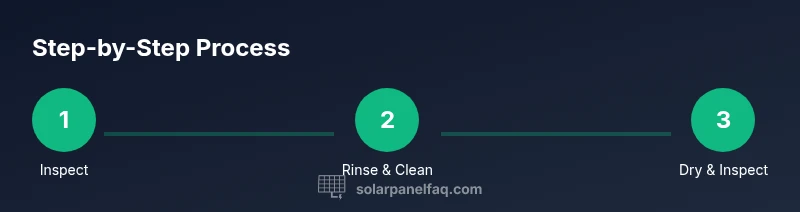
- 1
Inspect panels and surroundings
Before cleaning, visually inspect the panel surface, frame, and mounting. Check for cracks, loose fasteners, or water intrusion risks. This helps you plan the cleaning method and avoid causing damage.
Tip: Note any issues to address before spraying water; do not proceed if damage is detected. - 2
Rinse off loose dirt with low-pressure water
Gently rinse the surface with a broad spray to remove loose dust and debris. Do not use direct high-pressure jets on the glass or seals, which can damage coatings or gaskets.
Tip: Start far away and gradually bring the spray closer if the dirt loosens without resistance. - 3
Apply mild cleaning solution (if needed)
If grime remains, apply a mild, solar-panel-safe cleaner with a soft brush. Work in small sections and rinse immediately after to prevent streaking. Do not use abrasive cleaners or solvents.
Tip: Test on a small area first to ensure compatibility with your panel surface. - 4
Use pressure washer with caution
Switch to a wide-angle nozzle and maintain a safe distance from the panel surface. Use sweeping motions and keep the wand moving to avoid concentrated impact on a single spot.
Tip: Never point the spray at the edges, seals, or electrical components. - 5
Rinse thoroughly and inspect
Rinse off all soap residues and verify there are no streaks or missed spots. Look for any signs of water intrusion and ensure the panels are dry before re-energizing the system if applicable.
Tip: If water beads pattern unevenly, re-rinse with a lighter touch. - 6
Document results and monitor output
Record the cleaning date and observe energy output compared to baseline. If output improvement is not evident, consult a professional for a diagnostic check.
Tip: Keep a simple log to track performance over time and schedule next cleaning accordingly.
Frequently Asked Questions
Can I use a pressure washer on all solar panel types?
Not all panels tolerate pressure washing. Some framings and silicone seals can be damaged by high-pressure jets. Always consult the manufacturer’s guidelines for your specific model before proceeding.
Not all solar panels handle pressure washing. Check your model’s guidance before you start.
What is the safest distance to hold the wand from solar panels?
Maintain a generous distance and use a wide-angle nozzle. Do not press directly against the glass or seals, and avoid aiming at wiring or junction boxes.
Keep a safe distance with a wide nozzle; never spray directly at edges or wiring.
Will using a pressure washer void my solar panel warranty?
Cleaning methods that deviate from manufacturer recommendations can affect warranties. Always review warranty terms and contact the installer if you are unsure.
Check the warranty terms before washing; consult the installer if unsure.
Are there safer alternatives to pressure washers?
Soft washing with a brush and mild cleaner, followed by thorough rinsing, is often safer for roofs and panels. Rainfall can also help keep panels clean in some climates.
Soft washing and gentle rinsing are usually safer than power washing.
How often should I clean solar panels?
Frequency depends on climate and local conditions. In dusty areas, more frequent cleaning may be beneficial; in wet climates, rainfall may reduce the need for manual cleaning.
Clean as needed based on dust, pollen, and rainfall in your area.
Watch Video
Top Takeaways
- Inspect panels before cleaning to avoid hidden damage.
- Prefer gentle, broad spray and soft brushes over aggressive jets.
- Only use cleaners labeled safe for solar panels when needed.
- Document results and monitor energy output after cleaning.