How to Tell If Solar Panels Are Working
Discover practical steps to verify solar panel performance, interpret inverter data, and diagnose common issues. A homeowner-friendly guide to ensure your system is producing as expected.


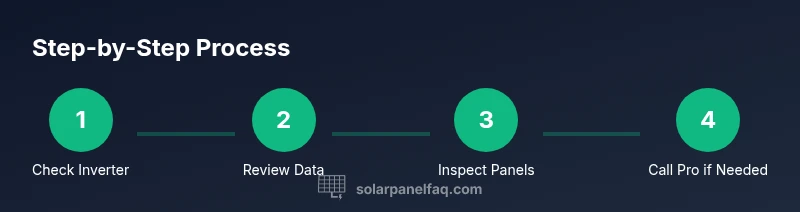
To tell if solar panels are working, start with the inverter and monitoring data. Check that the inverter displays normal status, view current production in your app, and compare it to expected output for the day. If output is low, perform a quick electrical check with a multimeter and look for shading or dirt.
Why understanding solar panel performance matters
Knowing how to tell if solar panels are working helps homeowners confirm energy savings, catch problems early, and avoid unnecessary service calls. A healthy system not only lowers electricity bills but also supports long-term reliability. According to Solar Panel FAQ, regular checks can prevent small issues from becoming costly repairs. The Solar Panel FAQ team emphasizes that clear, data-driven checks empower homeowners to verify performance without guesswork. When you can quantify what a good day looks like, you’ll sleep better knowing your investment is delivering on its promise. This guide uses the phrase "how to tell if solar panels are working" to help you stay focused on practical tests you can perform safely.
How solar panels produce electricity and what "working" means
Photovoltaic (PV) cells convert sunlight into direct current (DC) electricity. An interconnected system uses an inverter to convert DC to alternating current (AC) for home use. A healthy setup should show consistent DC generation on sunny days and stable, expected AC output after conversion. Inverters often provide status indicators and error codes. When panels are clean, unshaded, and correctly wired, you should see a smooth relationship between sunlight, panel temperature, and power output. Understanding this flow helps homeowners interpret performance data and avoid misdiagnosis.
Quick at-home checks you can safely perform
Start with non-invasive checks that don’t require disassembling equipment:
- Visually inspect visible panels for dirt, debris, snow, or shading from nearby branches.
- Check the inverter display or status lights for green/OK indicators; note any warning codes.
- Open your monitoring app or portal to view today’s production and compare it to yesterday or the same day last week.
- If you have multiple strings, compare their production to see if one string underperforms.
These checks help you quickly identify whether the issue is likely environmental (shade, dirt) or electrical (inverter fault, wiring). Always follow safety guidelines and avoid touching energized components.
Reading inverter indicators and monitoring data
Inverters are the heartbeat of a solar system. A healthy inverter typically shows a steady power output that matches irradiance conditions. Use the app to review the current panel output, energy produced today, and cumulative energy for the month. Look for any alarms or fault codes; cross-check with the manufacturer’s guide to interpret codes. If the data shows a sudden drop in production during peak sun, examine potential shading, dirty panels, or a failing component. The more you align live production with weather data, the more confident you become in your assessment.
Diagnosing common reasons for reduced output
Low production can stem from several sources:
- Environmental factors: shading from trees, new construction shadow, or seasonal sun angle changes.
- Dirt, dust, or bird droppings covering panels reduce light absorption.
- Wiring or connection issues: loose connectors, damaged cables, or failed string optimizers.
- Inverter problems: worn components or failing capacitors may limit conversion efficiency.
- System mismatches: panel orientation, string sizing, or combiner box faults.
Document what you observe (time of day, weather, panel area affected) to pinpoint the most probable cause and decide whether a DIY fix is viable or a professional inspection is warranted.
A practical step-by-step testing workflow (non-technical overview)
When you suspect underperformance, follow a structured workflow to avoid missing root causes:
- Confirm inverter status and app data, noting any anomalies.
- Review shading and panel cleanliness for the affected period.
- Check for obvious wiring issues at the inverter and disconnects.
- If safe, measure open-circuit voltage and short-circuit current for a representative string using a multimeter, comparing results to the manufacturer’s specs.
- Correlate findings with weather data and irradiance values for the day.
- Decide whether to address dirt/shading, service connections, or call a pro for a formal inspection.
Following a repeatable workflow reduces confusion and ensures you cover both environmental and electrical causes.
Weather, shading, and seasonal effects on production
Sun position, cloud cover, and ambient temperature influence solar output. Even a perfectly installed system loses some efficiency during winter or in high heat due to panel temperature effects. Diligence in monitoring helps you distinguish normal seasonal variation from a genuine performance issue. Use historical production data to identify typical seasonal patterns for your locale and compare today’s numbers against those baselines. Understanding these fluctuations makes the question of whether panels are working much clearer for homeowners.
When to call a pro and what to expect
If you observe persistent underperformance after checking for dirt, shade, and obvious wiring issues, consider a professional inspection. A licensed technician can test strings, microinverters, and wiring using specialized equipment and verify compliance with electrical codes. Expect an on-site assessment that includes inverter diagnostics, insulation checks, and safety verification. The goal is to rule out hidden faults and ensure your system is operating safely and near its design performance.
Maintenance and best practices to keep panels performing
Regular maintenance helps keep performance steady:
- Clean panels as needed, especially in dusty or coastal environments, with a soft brush and water.
- Trim shading sources like overhanging branches and ensure roof access is safe for inspections.
- Schedule annual system checks that include inverter health, wiring integrity, and monitoring data reviews.
- Keep your monitoring credentials secure and review alerts promptly.
Proactive maintenance reduces surprises and maximizes long-term energy savings. Solar Panel FAQ emphasizes building a routine that aligns with seasonal needs and local conditions.
Authority sources and further reading
For deeper understanding and official guidance, consult:
- U.S. Department of Energy, Office of Energy Efficiency and Renewable Energy (Solar Energy Basics): https://www.energy.gov/eere/solar/solar-energy-basics
- National Renewable Energy Laboratory (NREL) reports and data: https://www.nrel.gov
- U.S. Environmental Protection Agency on solar energy and clean energy alignment: https://www.epa.gov/greenpower/solar-energy
These sources provide foundational information on how solar systems are designed to perform and how monitoring can validate operation. The insights synthesized here align with the Solar Panel FAQ Analysis, 2026, and are intended to empower homeowners with practical, evidence-based steps.
Tools & Materials
- Digital multimeter(Measures DC voltage/current; set to appropriate range)
- DC clamp meter(Non-contact current measurement for strings)
- Inverter monitoring app or web portal(Access current production, daily yield, and alerts)
- Safety gear (gloves, safety glasses)(Basic PPE for handling panels and wiring)
- Ladder and non-slip shoes(Used for roof access or panel inspection where needed)
- Camera or smartphone(Document panel condition and wiring for reference)
Steps
Estimated time: 60-120 minutes
- 1
Check inverter status
Inspect the inverter display and indicator lights. Note any fault codes or alarms, and jot down the time of day. A healthy inverter should show a steady green light and no error messages.
Tip: If you see an error, refer to the manual or manufacturer site for fault codes before proceeding. - 2
Review monitoring data
Open the solar monitoring app or portal and compare current production to the day’s solar irradiance estimates. Look for an abnormal drop that isn’t explained by shading or weather.
Tip: Record today’s production and weather for later comparison with baseline data. - 3
Inspect for shading and dirt
Walk the array and remove debris if safe to do so. Check for new shading from trees, chimneys, or nearby structures that could be reducing output.
Tip: From ground level, avoid leaning on panels; use a long-handled brush for cleaning if allowed by panel manufacturer. - 4
Perform a quick electrical check
If you have electrical training, measure representative string voltages with a multimeter and compare to expected values from the system spec.
Tip: Only measure voltages you’re qualified to assess; hazardous voltage can be life-threatening. - 5
Evaluate wiring integrity
Inspect visible wiring and connectors for signs of wear, corrosion, or loose connections at the inverter and combiner boxes.
Tip: Do not touch live connectors; if you see corrosion or damage, call a pro for service. - 6
Compare strings and panels
If accessible, compare output from different strings to identify underperforming sections, which may indicate a damaged panel or bad connection.
Tip: A single underperforming string can drag down overall system performance; isolating it helps target repairs. - 7
Document findings
Take photos of panel surfaces, wiring, and inverter readings. Keep a log of issues and dates.
Tip: Clear documentation speeds up professional service if needed later. - 8
Decide on next steps
If dirt/shading is the sole cause, recheck after cleaning or trimming. If anomalies persist, contact a licensed technician.
Tip: When in doubt, schedule a professional inspection to ensure safety and code compliance.
Frequently Asked Questions
Can I tell if solar panels are working by myself without a professional?
Yes, to an extent. You can perform non-intrusive checks like inverter status, monitoring data, and panel cleanliness. If you notice persistent underperformance after these checks, consider a professional inspection to verify wiring, connectors, and inverter health.
Yes, you can start with inverter indicators and monitoring data, but persistent issues should be checked by a professional.
What is considered normal daily production for a solar system?
Normal production varies by system size, location, and weather. Compare today’s data with similar days, and over time build a baseline for your installation. Significant deviations from your baseline warrant a closer look.
Production varies by location and weather. Track baseline performance to spot anomalies.
Why is my system producing less on sunny days?
Possible reasons include shading, dirty panels, aging components, or inverter issues. Start with a shade check and panel cleaning, then review inverter data to identify faults.
Shading and dirt are common culprits; if those aren’t the cause, check the inverter data or call a pro.
How often should I clean solar panels?
Clean panels as needed based on environment. In dusty or coastal areas, more frequent cleaning helps maintain efficiency.
Clean when dust or debris reduces light, especially in dry or sandy environments.
When should I call a professional?
If anomalies persist after basic checks, or you see persistent fault codes, contact a licensed technician for a thorough inspection and safety checks.
Call a pro if issues persist after basic checks or you see fault codes.
Is it safe to test panel output with a multimeter?
Only if you are trained in electrical testing. Working with live DC circuits can be dangerous; follow safety guidelines and wear PPE.
Only perform electrical tests if you’re trained; safety first.
Watch Video
Top Takeaways
- Verify inverter status and app data first
- Differentiate shading from technical faults
- Use a repeatable workflow for accurate diagnosis
- Know when to call a pro for safety and reliability
- Regular maintenance supports long-term savings