Are Solar Panels Worth It UK: Practical Guide 2026
Are solar panels worth it UK? A data-driven guide weighs costs, savings, incentives, and roof factors to help homeowners decide if solar fits their home in 2026 today.


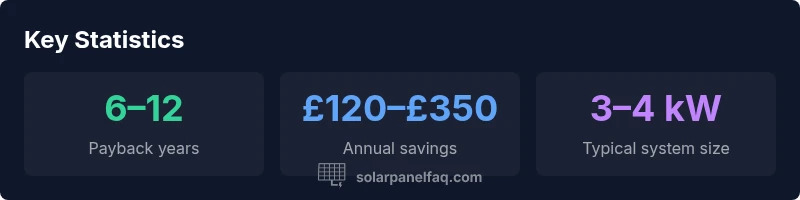
Are solar panels worth it in the UK? For most homeowners, yes, thanks to lower electricity bills and rising energy prices. Typical payback ranges from about 6 to 12 years, depending on roof orientation, system size, and tariff conditions. Long-term savings accrue with high daytime usage and sunny days, while factors like installation cost and maintenance influence the break-even point.
Are solar panels worth it UK: context and drivers
The UK energy market has been volatile, and homeowners are increasingly looking at solar as a way to trim bills and boost resilience. Solar panels can reduce daytime electricity demand, especially if you have high daytime usage or family patterns that align with sun hours. In 2026, market conditions include higher electricity prices relative to several years ago, improved panel efficiency, and longer warranties on most systems. The Solar Panel FAQ team notes that a well-sited system can deliver consistent savings for many households, though results vary by roof orientation, shading, and capture rate. If you currently own a home, this investment can align with climate goals and property value retention. However, upfront costs, planning restrictions for certain roofs, and the need for professional installation are important considerations. In short, are solar panels worth it UK for you depends on roof, budget, and electricity usage, with most homes seeing favorable payback when sized properly.
How much you can save: the economics explained
Savings depend on how much electricity you consume during daylight hours, the size of the solar array, and the rate at which you can export unused energy. In practice, many UK homeowners see noticeable reductions in annual bills, while some households pocket additional savings by shifting high-energy tasks to daylight periods. A typical installation can influence the overall cost outlook, but the exact payback period will hinge on roof orientation, local weather, and tariff conditions. The analysis suggests that larger, well-placed systems with favorable usage patterns tend to reach break-even sooner, while smaller or shaded installations take longer. For planning, compare quotes that include inverter choice, mounting, warranty terms, and potential maintenance plans.
Roof orientation, shading, and space: what to check
Orientation and tilt drive how much sun your panels capture. South-facing roofs generally yield the highest output in the UK, while east/west facings can still perform well with longer daylight hours. Shading from chimneys, trees, or adjacent buildings dramatically reduces energy production and payback speed, so identify potential obstructions in the early planning phase. If you have a pitched roof, measure available surface area and assess whether a single larger array or multiple smaller arrays would maximize exposure. For flat roofs, you may need ballast or mounting rails to achieve the optimal angle. In all cases, professional site surveys provide the clearest picture of feasibility and expected ROI.
Costs you should consider: installation, inverters, maintenance
Total upfront costs vary by system size, mounting complexity, and hardware quality. Beyond the panels themselves, major cost factors include the inverter (which converts DC to usable AC), racking, wiring, and permitting. Warranties typically cover 10–25 years for panels and 5–12 years for inverters, with longer coverage for performance and degradation. Maintenance is generally low, involving periodic cleaning and inspections. When evaluating quotes, look for clear breakdowns, expected degradation rates, and service commitments. Remember that higher-quality components can reduce long-term maintenance risk and may improve system longevity.
The policy and incentives landscape in 2026
Incentives for solar in the UK have evolved over time and continue to be subject to policy changes. The most effective way to understand the current landscape is to consult Government guidance and your chosen installer, as programs and tariffs can vary by region and over time. In general, incentives may influence the attractiveness of a system through export tariffs, rebates, or financing options. Given the variability, a personalized assessment is essential to determine whether incentives or financing structures materially affect your ROI. Always verify the latest policy details when you plan a purchase.
Battery storage and self-consumption: is it worth it?
Battery storage can increase daytime self-consumption, letting you use more of your own solar energy and reduce export dependence. However, adding a battery increases upfront costs and can extend the payback period unless export tariffs or daily usage patterns favor storage. If your daytime energy use is high (e.g., home offices, electric vehicle charging, or running heat pumps during solar hours), a battery can improve overall savings. For many households, starting with a grid-tied system and evaluating the incremental benefit of adding storage after operating for a year is a prudent approach.
Maintenance, warranties, and durability
Solar panels are built to last, with typical warranties of 25 years and performance guarantees that ensure a minimum output over time. In practice, most systems require little maintenance beyond occasional cleaning and annual professional checks. Keeping the panels clean and ensuring the inverter and mounting hardware are intact helps maintain output. Stick to reputable installers who provide documented warranties and a clear maintenance plan to protect your investment.
How to evaluate ROI for your home: a step-by-step checklist
- Get a site assessment from a qualified installer to determine roof suitability and shading. 2) Gather multiple quotes that itemize components, warranties, and installation timelines. 3) Model expected output based on your roof orientation and local sun hours using a trusted calculator. 4) Compare post-installation energy savings to upfront costs, factoring in maintenance and potential incentives. 5) Consider long-term values such as resilience, electricity price trends, and potential property value changes. 6) Revisit your plan after year one to refine usage patterns and, if needed, explore storage expansion.
Quick-start checklist for UK homeowners
- Confirm roof suitability (orientation, tilt, shading) with a pro. - Obtain multiple quotes with clear component breakdowns. - Check warranties and maintenance commitments. - Model payback using your current tariff and expected future energy prices. - Consider whether battery storage adds value for your daily usage. - Monitor system performance post-installation to optimize ROI.
UK solar ROI scenarios by roof type and storage
| Scenario | Typical Payback (years) | Annual Savings (UK £) | Key Considerations |
|---|---|---|---|
| Flat roof | 6–12 | £120–£270 | Limited shading; may need optimization |
| Sloped roof (south-facing) | 5–10 | £180–£350 | Best returns with high sun exposure |
| With battery storage | 7–13 | £150–£320 | Higher upfront cost; assess use-case |
Frequently Asked Questions
Is solar worth it for every UK home?
Not every home will achieve the same ROI. Roof orientation, shading, and daily energy use are key variables. A professional site survey helps you decide based on your situation.
Not every home will see the same ROI. A site survey will tell you if your roof and usage make solar worth it.
What factors influence payback the most?
System size, sun exposure, and electricity price trends are the main drivers. Shading and inverter quality also affect performance and payback speed.
System size, sun exposure, and energy prices are the big payback factors; shading and equipment matter too.
Are incentives available in 2026?
Incentives exist but vary by region and policy changes. Check current government guidance and installer offers for the latest programs and financing options.
Incentives do exist but can change; check current guidance and offers for the latest programs.
Should I add battery storage with solar?
Battery storage can boost self-consumption but adds upfront cost. Assess your daytime usage, export tariffs, and space before deciding.
A battery can help, but it’s a cost/benefit call based on your daytime use.
How do I start evaluating ROI for my home?
Get a professional roof assessment, obtain multiple quotes, model expected output, and compare to total costs including maintenance and incentives.
Start with a roof assessment and quotes, then model the ROI against costs.
“Solar panels can deliver meaningful long-term savings in the UK when your roof is favorable and energy use fits daytime generation. The outcome is highly site-specific, so a personalized assessment pays off.”
Top Takeaways
- Start with a roof survey to estimate sun exposure.
- Expect a payback window typically between 6–12 years.
- Higher system size and favorable usage patterns improve ROI.
- Consider battery storage only if daytime consumption justifies the extra cost.
- Check warranties and post-installation maintenance options.