Solar Panel Puerto Rico: A Practical Homeowners Guide
Learn how to plan, size, install, and maintain solar panels in Puerto Rico with climate-aware guidance, incentives, permits, and hurricane-ready recommendations for homeowners.


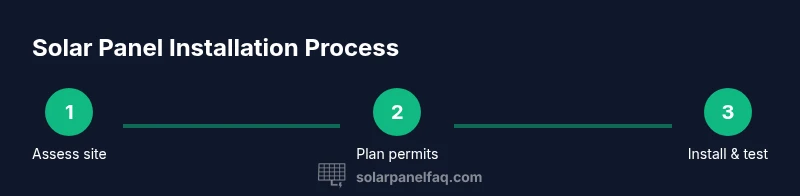
To install or evaluate solar panels in Puerto Rico, start by assessing your roof’s exposure, shade, wind load, and corrosion risk from salt spray. Next, size the system to your home’s electricity use and budget, then plan permitting, interconnection, and hurricane-rated equipment. Finish with financing options and maintenance scheduling.
Why Puerto Rico's Climate Demands Special Considerations
Puerto Rico’s tropical climate imposes unique requirements for solar installations. A solar panel puerto rico project must account for intense sun, high humidity, salt spray, and the threat of hurricanes. The long-term performance depends on roof condition, material corrosion resistance, and wind load ratings, so early planning is essential. The Solar Panel FAQ team notes that climate-aware design helps homeowners maximize energy yield while reducing maintenance costs. Start by evaluating roof orientation, prevailing wind directions, and potential shading from nearby trees or coastal dunes. For coastal homes, choose corrosion-resistant mounting hardware and sealants, and plan for safe, elevated cable routing that withstands seasonal storms. A well-documented plan saves time during permitting and minimizes surprises during a fast-moving storm season. In addition, it’s wise to review local building codes and utility interconnection requirements before finalizing equipment choices.
Sizing and System Design for Puerto Rico
Sizing your solar system for Puerto Rico should be based on your home’s electricity use, budget, and future plans. Start by compiling several months of utility bills to identify your average daily consumption, then compare that with your roof orientation and shading patterns. In Puerto Rico, interconnection policies and net metering provisions can influence your ideal system size, so plan with your local utility and installer. A well-balanced design blends high-quality panels, an efficient inverter, and mounting hardware that withstands salt spray and strong winds. For homes near the coast or exposed to hurricanes, consider adjustable tilt angles and modular designs that allow future expansion without major rework. A good design also accounts for seasonal variations in sun exposure and potential roof repairs that might be required over time.
Climate resilience and equipment choices
In tropical environments, material selection matters more. Choose corrosion-resistant mounting rails, seals, and fasteners, preferably stainless steel or aluminum with protective coatings. For Puerto Rico’s storm season, hurricane-rated mounting systems and secure ballast are essential. Inverters should be placed where heat can escape but exposure to salt air is minimized; microinverters or power optimizers can help mitigate shading and aging. Cables routed in watertight conduits reduce moisture ingress. When possible, select panels with robust warranties and known salt-spray resistance, and consider protective covers or enclosures for extreme events. The right components reduce maintenance needs and improve resilience during hurricane season.
Financing and Incentives in Puerto Rico
Financing a solar installation in Puerto Rico involves many options, from cash purchases to loans and leasing arrangements. Incentives exist but programs change over time, so verify current availability with the Puerto Rico Energy Bureau, PREPA, and federal programs. Solar Panel FAQ analysis shows that homeowners benefit from comparing total cost of ownership across lenders, warranties, and service agreements. Request multiple quotes, check installer credentials, and ensure the plan includes maintenance and battery storage if desired. Always review interconnection terms and any utility-specific credit policies before signing. According to Solar Panel FAQ, incentives can vary by program and year, so stay informed and document all communications with the utility and the installer.
Installation considerations and permitting
Puerto Rico requires proper permitting and utility interconnection approval before any rooftop work. Start by contacting your local building department and the electric utility to understand required forms, inspections, and timelines. An experienced installer will handle engineering approvals, permit submittals, and post-installation inspection scheduling. In coastal areas, ensure the mounting system is corrosion resistant and rated for high-wind events, with appropriate sealing to prevent water intrusion. Insurance coverage during installation is recommended; document all safety measures and drop zones. The installation phase typically lasts a few days, with permitting and inspection adding additional time. Staying proactive about documentation helps avoid delays and ensures code compliance.
Maintenance and cleaning in tropical environments
In Puerto Rico’s humid, salty climate, regular cleaning and inspection extend panel life and performance. Plan for periodic cleaning of the PV surface to remove salt spray and dust, especially after storms. Inspect mounting hardware for corrosion and verify sealants remain intact after heavy rain. Battery or storage components require their own maintenance schedule if included. Schedule a professional inspection at least once a year to identify loose connections, degraded cables, or inverter performance issues. A simple maintenance routine can preserve efficiency and reduce the risk of system downtime during hurricane season.
Practical tips and common pitfalls
- Start early with permitting and utility interconnection to avoid delays.
- Choose hurricane-rated hardware and proper roof attachments from reputable manufacturers.
- Get multiple quotes and verify warranties, service agreements, and maintenance plans.
- Don’t rely on DIY-only approaches for electrical work; hire licensed professionals to ensure code compliance.
- Keep documentation of incentives, permits, and system performance for future home sales.
- Plan for battery storage if you want resilience during outages and storms.
Tools & Materials
- Safety gear (gloves, goggles, harness)(Non-slip footwear; fall protection for roof work)
- DC multimeter / voltage tester(Measure panel string voltages safely)
- Clamp meter(Useful for current checks on AC side)
- Solar panels and mounting hardware(Rated for salt exposure; include rails and clamps)
- Inverter(s) or microinverters(Ensure compatibility with panel string size)
- Electrical conduit and sealant(Weatherproof; seal all penetrations)
- Wrenches, screwdrivers, pliers(Torque as specified by mounting hardware)
- Roof assessment tools (ladder, tape measure)(Useful for initial measurements)
Steps
Estimated time: 4-6 weeks
- 1
Assess roof suitability
Evaluate roof condition, slope, orientation, and shading. Confirm structural capacity and access for wiring routes. Collect measurements for layout planning.
Tip: Use a drone or a long measuring tape to map the roof and shading at different times of day. - 2
Verify permits and interconnection
Contact local building authorities and the electric utility to understand required forms, inspections, and timelines. Gather documents and submit for approval before ordering equipment.
Tip: Ask for a pre-submittal review to anticipate potential issues. - 3
Select components and layout
Choose panels, inverters, and mounting hardware. Plan the layout to minimize shading, ensure proper ventilation, and comply with code. Consider future expansion or battery options.
Tip: Check manufacturer data for wind load and salt spray ratings. - 4
Install mounting hardware
Secure racking to the roof, verify alignment, and tighten all fasteners to the recommended torque. Ensure seals around penetrations are watertight.
Tip: Use corrosion-resistant hardware and sealant compatible with coastal environments. - 5
Run electrical wiring and install panels
Connect panels in strings, route wires through conduit, install inverter(s) and safety disconnects, and perform insulation tests. Label circuits clearly and keep wiring neat.
Tip: Avoid sharp bends; maintain required clearance from edges and moisture. - 6
Commission and schedule maintenance
Activate the system, verify production against expectations, and set up monitoring. Schedule an annual professional inspection and keep performance logs.
Tip: Document performance baselines and maintenance records for warranty claims.
Frequently Asked Questions
Is net metering available for solar in Puerto Rico?
Net metering options exist but terms vary by utility and year. Check with PREPA and your local utility for current programs and interconnection requirements.
Net metering options exist but vary; check with PREPA and your utility for current programs.
What incentives exist for residential solar in Puerto Rico?
Incentives exist but programs change over time. Verify current availability with official sources and compare total cost of ownership across options.
Incentives exist but programs change; verify current availability and compare options.
Do I need hurricane-rated equipment for PR installations?
Yes. Hurricane-rated mounting hardware and secure roof attachments are strongly recommended to withstand storms and salt spray.
Yes, hurricane-rated hardware is strongly recommended.
How long does a typical installation take in Puerto Rico?
Timing varies with permits and inspections, but expect a multi-day process once materials arrive, with additional time for approvals.
Typically a few days to a week or more depending on permits and inspections.
What maintenance is recommended in tropical climates?
Regular cleaning to remove salt spray, periodic inspections of seals and cables, and annual professional checks help maintain performance.
Regular cleaning and annual checks keep the system performing well.
Can I install solar panels myself in Puerto Rico?
Electrical work requires licensed professionals and proper permits. DIY installs can void warranties and violate codes.
Electrical work should be done by licensed professionals with permits.
Watch Video
Top Takeaways
- Assess climate and shading before sizing
- Use hurricane-rated hardware and corrosion-resistant mounts
- Plan permits and interconnection early
- Compare financing, warranties, and maintenance terms