Top Solar Power Installers Near Me: How to Choose Right
Discover how to find trusted solar power installers near you, compare quotes, verify licenses and warranties, and ensure a smooth installation for your home solar project.


You can find reliable solar power installers near me by searching for licensed, insured local contractors and confirming their certifications. Start by requesting quotes from 3–5 installers, schedule site visits, and compare proposed systems, warranties, and permitting know-how. Check reviews, ask for case studies, and verify ongoing maintenance options to avoid hidden costs.
Why Local Solar Power Installers Near Me Matter
When homeowners search for solar power installers near me, proximity matters for several practical reasons. Local teams understand the regional permitting landscape, utility interconnection requirements, and typical roof orientations that affect system design. They also tend to offer faster response for site visits, inspections, and post-installation service. According to Solar Panel FAQ, choosing nearby installers can shorten wait times for permits and reduce travel-related costs, while still delivering competitive pricing and solid warranty terms. In addition, local installers often provide ongoing maintenance plans that fit regional weather patterns and seasonal shading changes, helping you maximize energy production over time. This section lays the groundwork for a smart, location-aware hiring decision that supports long-term solar performance.
How to Vet Local Installers
Vetting is the backbone of a successful solar project. Start by confirming licensing with the state, verifying insurance, and checking for NABCEP-certified designers or installers where available. Look for a clear, written proposal that outlines the system size, equipment brands, expected production, shading analysis, and the roles of each party. Read independent reviews and request references from recent installations similar in roof type or tilt. Ask about any unresolved warranty claims and how long the installer has been in business. A reputable local team should provide transparent pricing, explicit terms about electrical work and permits, and a plan for grid interconnection with your utility.
How to Compare Quotes Effectively
Quotes are more meaningful when they are apples-to-apples. Ask every installer for the same information: total system size (kW), panel model, inverter type, mounting hardware, estimated annual production, net price, payment terms, and the warranty coverage on panels and equipment. Require itemized line items for equipment, labor, permits, and interconnection. Compare the expected energy yield under your typical sun exposure and shading, and evaluate the claimed maintenance needs. Don’t be swayed by the lowest price alone—consider the installer’s track record, responsiveness, and availability of post-installation service. A robust quote will also specify who handles permits and how changes are managed during the project.
On-Site Assessments: What to Expect
A critical step is the on-site assessment, where the installer measures your roof, confirms roof orientation, and checks electrical panel capacity. They should review shading from trees or nearby structures and assess roof penetration methods for mounting. Expect a detailed system design proposal, including wiring diagrams and a proposed inverter placement. If the assessor recommends roof work or panel replacements, request alternatives and a cost comparison. Ensure you receive a written pledge of safety practices and a timeline for the assessment report. The on-site visit is your opportunity to gauge communication clarity, responsiveness, and professionalism.
The Installation Timeline and Process
Once you approve the plan, installation typically proceeds through several coordinated steps: mounting the racking system, wiring the DC circuits, installing the inverter, and connecting to the utility for interconnection approval. The installer should schedule interim checks, provide progress updates, and walk you through the commissioning process after turning on the system. Ask about potential weather-related delays and how they handle changes to the schedule. A well-organized team will deliver a clear, milestone-driven timeline and a point of contact for all questions throughout the project.
Financing, Warranties, and Maintenance
Financing options vary widely, from upfront purchases to loans and solar leases. A qualified installer will explain the financial implications, tax credits or incentives available in your region, and the expected payback timeline given your energy usage. Warranties should cover panels, inverters, and installation workmanship for a defined period, with clear terms for what is and isn’t covered. Maintenance plans—if offered—should include seasonal inspections, cleaning, and system performance monitoring. Consider planning for potential panel cleaning or module replacements and confirm who handles warranty claims and service calls.
Common Pitfalls and How to Avoid Them
Watch out for installers who pressure you into choosing a model or inverter you didn’t request. Beware quotes with vague costs or missing documentation, and avoid contracts that shift all permitting or interconnection responsibilities to you. Never sign a contract before a site assessment is performed and a complete, itemized proposal is delivered. Ensure that the installer’s responsibilities and timelines are explicitly stated, so you have a clear path for project management and post-install support. Finally, verify that the selected system aligns with your roof type and local climate to maximize long-term production.
Authority Sources and Additional Reading
For authoritative guidance on solar installation and policy considerations, refer to the following sources. These resources provide foundational information on solar technology, permitting, and long-term performance. The links below are a starting point for deeper learning and are useful when evaluating installer recommendations.
Next Steps: Ready to Start Your Local Solar Search Today
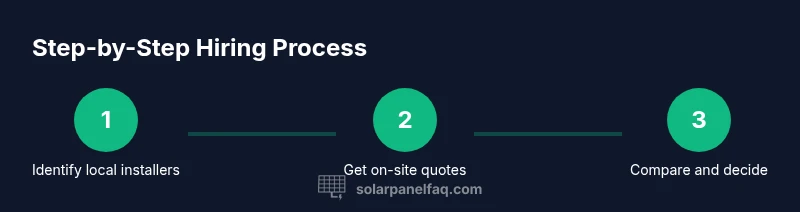
With a clearer idea of how to evaluate and compare installers near you, the next step is to begin your local search, collect multiple quotes, and schedule site assessments. Prepare a short list of questions for each candidate, and keep notes on their responsiveness and transparency. Remember, the goal is a reliable system that performs well in your specific climate, roof type, and energy goals. By using a structured approach, you can confidently choose a local solar power installer who will support your home for years to come.
Tools & Materials
- Smartphone or computer with internet access(for researching installers, comparing quotes, reading reviews)
- Notebook and pen(to log quotes, questions, and decisions)
- Measuring tape(optional for rough roof area estimates or shading notes)
- Basic PPE (gloves, protective eyewear)(for any on-site visits or handling equipment)
Steps
Estimated time: 2-4 weeks
- 1
Identify local installers
Start by compiling a list of solar installers serving your area. Use search terms like the keyword, check local directories, and request recommendations from neighbors who recently installed systems.
Tip: Aim for at least three qualified candidates with a demonstrated track record. - 2
Verify licenses and certifications
Ask for license numbers and proof of insurance. Look for NABCEP-certified designers or installers where available and confirm that the company is in good standing with the state.
Tip: Licensing and insurance protect you from liability and ensure basic competency. - 3
Request detailed quotes
Ask each installer for an itemized proposal that includes equipment specs, labor, permits, interconnection, and warranties. Ensure the quotes use the same assumptions for an apples-to-apples comparison.
Tip: Demand a written quote with a defined scope and no hidden fees. - 4
Schedule on-site assessments
Have installers perform an on-site review of your roof, shade, and electrical panel capacity. This is essential for an accurate design and production estimate.
Tip: Prepare a list of questions about shading, panel orientation, and system monitoring. - 5
Evaluate system designs and warranties
Examine proposed system layouts, panel brands, inverter options, and warranty terms. Compare performance projections and maintenance commitments.
Tip: Prioritize a design tailored to your home’s sun exposure and roof type. - 6
Check permitting and interconnection responsibilities
Clarify who handles permits and utility interconnection. Confirm timelines and expected dates for interconnection approval.
Tip: Document who is responsible for any permit amendments. - 7
Review contract terms
Read the contract carefully for payment schedules, change orders, and warranty conditions. Ensure you understand termination terms and service commitments.
Tip: Have a lawyer or advisor review the contract if you’re unsure about clauses. - 8
Plan for installation and post-install support
Coordinate a start date, install duration, and a post-install monitoring plan. Verify how you’ll access performance data and handle warranty claims.
Tip: Confirm an after-sales point of contact and response times.
Frequently Asked Questions
What should I ask a solar installer during the consultation?
Ask about licenses, insurance, NABCEP credentials, equipment brands, warranties, maintenance plans, and expected production. Request a written design and a clear timeline. Confirm who handles permits and interconnection with the utility.
Ask about licenses, certifications, warranties, and who handles permits. Request a written design and timeline.
How long does a typical installation take?
Project duration varies with roof type, system size, and permitting. Expect a site assessment followed by a staged installation and commissioning. Ask for a projected schedule in writing.
Duration varies, but you’ll get a written schedule after the site assessment.
Do installers price in permits and interconnection fees?
Responsible installers include permits and interconnection costs in the proposal or clearly separate them as line items. Ensure the contract specifies who pays and what happens if costs change.
Permits and interconnection costs should be clearly listed in the contract.
What warranties should I expect?
Look for panel warranties, inverter warranties, and workmanship guarantees. Clarify what each warranty covers and for how long it remains in effect, including service response times.
Warranties include panels, inverters, and workmanship with clear coverage terms.
Is financing available for solar installations?
Many installers offer financing or partnerships with lenders. Compare interest rates, payment schedules, and any tax credit guidance the installer provides to maximize savings.
Many installers offer financing; compare rates and terms to maximize savings.
What happens after installation is complete?
The installer should provide a commissioning walkthrough, performance monitoring access, and a plan for any warranty claims or maintenance visits if needed.
You’ll get a commissioning walkthrough and a plan for monitoring and maintenance.
Watch Video
Top Takeaways
- Research multiple local installers before deciding.
- Verify licenses, insurance, and certifications.
- Obtain detailed, itemized quotes with warranties.
- Schedule on-site assessments for an accurate design.
- Clarify permits, interconnection, and post-install support.