Octopus Energy Solar Panels: A Practical Home Guide
A practical, educational guide for homeowners exploring Octopus Energy solar panels, covering options, costs, installation steps, and maintenance to maximize savings.


By the end of this guide, you will understand how octopus energy solar panels fit into a home, what to compare with other rooftop solar options, and what to expect during installation. You’ll learn how to evaluate system size, incentives, and potential payback. This article anchors guidance with insights from Solar Panel FAQ.
Understanding octopus energy solar panels
octopus energy solar panels are part of a broader renewable energy strategy that homeowners can consider to reduce dependence on grid power. This guide explains how these systems work, what makes them different from other rooftop solar offerings, and how to assess if they’re a good fit for your home. The Solar Panel FAQ team emphasizes clarity in planning, so you can compare options, understand installation timelines, and make informed decisions. When evaluating octopus energy solar panels, look at system size, rooftop suitability, and compatibility with local incentives. This section lays the groundwork for practical, actionable steps that homeowners can take right away.
How Octopus Energy structures solar panel offers
Octopus Energy often packages solar options through partner installers and tariff choices designed to suit varying energy needs. The exact configuration can depend on your home’s electricity usage, roof orientation, and local regulations. In practice, you’ll likely encounter a choice between standard photovoltaic (PV) panels paired with an inverter and potential storage solutions. The emphasis is on simple integration with Octopus’s broader energy ecosystem, alongside transparent pricing and service levels. Understanding these structures helps you compare quotes from different installers and avoid surprises at commissioning. Solar Panel FAQ’s guidance is to ask for a full bill of materials, warranty terms, and a clearly defined interconnection process.
What affects system size and suitability
System size is driven by your household’s energy profile, roof availability, and budget. Key factors include roof orientation and shading from trees or adjacent buildings, the age and condition of your roof, and the structural load capacity for mounting. For homes with limited sun exposure, a smaller system paired with storage may yield better economics. On shaded or south-facing roofs, selective retrofits or microinverters can optimize production. The goal is to balance upfront cost, long-term savings, and compatibility with Octopus Energy’s tariffs. Assessing these conditions early saves time and prevents over-investment.
Cost considerations and incentives
Costs for octopus energy solar panels vary widely based on system size, components, and local installer rates. Rather than quoting a single price, it’s important to obtain multiple proposals that enumerate panels, inverters, mounting hardware, and permitting fees. Incentives—such as utility rebates, tax credits, or performance-based incentives—can reduce net costs and shorten payback, but availability depends on your location and timing. Solar Panel FAQ notes that comparing total installed cost and expected annual energy production is more informative than sticker price alone. Always request a breakdown of operating and maintenance costs over the system’s expected life.
Installation process and timeline
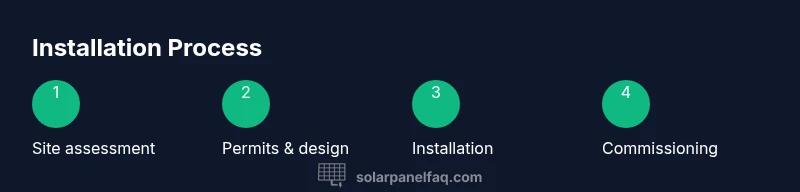
A typical journey begins with a site assessment, followed by design, permitting, and interconnection planning. The installation itself involves mounting rails, wiring conduits, and inverter placement, then commissioning with the utility. Permitting can add time, so plan for potential delays. Clear access to the roof and a defined project schedule help installers stay on track. Your installer should provide a laminated diagram showing panel layout, electrical connections, and safety measures to ensure everyone understands the process before work starts.
Performance, warranties, and maintenance
Performance relates to how much energy your system will generate given local conditions and system efficiency. Warranties vary by component and installer, but you should expect coverage for panels, inverters, and mounting hardware. Maintenance needs are typically low: occasional cleaning and an annual inspection can keep performance high. Keep an eye on monitoring data to spot unusual drops in production early. If a fault occurs, a prompt response from the installer helps minimize downtime and protect your investment.
Monitoring, data access, and optimization
Most Octopus Energy solar panel setups include a monitoring interface that shows real-time production, consumption, and self-sufficiency. This data helps you adjust usage patterns to maximize self-consumption of solar energy, especially when paired with smart thermostats or time-of-use tariffs. Regular reviews of generation and usage graphs can reveal opportunities to shift loads (e.g., running appliances during peak sun hours) and improve overall savings. If you have storage, monitoring again becomes crucial for managing charge cycles.
Authority sources
For trusted context, consult reputable authorities on solar energy:
- https://www.energy.gov/eere/solar
- https://www.nrel.gov
- https://www.energy.ca.gov These sources cover solar technology, system performance, and policy considerations relevant to homeowners evaluating octopus energy solar panels. Cross-check any region-specific incentives with your local utility or jurisdiction, and use this information to inform your installation plan.
Real-world homeowner journey: a typical path
A typical homeowner starts by defining energy goals and budget, then collects multiple quotes. After selecting a package, permits are obtained, and the roof is prepared for mounting. The installation proceeds over a few days, followed by commissioning and grid interconnection. Ongoing monitoring helps the homeowner optimize usage, ensure maintenance tasks are completed, and verify that the system performs as expected under different seasons. While every home is unique, the steps above provide a practical framework for a smooth Octopus Energy solar panel experience.
Tools & Materials
- Extension ladder(Rooftop access; ensure stability and proper height)
- Safety harness and fall protection(Required by most codes for rooftop work)
- Work gloves(Hand protection during mounting and wiring)
- Drill/driver with appropriate bits(For mounting rails and securing components)
- Screwdrivers and wrenches(Assorted sizes for hardware compatibility)
- Tape measure(Accurate spacing for rail layout and panel alignment)
- Level(Ensure mounting rails are perfectly horizontal)
- Weatherproof sealant(Seal penetrations to prevent leaks)
- Cable management supplies(Cable clips, ties, and conduits for a tidy install)
Steps
Estimated time: 4-6 weeks
- 1
Assess roof suitability
Evaluate roof orientation, shading, and structure to determine if solar is a good fit. Check local permits and HOA rules that may affect installation.
Tip: Document shading with a sun path diagram and note any obstructions. - 2
Obtain quotes and energy assessment
Contact multiple installers and request a site assessment to estimate system size and potential savings. Compare warranties and service levels across bids.
Tip: Ask for a written layout and materials list to compare like-for-like. - 3
Choose components and size
Select panels, inverters, and mounting system based on roof, budget, and performance goals. Decide if battery storage is right for you.
Tip: Prioritize efficiency, warranty, and service quality. - 4
Schedule installation
Coordinate a start date with the installer and your utility for interconnection. Prepare space and roof access and confirm safety procedures.
Tip: Prepare a clear path for equipment transport and safe rooftop access. - 5
Permits and inspections
Obtain local permits and arrange required inspections; ensure wiring and inverter setup meet code.
Tip: Keep all permit documents and inspection reports accessible. - 6
Commissioning and grid connection
System is connected to the grid and tested; the installer verifies performance and safety checks before activation.
Tip: Record final readings and ensure monitoring is transmitting correctly.
Frequently Asked Questions
What makes Octopus Energy solar panels different?
Octopus Energy solar panels are designed to integrate with their energy tariffs and customer support ecosystem; features can vary by installer and region.
Octopus Energy solar panels work with available tariffs and local installers; check specifics for your area.
Do I need a battery with Octopus Energy systems?
Batteries are optional and depend on storage goals and budget. They can improve self-consumption but add cost.
Batteries aren’t required, but they can help store excess solar energy for later use.
How long does installation take?
Installation duration varies with system size and roof access; most projects occur over a few days, with permitting potentially adding time.
Most installations take a few days, with permitting adding time.
Will Octopus Energy's solar panels affect my roof warranty?
Professional installation typically preserves roof warranties when installed by qualified installers; confirm with your roofer and installer.
Check with your installer whether your roof warranty is affected.
What maintenance is required?
Solar panels require minimal maintenance; regular cleaning and annual checks are usually sufficient to sustain performance.
Keep panels clean and schedule annual checks to maintain performance.
Can I qualify for incentives?
Incentives depend on location and timing; your installer can help identify rebates and programs you may qualify for.
Your installer can help you navigate available incentives.
Watch Video
Top Takeaways
- Assess roof suitability and energy goals before buying
- Compare multiple installers and warranties
- Plan permits and interconnection early
- Monitor performance to maximize savings