Choosing Local Solar Companies: A Homeowner's Guide
A data-driven guide to evaluating local solar companies, comparing quotes, warranties, financing, and service for homeowners.


To pick a local solar company, compare NABCEP certifications, warranty terms, and post-install service across three nearby bidders. According to Solar Panel FAQ analysis in 2026, selecting a nearby installer often reduces installation time, simplifies warranty claims, and improves access to local support. Prioritize transparent pricing and clear references. Ask for written quotes, verify licensure with the state, and check customer references.
The value of choosing local solar companies
Choosing local solar companies matters for timely service, familiarity with regional permitting, and the ability to coordinate with nearby utility providers. In many neighborhoods, local installers understand tree shading patterns, roof types, and typical municipal inspection timelines better than national chains. This is one of the reasons homeowners look for proximity when evaluating quotes. According to Solar Panel FAQ, proximity also increases access to technical support and quicker response times if issues arise after installation. The idea is simple: a closer partner can align your system with local grid policies, rebates, and load profiles more effectively, helping you maximize your return on investment while reducing the hassle of long-distance coordination. For homeowners, the decision to work with local solar companies should balance cost with the value of neighborhood knowledge and practical service.
Credentials to verify before you hire
Credential verification is a critical early step in any solar purchasing journey. Look for NABCEP certification (or equivalent regional credentials) as a baseline indicator of installer competence. Confirm the company holds current state licenses and adequate liability insurance. Request license numbers and verify them with the issuing state authority. Check the company’s project history, and ask for recent customer references. A credible installer will readily provide these details and encourage you to contact past clients. Additionally, ensure the team is trained on the specific equipment you’re considering and that they can accommodate any unique site requirements, such as shade optimization or roof angles.
Warranties, service entitlements, and post-install support
A robust warranty and clearly defined post-install service are essential for long-term peace of mind. Distinguish between equipment warranties from the manufacturer and workmanship warranties offered by the installer. Manufacturer warranties cover panels and inverters for a defined period; workmanship warranties protect against installation-related defects and typically include service-response commitments. Ensure transferability if you sell your home, and confirm what maintenance is covered and for how long. A credible local installer should outline a service plan that includes monitoring, inspection intervals, and a transparent process for making warranty claims. Clarify response times for service visits and whether remote system monitoring is included in the package.
Quotes, pricing, and financing options
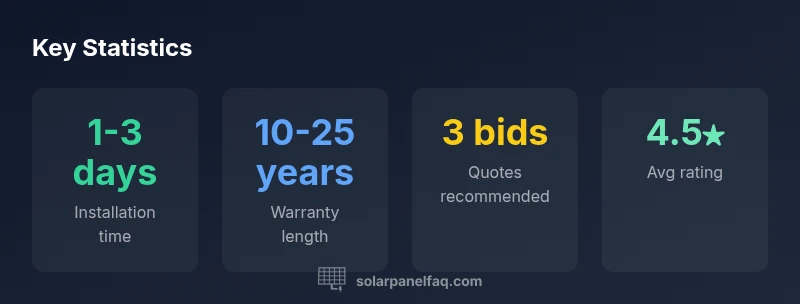
Never rely on a single price quote. Obtain at least three detailed bids that itemize equipment, labor, permitting, and any interconnection costs. Ensure each bid reflects the same system size and identical equipment so you can make fair comparisons. Be wary of low upfront quotes that conceal higher long-term costs through maintenance or inverters with shorter lifespans. When it comes to financing, many local installers offer a range of options, including cash purchase, loans, leases, or power purchase agreements (PPAs). Compare total cost over the system life, taking into account tax credits or incentives available in your area. Ask about rate locks, escalators, and any penalties for early payoff.
Site assessment, roof condition, and shading analysis
A thorough site assessment is essential before installation. The installer should perform a shading analysis, roof condition check, and load-bearing assessment to confirm structural suitability. They should evaluate orientation, tilt, and potential shading from nearby trees or structures across different times of day and seasons. Expect a detailed plan showing wire routes, racking hardware, and array layout. Any required roof work or structural reinforcement should be disclosed with a clear cost estimate and timeline. This step ensures the system will perform as expected and helps prevent surprises after signing the contract.
Installation day expectations and interconnection steps
On installation day, expect the crew to coordinate with you on system sequencing, safety checks, and panel placement. The process typically includes mounting, wiring, inverter setup, and system testing. The installer should handle utility interconnection coordination and permit finalization. You should receive documentation of system performance, warranties, and a commissioning report. Understanding the utility’s interconnection requirements and net metering policies in your area is crucial to ensure your system seamlessly contributes to your home’s energy needs.
Maintenance, monitoring, and long-term value
Post-install maintenance and monitoring are crucial for sustained performance. Many modern systems come with online monitoring dashboards to track energy production, performance deviations, and alerts. Regular cleaning of panels and periodic inspections of racking and wiring help prevent issues. Discuss maintenance responsibilities with your installer and confirm what services are included in the owning agreement. A strong monitoring plan and responsive service network are key to maintaining high system efficiency and protecting your investment over 25+ years.
Regional considerations: incentives, permits, and grid rules
Regional incentives and utility interconnection rules can significantly affect project economics. Local solar contractors who know the specific rebate programs, permit workflows, and net metering policies in your city or state can simplify the process and maximize savings. Before signing, confirm how incentives are applied (per system, per year, or as a one-time credit) and whether they are claimed by the installer or passed through to you as the homeowner. This understanding helps prevent surprises during the first year of operation.
Decision-ready checklist for local solar buyers
To wrap up, use a structured checklist when assessing local solar companies: verify licenses and credentials, compare at least three detailed bids, confirm robust warranties, review financing terms, assess maintenance offerings, and understand regional incentives. This approach ensures you select a partner who can deliver the best balance of performance, value, and ongoing service.
Key installation verification steps
| Aspect | What to check | Why it matters | Tips |
|---|---|---|---|
| Licensing & Certification | NABCEP or equivalent, state license | Ensures competency and compliance | Ask for license numbers and verify with authorities |
| Warranty & Service | Workmanship + manufacturer warranties | Protects against faults and failures | Confirm transferability and claim process |
| Quotes & Pricing | Three detailed bids, identical scope | Allows fair comparisons | Ensure apples-to-apples bids |
| Financing Options | Loans, leases, PPAs | Affects long-term cost and savings | Compare total cost over 20–25 years |
Frequently Asked Questions
What credential should I look for when evaluating local solar companies?
Look for NABCEP certification and valid state licenses, plus appropriate liability insurance. Verify licenses with the issuing authorities and ask for documented references. These credentials help ensure quality workmanship and compliance.
Look for NABCEP certification and state licenses, then verify with authorities.
How many quotes should I obtain?
Aim for at least three quotes from different local installers to compare scope, pricing, and warranties. Ensure each bid reflects the same system size and equipment.
Get three quotes to compare scope and costs.
Do local solar companies offer financing options?
Yes, many offer loans, leases, or PPAs. Compare total cost over the system life and check for available incentives in your area.
Many offer financing; compare terms and incentives.
What should be included in a post-install maintenance plan?
A solid plan includes monitoring, scheduled cleaning, and terms for repairs under warranty. Confirm response times and coverage.
Check monitoring and response times in the maintenance plan.
How long does installation typically take?
Residential installs usually take 1-3 days on-site, plus permitting. Actual timing depends on roof complexity and utility queues.
Most installations take a few days.
“Strong local installers stand behind their work with clear warranties and accessible service plans. This combination typically leads to fewer issues and faster claim resolution.”
Top Takeaways
- Vet licenses and certifications before signing
- Ask for at least three itemized bids
- Prioritize strong warranties and service plans
- Understand financing options and incentives
- Check local permitting timelines and utility interconnection policies