Go Solar Power: A Practical Home Guide for 2026 Homeowners
Learn how to go solar power with a clear, step-by-step plan for homeowners—from site assessment and system design to financing, permits, and maintenance. Practical tips, actionable steps, and trusted sources.


By the end of this guide you will know how to go solar power at home, what factors to evaluate, and the key steps from site review to financing, permitting, installation, and ongoing monitoring. You’ll learn how to size a system, compare financing options, and navigate permits with confidence. This plan prioritizes safety, warranties, and long-term performance.
What go solar power means for homeowners
Going solar power means installing photovoltaic panels that convert sunlight into electricity, directly offsetting your home’s energy use. For homeowners, it can reduce monthly bills, increase energy resilience, and add long-term property value. But the decision involves trade-offs: upfront investment, maintenance considerations, and the need to navigate local codes and incentives. This article explains the core idea and what to expect as you begin. According to Solar Panel FAQ, going solar should be approachable for homeowners with clear steps and realistic timelines. You’ll learn how to evaluate roof health, sun exposure, and wiring compatibility, then translate those findings into a practical plan you can implement with or without professional help. The key is to measure your energy needs, understand system sizing, and frame the project around safety, warranties, and ongoing performance. After you understand the basics, you can start comparing equipment, financing, and installation options with confidence.
The benefits and trade-offs of solar energy
Solar power offers several compelling benefits for homeowners: lower or more predictable energy bills, reduced greenhouse gas emissions, and greater energy independence during outages or peak pricing periods. It can also increase home value and resilience when paired with storage. Trade-offs to consider include upfront capital, the need for roof and electrical work, ongoing maintenance, and the fact that production varies with weather, season, and shading. Additionally, solar incentives and interconnection rules differ by location. The trade-off is often worth it for households with high energy use and sunny sites, but it requires careful budgeting and planning. This section lays out how to weigh costs against benefits so you can decide whether solar aligns with your goals.
How to assess roof and site suitability
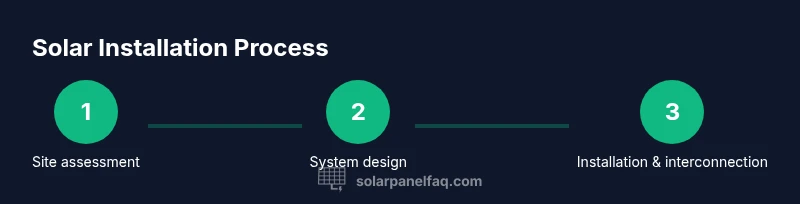
The first step is a realistic site survey: confirm roof orientation (south-facing in the northern hemisphere is typically best), roof condition, and available unobstructed area for panels. Check for shading from trees, chimneys, or nearby structures, as shade dramatically reduces output. Inspect roof age and material; older roofs may need replacement before mounting. Evaluate electrical readiness, including main service panel capacity and existing wiring. If your site looks promising, quantify usable roof area and estimate how many panels could fit. In many homes, a simple assessment can be done with a tape measure, a sun-path chart, and a few photos from different angles. A professional assessment, however, can confirm structural integrity and provide a detailed layout plan. The takeaway: feasibility hinges on sun exposure, roof health, and space for the array and racking system.
Designing your system: size, components, and layout
System design translates energy needs into a solar array. Key decisions include system size (how many kilowatts), module type (monocrystalline vs polycrystalline), inverter type (central string inverter vs microinverters), and mounting approach (roof vs ground). A larger system yields more electricity, but it costs more upfront and may require a larger roof area. Layout considerations include panel orientation, tilt angle, shading patterns, and wire routing. You’ll also choose components such as the inverter, racking, junction boxes, and monitoring hardware. A well-designed system maximizes production while minimizing losses from temperature, soiling, and wiring. The option to add battery storage should be weighed for resilience, though it adds complexity and cost. This section helps you understand the trade-offs so you can select a practical, scalable design.
Costs, incentives, and financing options
Costs vary by region, roof type, system size, and equipment quality. Before incentives, residential systems commonly fall into a broad range depending on local labor and material costs. Incentives such as tax credits, rebates, and net metering can substantially reduce net cost and shorten payback. Financing choices include cash purchases, solar loans, and leases or power purchase agreements, each with different ownership implications and long-term costs. When budgeting, consider not only the upfront price but also maintenance, inverter replacement timelines, and potential rate changes from utilities. Solar Panel FAQ analysis shows payback and ROI vary by location and usage patterns, underscoring the importance of a location-specific plan.
Permits, codes, and hiring a contractor
Most jurisdictions require permits for solar installations, with inspections at multiple milestones. Local electrical codes govern wiring, grounding, and interconnection with the grid. A licensed electrician or a certified solar installer can help you navigate the permitting process, fill out applications, and ensure compliance. Choose a contractor who is insured, has solid references, and provides a clear written contract detailing scope, timelines, warranties, and post-installation support. Verify that the contractor is familiar with your utility’s interconnection process and data reporting requirements. This step reduces risk and ensures a smoother path from approval to energization.
Installation, commissioning, and grid interconnection
Installation typically includes mounting racks, installing panels, wiring to an inverter, and connecting to the main electrical panel. Depending on site and permit timing, the physical install may take a day or two, followed by inspections and interconnection with the utility. Commissioning involves testing electrical connections, performance verification, and setting up monitoring software. If you’re using a professional installer, they will handle most tasks; if you plan a DIY approach, ensure compliance with all safety rules and local codes. After interconnection is approved, your system will begin producing electricity and feeding it to your home.
Monitoring, maintenance, and performance optimization
Monitoring software helps track production, performance, and any faults in real time. Regular maintenance includes occasional cleaning to remove dust and debris, inspection after severe weather, and checks of mounting hardware and electrical connections. Keep an eye on output relative to expected production; most systems produce more in summer and less in winter. If performance deviates, investigate causes such as shading changes, soiling, or degraded modules. A simple maintenance routine can keep your system operating near its design targets for many years. Over the system lifetime, you’ll want to plan for inverter replacement and potential panel cleaning cycles.
Common pitfalls, safety reminders, and next steps
Common pitfalls include underestimating design constraints, ignoring shading, or selecting subpar inverters. Always prioritize safety: work with a partner, use proper fall protection when on roofs, and disconnect power when necessary. Don’t skip permits or inspections, and avoid DIY electrical work beyond your skill level. If you’re unsure at any step, hire a qualified professional to reduce risk and ensure code compliance. Next steps include finalizing your design, obtaining permits, scheduling installation, and enrolling in a monitoring plan. With careful planning, your solar project can be a smooth, value-adding upgrade to your home.
Authoritative sources
For further reading and official guidance, consult the following sources:
- https://www.energy.gov/eere/solar/homeowner-s-guide-solar
- https://www.nrel.gov/solar.html
- https://www.energy.gov/eere/solar/articles/solar-energy-basics
Tools & Materials
- Safety gear (helmet, gloves, safety glasses)(Full PPE before any roof work)
- Ladder and fall-arrest equipment(Stable ladder with harness)
- Roof mounting brackets and rails(Appropriate for roof type)
- Drill and bits (Phillips #2, square drive)(For mounting and assembly)
- Electrical multimeter(For circuit checks and commissioning)
- Crimping tool for DC conductors(Ensure solid connections)
- Torque wrench(Optional for precise fasteners)
- Weatherproof sealants and bonding compounds(Seal penetrations and protect surfaces)
- Permitting guidance and checklists(Documentation for local codes)
- Solar panels and inverter(Select based on design and warranty)
Steps
Estimated time: 1-3 days
- 1
Assess energy needs and site viability
Gather 12 months of electricity bills and note seasonal usage patterns. Conduct a quick site check for sun exposure, shading, and roof condition. This prepares you to estimate feasible system size and layout.
Tip: Collect your past 12 months of bills before starting; use a sun-path diagram to visualize peak sun hours. - 2
Size your system and select components
Translate your energy use into a system size, then choose modules, an inverter type, and mounting hardware. Consider future needs like storage or additional panels for growth, while balancing cost and efficiency.
Tip: Ask for a layout with shading maps to confirm the best panel placement. - 3
Explore financing and incentives
Review cash purchase, loans, leases, or PPA options. Compare net costs after incentives and expected payback periods, and factor in maintenance and inverter replacement timelines.
Tip: Request a side-by-side cost comparison with and without incentives. - 4
Check permits and interconnection requirements
Identify local permitting requirements, utility interconnection rules, and inspection steps. Start applications early to avoid delays and ensure code compliance.
Tip: Contact your utility early to confirm interconnection processes and net metering rules. - 5
Design the layout and wiring plan
Draft a schematic showing panel placement, wiring routes, disconnects, and the inverter connection. Ensure redundancy and simple future maintenance.
Tip: Plan for accessible wiring paths and easy access to the main service panel. - 6
Schedule installation with a licensed pro
Engage a licensed contractor to execute mounting, wiring, and commissioning. Align timelines with permit approvals and utility scheduling.
Tip: Check references and confirm warranties for all major components. - 7
Install, connect, and inspect
On installation day, follow the plan, verify all connections, and have the system inspected by the relevant authority. Ensure proper grounding and safe interconnection to the grid.
Tip: Never bypass required inspections or safety disconnects. - 8
Test, monitor, and optimize
Power up, test performance, and set up monitoring. Review production data against expectations and adjust settings if needed. Create a routine maintenance schedule.
Tip: Establish monthly checks of output versus forecast to catch issues early.
Frequently Asked Questions
Is solar power right for my home?
Most homes with sufficient sun exposure and a suitable roof can benefit from solar. Evaluate orientation, shading, roof age, and electricity usage to determine if solar is a good fit. A professional assessment helps confirm feasibility.
Most homes with good sun exposure and a solid roof can benefit from solar. A professional assessment will confirm feasibility and provide a clear plan.
What financing options exist for residential solar?
Common options include cash purchases, solar loans, leases, and power purchase agreements. Each has different ownership, tax implications, and long-term costs, so compare total costs and incentives.
You can pay upfront, finance with a loan, or lease. Each option has different ownership and long-term costs; compare them carefully.
Do I need permits to install solar panels?
Yes, most jurisdictions require permits and inspections for safety and code compliance. Your installer or local building department can guide the process and ensure interconnection with the grid.
In most places, permits and inspections are required. Your installer will guide you through the process.
How long does installation take?
Timeline varies by site and permits, but most residential installations span a few days from preparation to commissioning, with scheduling and inspections factoring in.
Usually a few days, plus time for permits and inspections.
Will solar power keep my lights on during a grid outage?
Grid-tied solar systems typically shut down during outages unless you add a battery storage system or a special grid-tied setup with backup capability.
Most grid-tied solar systems won’t run during outages unless you have storage or a special setup.
What maintenance is required for solar panels?
Maintenance is light: periodic cleaning, inspecting mounting hardware, and monitoring performance. Address shading changes and ensure the inverter and electrical connections remain safe and functional.
Maintenance is usually cleaning and inspection; keep an eye on shading and check the inverter occasionally.
Watch Video
Top Takeaways
- Define goals before choosing a system.
- Solar output depends on location, roof, and orientation.
- Budget for upfront costs and incentives; plan for maintenance.
- Permits and professional help are often required.
- Monitor performance and adjust as needed.