DIY Solar Panel Rack: A Practical Guide to Building Your Own Mount
Learn how to plan, build, and install a diy solar panel rack for roof or ground setups. This step-by-step guide covers design, materials, safety, permitting, and maintenance for a durable, code-friendly mounting system.


By the end of this guide you’ll know how to plan and build a diy solar panel rack for roof or ground mounts. You’ll learn layout, material choices, and key safety checks to ensure a sturdy, code‑compliant mounting system that protects panels, improves airflow, and maximizes sun exposure while staying within local regulations.
Why a reliable diy solar panel rack matters
According to Solar Panel FAQ, a well-designed rack improves panel alignment, airflow, wind resistance, and long-term durability. A rack is not just a frame; it sets tilt to catch sun, defines spacing for cooling, and provides a clean path for wiring. In this section we discuss how mounting location (roof vs ground) and local codes influence layout, load expectations, and overall system performance. Properly planned racks also facilitate future maintenance and panel cleaning, reducing long-term outage risk and maximizing energy gains over the system’s life.
Roof-mounted vs ground-mounted racks: pros and cons
Roof mounts save ground space and can leverage existing structure but require careful assessment of roof integrity, leg spacing, and weatherproofing. Ground-mounted racks offer easier access for maintenance, tilt adjustment, and simplified wiring but demand more space and protective fencing in some neighborhoods. When deciding, consider wind uplift, snow loads, allowable roof penetration, and how the rack will interact with shading from nearby structures. Solar Panel FAQ emphasizes choosing the mount type that aligns with local climate, roof condition, and your DIY confidence level.
Design principles: tilt, spacing, and orientation
Tilt angle should maximize annual sun exposure for your latitude, while keeping panels above snow lines if you’re in winter-prone areas. Spacing between rows prevents hot spots and allows airflow for cooling. Use corrosion-resistant hardware and weatherproof brackets; avoid over-tightening that could deform frames. Orientation should minimize shading from trees or chimneys and consider seasonal sun paths. Document measurements with a simple grid plan before cutting or assembling any frame to ensure you don’t waste material.
Materials and tools you’ll need
A reliable diy solar panel rack relies on sturdy, weather-resistant components. Typical materials include aluminum or galvanized steel framing, stainless steel hardware, L-brackets for tilt, and mounting feet compatible with your mounting surface. Essential tools include a tape measure, a level, a drill with appropriate bits, wrenches, a metal-cutting saw, and corrosion-resistant sealant. Optional items include a wind load calculator, a torque wrench for consistent fastener tightness, and safety gear such as gloves and eye protection. Plan for extra hardware to accommodate on-site adjustments.
Step-by-step planning: mounting layout and spacing
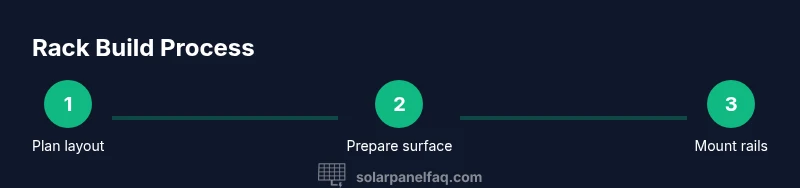
Begin with a rough site map showing panel dimensions, rack footprint, and clearance for maintenance. Calculate total width and height based on number of panels, including gaps for cooling. Mark anchor points on the mounting surface and verify structural capacity with a quick check of roof truss layouts or soil depth for ground mounts. Create measured drawings or use simple templates to ensure repeatability. This planning reduces wasted material and makes assembly faster.
Step-by-step assembly basics on a small rack
Assemble the frame on a flat, clean surface to minimize misalignment. Start with the base rails, attach vertical supports, and then mount tilt brackets at the calculated angles. Use stainless or galvanized hardware, and torque fasteners to manufacturer recommendations if available. Attach cross-bracing for lateral stability, then mount the panel rails. Finally, apply weatherproof sealant at all joints and check alignment with a spirit level. This builds a solid backbone before wiring begins.
Wiring considerations and safety basics
Plan a clean routing path for DC cables, keeping them away from sharp edges and hot surfaces. Use properly rated conduit and strain relief, and separate power cables from communication lines. Grounding and bonding must follow code requirements, and you should install a suitable disconnect and overcurrent protection per local electrical codes. Always de-energize circuits before handling wiring and verify polarity. If unsure, consult a licensed electrician for critical steps.
Weather, wind loads, and durability considerations
Weatherproofing is essential for longevity. Choose corrosion-resistant materials and seal all penetrations against water ingress. Account for wind uplift by validating mounting feet, fastener count, and cross-bracing strength using local wind/load data. In snowy regions, ensure adequate tilt for snow shedding and plan for easy snow removal access. Regularly inspect mounts after major storms and at the start of each season to catch wear early.
Maintenance, inspection, and longevity
Set a routine inspection schedule: check fastener tightness, corrosion, and panel alignment every 6–12 months. Clean dust and debris from rails and panel surfaces to maximize efficiency. Replace any worn hardware promptly and document all service events for future maintenance planning. A well-maintained rack will deliver predictable performance and a longer system life.
Permitting, codes, and cost considerations
Before building a rack, verify local permitting requirements and structural rules with your city or county. Many regions allow DIY mounting if constructed to code and inspected if required. Costs vary with materials, height, and mounting surface. Budget for hardware, brackets, fasteners, sealants, and a contingency for on-site adjustments. Remember that quotes from local installers can help benchmark your material choices.
Common mistakes and troubleshooting
Common issues include misaligned rails, insufficient tilt, improper sealing, and inadequate fastening. Double-check measurements, re-check wind-load calculations, and verify cable routing. If panels overheat, increase spacing or improve airflow. When in doubt, pause and re-measure rather than forcing a fit. Document every modification for future maintenance and potential resale.
Quick-start checklist before you begin
- Inspect mounting surface for integrity
- Gather all tools and materials
- Finalize layout on paper or a digital plan
- Confirm tilt and spacing with a test mock-up
- Prepare weatherproofing materials
- Verify wiring plan and electrical protection
- Schedule a final review or inspection with a professional if required
Tools & Materials
- Measuring tape(At least 25 ft for full layout planning)
- Level and square(Ensure true alignment on rails)
- Drill with bits and driver bits(For mounting holes and bracket assembly)
- Wrenches / socket set(Torque fasteners to spec)
- Metal-cutting saw or hacksaw(Only if trimming rails is needed)
- Corrosion-resistant hardware(Stainless steel or galvanized steel)
- Tilt brackets and mounting feet(Match your mount type (roof/ground))
- Weatherproof sealant/caulk(Seal all penetrations)
- Conduit and proper cable clamps(For safe wiring routing)
- Safety gear (gloves, goggles)(Personal protection during install)
Steps
Estimated time: 6-12 hours
- 1
Assess site and choose mounting type
Survey your roof or ground site for space, access, and structural integrity. Decide roof vs ground based on load capacity, maintenance requirements, and local permits. This step informs the entire build.
Tip: Document the site with photos and measurements for accuracy. - 2
Plan layout and finalize tilt
Create a layout grid that defines panel rows, spacing, and tilt angles. Use latitude-based tilt guidelines and seasonal considerations to optimize energy capture.
Tip: Use a simple template or software to simulate shading. - 3
Prepare mounting surface and anchors
Clean and inspect the mounting surface. Mark anchor points and pre-drill holes if required by the surface material. Prepare compatible anchors for the chosen rack type.
Tip: Don’t skip surface cleaning; debris reduces sealant effectiveness. - 4
Assemble base frame on a flat area
Lay out base rails and attach vertical supports with cross-bracing. Check squareness and adjust before final fastening.
Tip: Use clamps to keep pieces steady during assembly. - 5
Attach tilt brackets and rails
Install tilt brackets at the calculated angle and secure rail sections. Validate stability with light taps before proceeding.
Tip: Torque fasteners to recommended values. - 6
Mount panel rails and align panels
Install panel rails with even spacing and align the first panel to a reference edge. Ensure uniform gaps between panels for cooling.
Tip: Check alignment with a straight edge across the top rail. - 7
Route wiring and install protection
Plan a clean path for DC cables, install conduit and clamps, and ensure all exposed wiring is protected and grounded.
Tip: Keep wiring away from sharp edges and hot surfaces. - 8
Seal penetrations and finalize weatherproofing
Apply sealant around mounting points and rail joints to prevent leaks. Inspect for gaps and re-seal as needed.
Tip: Use compatible sealant for metal and mounting surfaces. - 9
Perform safety and function checks
Verify panel tilt, spacing, and fastener integrity. Check for wobble and ensure easy access for maintenance.
Tip: Conduct a final walk-around to confirm all components are secure. - 10
Dry-run wiring and disconnect prep
Simulate the wiring path without energizing the system to ensure a safe, efficient route from panels to the disconnect.
Tip: Label cables for future maintenance. - 11
Final inspection and permits
Schedule or complete required inspections and confirm compliance with local codes. Keep documentation for future reference.
Tip: Keep all receipts and product specs for warranty claims. - 12
Ongoing maintenance plan
Set a schedule to inspect fasteners, seals, and wiring every season. Plan for periodic cleaning to sustain performance.
Tip: Record maintenance dates to track aging components.
Frequently Asked Questions
What is a solar panel rack and why do I need one?
A solar panel rack is a frame system that holds solar panels at the correct tilt and spacing for optimal sun exposure. It also protects wiring and supports safe, wind-resistant operation. A well-built rack reduces shading losses and makes maintenance easier.
A solar rack is the frame that holds your panels at the right angle and spacing for best sun exposure, while protecting wiring and withstanding weather.
Do I need permits for a DIY solar rack?
Permit requirements vary by locality. In many areas, a DIY rack is allowed if it complies with codes and is inspected where required. Check with your city or county building department before starting.
Permits depend on local rules. Check with your local building department to be sure before you begin.
Roof or ground mounting: which is safer for a DIY rack?
Roof mounts save space but require roof integrity checks; ground mounts are easier to access but take more space and may need fencing. Evaluate wind loads, snow risk, and maintenance access when choosing.
Roof mounts save space but need roof checks; ground mounts are easier to service but use more space.
What materials work best for a rack?
Aluminum or galvanized steel frames with stainless hardware offer good durability and corrosion resistance. Avoid cheap, non-coated metals in outdoor installations to prevent premature rusting.
Use aluminum or galvanized steel with stainless hardware for outdoor durability.
How long does it take to install a DIY rack?
Time varies by site and mounting type, but a careful, well-planned project typically spans a full day or two. Rushing increases risk of misalignment and leaks.
Most installs take a full day or two, depending on site complexity.
Is a DIY rack code-compliant without a professional?
A DIY rack can be code-compliant if designed to meet local structural and electrical codes, and if required inspections are completed. When in doubt, consult a licensed contractor.
Yes, if you follow local codes and get inspections when required.
Watch Video
Top Takeaways
- Plan layout before purchasing parts
- Prioritize weatherproofing and corrosion resistance
- Follow local codes and permit requirements
- Use proper torque on all fasteners
- Inspect regularly for safe operation