Smart Solar Energy: A Comprehensive Home Guide
Explore how smart solar energy blends high-efficiency panels with intelligent controls and storage to optimize generation, storage, and usage for homeowners seeking lower bills and greater energy resilience. Learn practical steps, ROI considerations, and maintenance tips.


Smart solar energy means solar power systems that combine high-efficiency panels with intelligent controls, storage, and smart metering to optimize when electricity is produced and used. By integrating weather data, home energy management, and battery storage, homeowners can boost solar ROI, reduce grid dependence, and lower energy bills. This guide shows practical steps for choosing, installing, and monitoring smart solar setups.
What is Smart Solar Energy and Why It Matters
According to Solar Panel FAQ, smart solar energy refers to solar power systems that integrate high-efficiency panels with intelligent controls, energy storage, and real-time data to optimize when electricity is produced and used. For homeowners, this approach reduces reliance on the grid, increases resilience, and improves overall efficiency of daily energy use. In practice, a smart solar setup adapts to weather, occupancy, and appliance loads, turning solar generation into a reliable, on-demand resource. Throughout this guide we’ll cover how to pick components, plan installation, and maximize value from your investment, with practical steps you can take today. The Solar Panel FAQ team notes that smart solar energy is becoming more accessible as battery tech improves and home energy management software matures. You’ll see how different components interact, from solar panels to EMS, and how to tailor a system to your home’s unique energy profile.
Key terms to know include photovoltaic panels, inverters, energy storage, smart meters, and home energy management systems. Understanding these pieces helps you compare options across brands and configurations, and it frames why smart solar energy can outperform traditional, static solar installations in many homes. The intent of this article is practical guidance—no hype, just actionable steps for homeowners exploring smarter, more efficient solar power.
Core Components of a Smart Solar System
A smart solar system comprises several integrated parts that work together to optimize energy production, storage, and consumption. At the heart are high-efficiency solar panels that capture sunlight and convert it to usable electricity. These panels feed a modern inverter (or microinverters) that converts DC to AC, with built-in monitoring capable of communicating performance data in real time. An energy storage system (battery) stores excess solar generation for use during cloudy periods or at night, increasing self-consumption and resilience. A Smart Energy Management System (EMS) or home energy hub coordinates the flow of power, schedules optimal charging and discharging of batteries, and integrates with smart meters or a gateway to communicate with the utility and other smart devices in the home. Finally, software dashboards provide visibility into production, consumption, and storage, enabling proactive decisions rather than reactive fixes. When selecting components, look for compatibility (inverter with EMS, battery chemistry, panel rating) and future-proofing features (firmware updates, cybersecurity protections, and interoperability with third-party energy apps).
How Smart Controls Optimize Generation and Use
Smart controls leverage data from weather forecasts, real-time production, and household energy patterns to maximize value. Time-of-use (TOU) rates, demand response programs, and grid signals can drive smarter charging and discharging, reducing peak demand and lowering energy costs. An EMS can automatically shift high-energy tasks (like water heating, electric vehicle charging, or appliance cycling) to periods of peak solar production or lower utility rates. In multi-zone homes, smart controls can tailor usage by room, appliance, or circuit, minimizing waste and improving comfort. Integration with smart thermostats, EV chargers, and battery management features creates a holistic energy ecosystem that adapts as you change routines or add new loads. While the technology is powerful, the real-world payoff depends on your local climate, incentive programs, and the level of automation you enable. A well-configured system can steadily improve energy autonomy and comfort without requiring ongoing manual adjustments.
Planning Your Smart Solar Installation
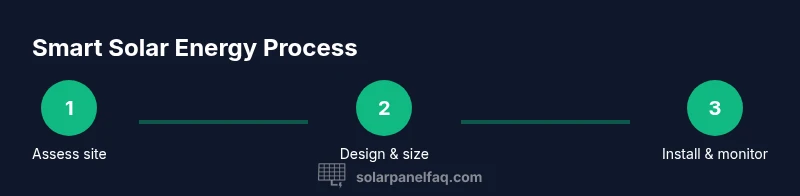
Successful smart solar adoption begins with a thorough plan. Start with a site assessment: roof orientation, shading, and available space; then define your goals (max energy independence, backup power, or cost minimization). Next, size the system not only for peak sun hours but also for daytime usage patterns—if you work from home or run heavy appliances during the day, prioritize a larger production and storage capacity. Evaluate permitting requirements, interconnection agreements, and utility programs for smart incentives and net metering. Choose components with compatible monitoring and cybersecurity features, and prefer modular designs that allow future upgrades (batteries, higher-efficiency panels, or enhanced EMS). Finally, budget for installation with contingencies, and select a reputable installer or plan a code-compliant DIY approach if permitted. Planning well reduces surprises and lays a path to long-term savings.
Real-World Scenarios and ROI Considerations
In real homes, smart solar energy often translates to greater self-consumption, better resilience during outages, and improved alignment of production with daily energy use. The most significant ROI drivers are how effectively you store energy, how you manage loads, and how you participate in eligible programs with your utility. Your ROI is influenced by roof suitability, system efficiency, battery longevity, and ongoing maintenance costs. While every home is unique, a thoughtful combination of high-quality solar panels, a capable EMS, and a scalable storage solution tends to deliver higher long-term value than a standalone solar array. The key is to test different usage scenarios—whether you’re pooling energy with a microgrid, charging an electric vehicle, or running appliances during sun peaks—and adjust settings accordingly. The ongoing monitoring data will guide future upgrades or tweaks without major overhauls.
Maintenance, Security, and Future-Proofing
Maintenance for smart solar systems is typically straightforward but essential. Regular inspections of panels for dirt or shading, firmware updates for EMS and inverters, and battery health checks help sustain performance. Security is also important: ensure your devices receive firmware updates, use strong passwords, and enable encrypted connections between the EMS, meters, and cloud dashboards. Consider future-proofing by selecting components that support standard communication protocols and open APIs, making it easier to add storage, upgrade panels, or integrate with new home automation services. Finally, keep warranties and service agreements clear, and document all maintenance actions. A proactive approach helps you maximize the life and value of your smart solar investment.
Tools & Materials
- Solar panels(High-efficiency monocrystalline preferred; ensure outputs match desired system size)
- Inverter or microinverters(Choose with integrated monitoring and EMS compatibility)
- Battery storage system(Lithium-ion recommended; size to match daily energy needs)
- Smart Energy Management System (EMS)( Central hub for load management and storage control)
- Smart meter / gateway( Enables real-time data sharing with utility and devices)
- Racking/mounting hardware(Roof-compatible or ground-mount system with corrosion protection)
- Conduit, disconnects, and wiring(Appropriate gauge and weatherproof connectors)
- Safety gear and tools(Gloves, goggles, insulated tools, and fall protection as needed)
- Permit package and interconnection agreement(Local permits, utility interconnection, and inspection docs)
Steps
Estimated time: 1-3 days for installation plus time for permits and utility processing (varies by locality)
- 1
Assess site and define goals
Survey the roof space, shade patterns, and daily energy use. Define whether your priority is peak-sun generation, backup power, or reduced utility bills. Document all findings to guide sizing and component choices.
Tip: Take photos of roof angles and shade across different times of day for accurate modeling. - 2
Size the system and storage with EMS
Use your energy data to estimate needed solar production and storage capacity. Ensure the EMS supports your preferred battery chemistry and planned load-shedding strategies.
Tip: Involve a professional to model storage depth and discharge cycles for longer life. - 3
Select smart components and controls
Choose panels with strong warranties, an inverter with monitoring, a scalable EMS, and a battery system compatible with your EMS. Prioritize open APIs for future upgrades.
Tip: Prefer modular, upgrade-friendly options to adapt to future energy needs. - 4
Plan permits and interconnection
Submit drawings and schematics for local permits. Confirm interconnection requirements with your utility and understand any net metering or TOU benefits.
Tip: Check for available incentives or rebates before final ordering. - 5
Install hardware and wiring safely
Mount racking, route cables, install the inverter/battery, and connect the EMS. Verify code compliance and turn off power during critical steps.
Tip: Have a certified electrician review critical connections and safety clearances. - 6
Commission, configure EMS, and monitor
Power up the system, calibrate EMS settings, and link dashboards. Begin monitoring production, storage state, and usage to optimize performance.
Tip: Run a test day to compare predicted vs actual energy flows and adjust thresholds.
Frequently Asked Questions
What is smart solar energy and how does it differ from traditional solar systems?
Smart solar energy adds intelligent controls, energy storage, and real-time data to a traditional solar setup. This enables optimized production and consumption, higher self-use, and better resilience during outages.
Smart solar energy adds intelligent controls and storage to traditional solar, making power use smarter and more reliable.
Do I need battery storage to go smart solar?
Batteries are not strictly required, but they significantly enhance self-consumption and reliability. If you want backup power or after-sunset usage, a storage system is recommended.
Batteries aren’t mandatory, but they greatly improve storage, reliability, and self-consumption.
Is smart solar energy more expensive upfront?
Smart solar typically involves higher upfront costs due to advanced components and storage. Costs vary by system size and equipment quality, but the long-term savings from energy management can improve overall value.
Upfront costs can be higher because of smart components, but long-term savings often offset them.
Can I install a smart solar system myself?
Some aspects can be DIY if you have electrical expertise and local permission, but most smart solar installations require a licensed electrician for safety and code compliance.
DIY is possible for some parts, but most installations should involve a licensed electrician.
What maintenance does a smart solar system require?
Regular inspections, firmware updates, and monitoring of battery health and inverter performance are typical. Keep documentation and schedule periodic checks with your installer.
Regular inspections and updates keep the system performing at its best.
How does net metering work with smart solar?
Net metering credits excess solar production against consumption. Smart systems can optimize when you export power to align with utility rates and storage strategy.
Smart systems can optimize exporting power to align with rates and storage goals.
Watch Video
Top Takeaways
- Plan thoroughly before buying
- Prioritize EMS and storage for maximum value
- Ensure components are upgrade-friendly
- Monitor performance to refine usage
- Maintain security and warranties for longevity