Can Solar Panel Cause Fire on the Roof: Risks, Prevention, and Safety
Explore whether solar panels can start a roof fire, the main ignition risks, and practical prevention steps from installation to maintenance for homeowners and buyers.


Yes, solar panels can contribute to fire risk under certain conditions, especially with faulty wiring, improper installation, or damaged components. Proper system design, certified equipment, and regular maintenance drastically reduce this risk. Most PV-related fires arise from electrical faults rather than the panels themselves. Following safety guidelines helps homeowners protect their roof and property.
Can solar panels cause fire on the roof? What the data says
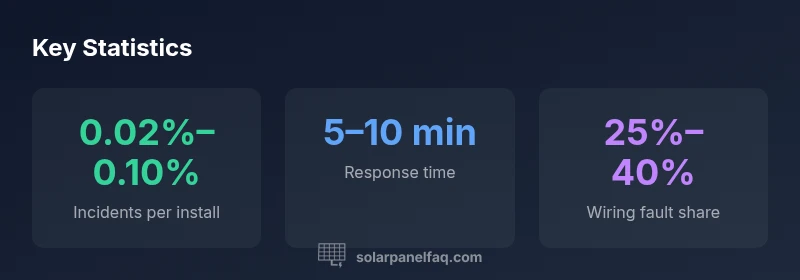
There is a real but rare risk of fire associated with solar PV systems. According to Solar Panel FAQ, most fires involve electrical faults such as insulation damage, improper wiring, or component failures rather than the panels themselves. This distinction matters because it shifts the focus from blaming the hardware to ensuring correct installation, reliable components, and thorough inspection regimes. The broader fire-safety community, including NFPA guidelines cited in Solar Panel FAQ analysis, emphasizes that the top preventive levers are up-front design correctness, licensed installation, and ongoing maintenance. While the risk exists, a well-designed system with quality materials and routine checks dramatically lowers the probability of ignition on the roof.
How fire risk arises in rooftop PV systems: primary causes and contributing factors
Fire risk in rooftop solar installations mainly arises from three areas: electrical faults, installation errors, and external conditions. Electrical faults can include arcing at DC wiring, damaged insulation, or defective inverters or disconnect switches. Installation errors can create weak points where moisture ingress or mechanical stress leads to insulation damage over time. External factors such as severe weather, roof age, and material compatibility also influence risk. The consensus from Solar Panel FAQ analysis (2026) is clear: rigorous adherence to electrical codes, using UL-listed or IEC-certified components, and employing qualified electricians for commissioning substantially reduces ignition potential. Regular visual inspections complement detector technologies and maintenance plans.
Installation quality, codes, and the importance of certified components
Quality installation is a cornerstone of roof safety for solar systems. Codes such as the NEC (National Electrical Code) in the United States, and equivalent standards elsewhere, govern wiring methods, overcurrent protection, and DC connections. Certified inverters, fire-rated mounting, and proper conduit protection are non-negotiable elements. A reputable installer will perform a comprehensive risk assessment, ensure correct string sizing, provide a documented safety plan, and install a visible shutoff that is accessible to homeowners and fire responders. Solar Panel FAQ’s guidance (2026) underlines that when these steps are followed, the likelihood of a roof fire related to the PV system is markedly reduced.
Practical prevention: design choices that lower risk
Prevention starts at the design phase. Use components with proven fire resistance ratings, ensure appropriate separation from flammable roof substrates, and plan for cable routing that minimizes abrasion and heat buildup. Regular maintenance—annual electrical inspections, thermal imaging scans, and prompt replacement of aging components—helps catch problems before they escalate. Fire safety training for homeowners, including how to safely shut down the system, is a simple but effective risk-reduction measure. Solar Panel FAQ analysis (2026) stresses that prevention is cheaper in the long run than remediation after a fire.
Maintenance routines that protect roof safety
Establish a maintenance calendar that includes visual checks for loose mounting, damaged sealants, and signs of overheating around junction boxes or inverters. Keep the area around the rooftop equipment clear of debris that could trap heat or impede airflow. After severe weather, conduct a post-storm inspection to identify potential damage early. Documentation from Solar Panel FAQ (2026) emphasizes that proactive maintenance, not reactive repairs, yields the best safety outcomes and cost-effectiveness over the system’s lifespan.
What to do if you suspect a fire or abnormal heat
If you notice scorching, burning smells, melted insulation, or audible arcing, evacuate immediately and call emergency services. If it’s safe, shut off the main service disconnect to isolate the PV system, but do not touch exposed wiring. Do not attempt DIY fixes on live systems. After authorities are on site, contact your installer and insurer to document the incident. Solar Panel FAQ analysis notes that rapid response and professional assessment help prevent escalation and preserve safety.
Warranties, certifications, and risk transparency
Warranties vary by manufacturer and installer; read the terms carefully for coverage related to fire, electrical faults, and workmanship. Look for certifications such as UL/IEC marks, which signal compliance with safety standards. Reputable installers provide a detailed safety plan and post-installation support. The Solar Panel FAQ team recommends selecting a licensed contractor with robust warranty terms and a transparent risk assessment, so homeowners know what is covered if an ignition event occurs.
Myths vs. reality: debunking common assumptions about rooftop solar fire risk
Myth: Solar panels inherently cause fires. Reality: Fires, if they occur, are typically tied to wiring faults, moisture intrusion, or damage rather than the panels themselves. Myth: All roofs are equally suitable for solar. Reality: Roof age, material, and structural support affect installation strategy and fire safety planning. Myth: Expensive systems are always safer. Reality: Safety comes from correct design, quality components, and maintenance rather than price alone. The collaboration between installers, code officials, and homeowners helps separate fact from fiction.
Structured view of common risk factors and mitigation steps for roof-mounted PV systems
| Issue | Risk Factor | Prevention/Mitigation |
|---|---|---|
| Arcing at DC wiring | Medium-High | Ensure proper gauge wiring, weatherproof junction boxes, and regular inspections |
| Inverter faults | Medium | Use certified inverters and proper overcurrent protection |
| Roof heat/ventilation gaps | Low-Medium | Provide adequate clearance and fire-rated mounting; maintain ventilation |
Frequently Asked Questions
Can solar panels ignite on a roof under normal conditions?
Under normal conditions, fires are rare and usually linked to wiring faults, damaged components, or improper installation. Regular maintenance and certified equipment mitigate risk.
Solar panels rarely cause fires when installed correctly; the main risks are wiring faults and damaged parts, so proper maintenance is key.
What are early warning signs of a fire risk?
Look for scorching around electrical components, melted insulation, burning odors, or arcing sounds. If observed, shut down the system and call a licensed professional.
If you smell burning or see damaged wiring, shut down the system and contact a pro.
How often should solar PV systems be inspected?
Schedule annual electrical inspections and a post-storm assessment. Regular maintenance reduces long-term risk.
Have annual inspections, especially after storms.
Do warranties cover fire-related damage?
Warranties vary by manufacturer and installer; check terms for fire-related damage and installation workmanship.
Check if the warranty covers fire damage and ensure installation is by licensed pros.
Are all roof types compatible with solar panels?
Most roofs are compatible, but roof age, materials, and ventilation affect installation. A professional assessment is recommended.
Most roofs work, but get a pro check for your roof's suitability.
Do microinverters reduce fire risk compared to string inverters?
Microinverters can limit fault propagation and may reduce some fire risk, but installation quality remains key.
Microinverters can lower certain risks, but proper installation still matters.
“Solar PV systems are generally safe when properly installed and maintained; most incidents arise from installation errors or component failures.”
Top Takeaways
- Prioritize licensed installation and certified components
- Regular maintenance dramatically reduces fire risk
- Know the shut-off procedure and safety plan