How to Protect Solar Panels from Birds
Learn humane, effective ways to protect solar panels from birds with deterrents, barriers, and maintenance tips to keep your system efficient and bird-free.


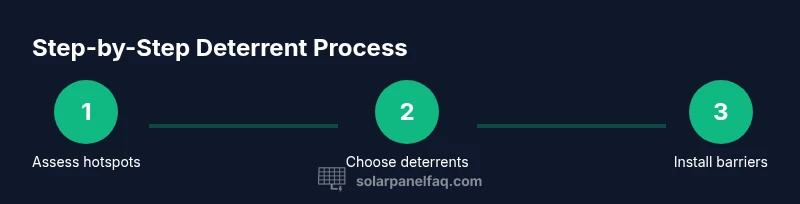
You can protect solar panels from birds using humane deterrents, physical barriers, and regular maintenance. Start by identifying hotspots, choose deterrents (netting, spikes, or repellents), install barriers safely, and schedule routine inspections. This guide covers setup, safety, and cost considerations for homeowners seeking long-term, bird-free performance today.
Understanding why birds roost on solar panels
Birds are attracted to solar arrays for warmth, shade, and shelter, especially in open or elevated spaces. They perch to build nests, scavenge insects, and during migration seasons. If you’re investing in solar, you’ll likely encounter birds that leave droppings, nest debris, and occasionally insulation or wiring damage. Understanding these patterns helps answer the question of how to protect solar panel from birds by targeting the exact roosting hotspots and peak times. Start by surveying the installation: edges of the panels, gaps under mounting rails, and nearby ledges or trees that invite perching. Document seasons, weather conditions, and prevailing wind directions to predict where birds prefer to settle. By mapping hotspots you can tailor deterrents to specific problems, avoiding a one-size-fits-all approach. Solar Panel FAQ’s guidance emphasizes humane, non-lethal methods that minimize risk to wildlife while preserving system efficiency. As you plan, consider how bird activity could impact cleaning cycles and panel efficiency, since droppings can reduce light absorption and trigger more frequent washing. This is a practical step in any plan to protect solar panel from birds and keep output stable.
Humane deterrents: nets, spikes, and repellents
Humane deterrents are the first line of defense against birds, and choosing the right mix depends on your roof type, panel layout, and local wildlife. Netting creates a physical barrier that prevents roosting above and between modules, reducing nesting chances and droppings. Visual deterrents like reflective tape or pinwheels can disrupt flight paths without harming birds. Spike systems, installed along panel edges and mounting rails, deter perching without creating a large obstacle for maintenance. Chemical or scent-based repellents are less common for solar arrays but can be used in surrounding areas to discourage birds from approaching the installation footprint. When selecting deterrents, prioritize safe, non-corrosive materials that won’t degrade the panels’ performance or warranty. The best approach often combines a primary physical barrier (netting or spikes) with perimeter deterrents to cover secondary roosting sites. Regardless of method, plan an installation that allows for regular cleaning and inspection so your system remains efficient and bird-free. The Solar Panel FAQ team notes that consistent monitoring yields long-term success with minimal environmental impact. If you’re unsure about which combination suits your scenario, start with a baseline deterrent set and iterate based on observed bird activity, never compromising safety or access for maintenance.
Physical barriers and their installation on different roof types
Installing barriers on different roof types requires careful planning to preserve roof integrity and panel performance. Flat or low-slope roofs often permit easier barrier installation with netting stretched over frame edges and along ridges. For sloped roofs, attach deterrents to rafters or the mounting rails, ensuring there’s no interference with panel performance or airflow. Roof penetrations should be minimized; use non-penetrating nets or edge-mounted spikes where possible. On tile roofs, consider clip-based netting or edge spikes that rest on the snuggly fitted batten, taking care not to crack tiles. For standing-seam metal roofs, magnetic or clamped barriers can provide secure placement without drilling. Always consult manufacturer guidelines before drilling into roof structures, as warranties can be affected by alterations. The goal is to create a continuous barrier that discourages roosting in the most active zones while maintaining ease of access for panel cleaning and inspection. This section aligns with the idea of how to protect solar panel from birds by focusing on physical layout rather than ad-hoc fixes.
Planning safety and permitting considerations
Working on a roof introduces fall hazards and electrical risks. Before starting any deterrent installation, assemble a safety plan: wear a harness, use a stable ladder, and have a second person present for help. De-energize the system if you must access wiring or junction boxes, and verify that any barrier installation does not obstruct cooling airflow or module cleaning pathways. Check local building codes and homeowner association rules for restrictions on bird deterrents and netting. Some jurisdictions require permits for large-scale roof modifications or netting installations, so factor permit timelines into your project plan. If you’re uncertain about code requirements or warranty implications, consult a licensed contractor or the solar installer. The right safety plan reduces the risk of injury and ensures you comply with regulations while implementing reliable deterrents that stand up to weather and seasonal changes. This section emphasizes practical safety steps that support your long-term goal: keeping birds away without compromising roof health or system output.
Maintenance, monitoring, and seasonal adjustments
A robust maintenance schedule is essential to ensure deterrents remain effective across seasons. Schedule a biannual inspection to check netting tension, spike alignment, and edge fasteners. Clean debris from nets and rails to prevent weight buildup that could compromise mounting. After seasonal transitions (winter to spring and late summer), re-evaluate bird activity trends and adjust deterrent placement accordingly. Replace worn nets, refresh rust-prone hardware, and confirm that weather seals around penetrations remain intact. Maintain a small log of roosting activity, peak bird traffic times, and any changes in panel output that coincide with deterrent changes. A proactive approach helps maintain peak solar performance and minimizes maintenance surprises later. By tracking outcomes, you’ll know when to scale up defenses or adjust tactics as birds change seasons and behavior. This is a practical roadmap for ongoing success in protecting solar panels from birds through recorded data and adaptive management.
Cost considerations and ROI of bird deterrents
Investing in deterrents involves upfront costs for nets, spikes, and installation, plus ongoing maintenance. Netting provides broad protection and can be cost-effective for large arrays, while spikes target specific edge perches but may require more installation time. Perimeter repellents or prop-based deterrents add incremental costs but can reduce the need for frequent cleaning or repairs caused by droppings. Factor in labor costs for installation and periodic checks, especially on multi-angled roofs or hard-to-reach areas. When calculating ROI, consider the reduction in cleaning intervals, fewer performance dips due to soiling, and lower risk of wiring or insulation damage. If you have an existing warranty, confirm deterrent compatibility to avoid inadvertently voiding coverage. The Solar Panel FAQ team emphasizes that a well-planned deterrent strategy often yields a favorable balance between initial investment and long-term energy production while protecting wildlife.
Troubleshooting common issues and when to seek professional help
Sometimes deterrents fail to deter birds as expected, especially during nesting seasons or migrations. If you observe persistent roosting despite barriers, inspect for gaps, loose mounts, or overlooked access points in the barrier system. Ensure that netting is taut and that spikes are aligned with the edges, not bent by wind or debris. In cases of persistent activity, consider combining deterrents with perimeter landscaping changes (e.g., trimming overhanging branches) to reduce roosting opportunities. If structural work is required on a steep roof or for systems larger than a single rack, hire a licensed solar installer or a professional roof technician. Attempting complex installations yourself can risk personal injury and damage to the solar array; professional help ensures safety and preserves warranty terms. This block offers practical checks and clear thresholds for escalating to experts as part of a comprehensive plan to protect solar panel from birds.
How to measure success and adapt strategies over time
Success is measured by reduced bird activity, cleaner panels, and stable or improved energy output. Track the frequency of droppings, nesting occurrences, and the need for cleaning in your maintenance log. If activity rebounds after a season, reassess hotspot areas and adjust deterring agents accordingly. Seasonal variability means you may need to relocate deterrents or add supplementary barriers. Consider weather events that can loosen barriers and schedule a post-storm inspection. Over multiple seasons, you’ll refine a deterrent toolkit tailored to your roof geometry and local wildlife patterns. This continuous improvement mindset is essential to effective bird protection and sustained solar efficiency.
Tools & Materials
- Bird deterrent netting or mesh(Choose UV-stabilized, weather-resistant netting sized to cover panels with extra margin for securing edges)
- Bird spikes (plastic or stainless steel)(Select low-profile spikes suitable for roof edges; ensure spacing fits panel width)
- Mounting hardware (zip ties, cable ties, clips)(Weatherproof, UV-resistant; have extra length for varied roof profiles)
- Scissors or utility knife(Sharp blade for trimming netting; safety goggles recommended)
- Ladder or stable access platform(Use with a partner; ensure ladder is rated for roof work and on stable ground)
- Gloves and eye protection(Protect hands from sharp edges and weathered surfaces)
- Weatherproof sealant or caulk(Seal potential gaps around edges after installation to prevent debris ingress)
- Measuring tape and marker(Plan spacing and mark anchor points before install)
Steps
Estimated time: 2-6 hours
- 1
Assess hotspots and plan
Walk the rooftop area to identify the highest-traffic roosts and entry points for birds. Mark these spots and decide which deterrent type will be most effective for each location. Document existing wiring and panel boundaries to avoid interference.
Tip: Take photos for reference and sketch a simple plan showing barrier placement. - 2
Choose deterrent mix
Select a primary barrier (netting or spikes) for the main panel surface and add perimeter deterrents if needed. Ensure chosen materials won’t corrode with weather exposure and won’t affect panel cooling.
Tip: Prioritize non-penetrating options where possible to protect roof integrity. - 3
Install edge barriers
Attach spikes along coping edges and mount edge anchors for netting. Keep barriers taut but not overly tight to allow airflow and panel access for maintenance.
Tip: Lint-free gloves help prevent cuts from sharp edges during installation. - 4
Secure netting across panels
Drape netting over the panel array and secure at the edges with clips or ties. Double-check that no gaps remain where birds could squeeze through.
Tip: Test with a gentle tug to confirm tension and security. - 5
Seal and inspect edges
Apply weatherproof sealant around any penetrations and recheck fasteners after the first wind event. Look for sagging netting or displaced spikes and adjust.
Tip: Schedule a follow-up check after a storm to ensure retention. - 6
Document and monitor
Record the installation details and set a future maintenance reminder. Monitor bird activity and panel cleanliness weekly for the first month.
Tip: Use a simple maintenance log to track changes over seasons.
Frequently Asked Questions
What is the most effective method to deter birds from solar panels?
A layered approach often works best: use a primary barrier like netting or spikes, supplemented by perimeter deterrents and routine maintenance. Tailor placement to hotspots and roof type for optimal results.
A layered approach—netting or spikes as the main barrier plus perimeter deterrents—works best. Tailor placement to your roof and hotspot areas.
Are bird deterrents safe for photovoltaic panels?
Yes. Choose deterrents designed for roofs and panels, avoiding harsh chemicals near electrical components. Use non-penetrating options when possible and follow manufacturer guidelines.
Yes. Use roof-safe deterrents and follow manufacturer guidelines to keep panels and warranties intact.
Will bird deterrents void my solar warranty?
Some deterrents can affect warranties if they involve drilling or improper mounting. Always check with your installer and read the warranty terms before modifying the roof or array.
Check with your installer and read warranty terms before modifying anything on the roof or array.
How often should I inspect deterrents and barriers?
Inspect deterrents at least twice a year and after strong weather events. Look for loose fasteners, damaged netting, and displaced spikes, then repair promptly.
Inspect twice a year and after storms; fix any loose parts quickly.
Can birds cause damage to solar panels?
Birds can cause debris buildup, nesting, and potential wiring exposure if barriers fail. Humane deterrents reduce risk and keep panels cleaner and more efficient.
Yes, if barriers fail; deterrents reduce debris and nesting risks and protect efficiency.
Watch Video
Top Takeaways
- Identify bird hotspots first to target deterrents effectively.
- Combine barriers (netting and spikes) for best results.
- Prioritize safety and warranty compatibility in planning.
- Schedule regular inspections to maintain deterrent effectiveness.
- Document outcomes to refine strategies over time.