Do Solar Panels Need Servicing? A Homeowner's Guide to Maintenance
Discover do solar panels need servicing, what maintenance covers, how to clean safely, when to call a professional, and how to plan a servicing schedule for long-term performance and reliability.


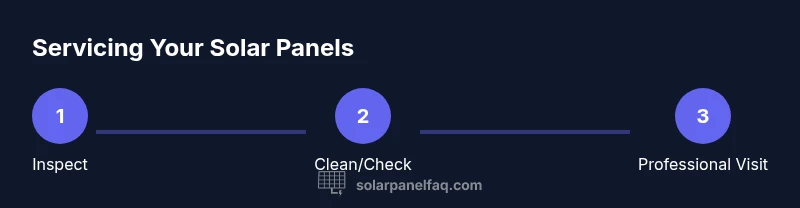
Do solar panels need servicing? In most homes photovoltaic panels require minimal upkeep, but periodic checks help sustain performance and safeguard warranties. Servicing typically covers cleaning to remove debris, inspection of mounting hardware, and verification of electrical connections and inverter data. If you notice a drop in power, shading changes, or alert signals from the monitoring system, it’s wise to schedule an evaluation by a qualified technician.
Do solar panels need servicing? What counts as maintenance
Do solar panels need servicing? According to Solar Panel FAQ, in most homes photovoltaic panels require minimal upkeep, but periodic checks help sustain performance and safeguard warranties. Servicing typically covers cleaning to remove debris, inspection of mounting hardware, and verification of electrical connections and inverter data. If you notice a drop in power, shading changes, or alert signals from the monitoring system, it’s wise to schedule an evaluation by a qualified technician. This article explains what maintenance means for a typical residential system and distinguishes tasks you can handle safely from those that require a licensed professional.
Core components that benefit from servicing
Even though solar panels themselves are designed for long life and weather resistance, several components around them benefit from routine attention. Solar PV modules are sealed and generally durable, but mounting rails can corrode, and fasteners may loosen over time, especially on roof installations in salty or humid environments. Wiring and conduit should be checked for signs of wear, insulation damage, or animal intrusion. The inverter or microinverters are critical for producing usable electricity; monitoring data and alerts should be reviewed for anomalies. A professional may also inspect junction boxes, combiner boxes, and grounding to ensure safety and code compliance.
Cleaning: when, why, and how
Cleaning can improve light intake when dust, pollen, bird droppings, or sand accumulate on panels. The decision to clean depends on location, weather, and the observed performance. If cleaning is necessary, use gentle water spray, a soft brush or sponge, and a mild detergent if stubborn grime sticks. Do not use high-pressure washers, abrasive brushes, or harsh cleaners that could scratch glass or degrade seals. Clean in cool conditions to prevent rapid drying and thermal stress. Always reference your system's wiring diagram before cleaning to avoid contact with live DC connections, and consider timing cleaning to coincide with cooler parts of the day.
When to call a professional
Call a professional if you notice any of these signs: persistent drop in energy output after accounting for weather, unusual inverter alarms, corrosion on mounts or rails, loose fasteners, or visible cracks in panels. If the monitoring app shows inconsistent production patterns or your energy bills spike unexpectedly, arrange a diagnostic visit. A licensed technician can perform insulation resistance tests, thermography, and inverter checks to identify root causes and determine whether components should be repaired, replaced, or upgraded. Regular professional checks can protect warranties and ensure safety, especially on aging roofs.
DIY checks homeowners can safely perform
Before calling a pro, you can perform several safe, non-invasive checks from the ground or a safe, stationary ladder. Visually inspect for loose mounting bolts, missing seals, or corrosion at the frame. Note any new shading from nearby trees or structures and trim vegetation if appropriate. Review monitoring data for unusual dips and verify that the array is still oriented toward the sun. Keep touching the panels is discouraged; never step on glass. Clean only when needed with proper technique. Record the date and any observed issues.
What a professional servicing visit typically covers
During a professional servicing visit, a technician will typically inspect the entire system, both electrical and mechanical. They may clean and tighten mounting hardware, inspect wiring and conduit for damage, test the inverter efficiency, and verify monitoring connectivity. They might perform a thermographic inspection to detect hot spots, inspect grounding, and confirm that the system complies with local codes. The visit often includes a report detailing findings and recommended actions, plus a plan for any replacements or upgrades if panels or inverters are aging.
Maintenance vs. warranty: what you should know
Maintenance obligations and warranty coverage can vary by manufacturer and installer. In many cases, regular cleaning and inspections performed by a qualified tech help uphold warranty protections, while neglect or DIY fixes can void coverage. Always review the warranty terms to understand what qualifies as maintenance versus repair. If in doubt, contact the installer or the manufacturer for guidance on permissible servicing steps and what documentation to keep for future claims.
Maintenance frequency and regional considerations
Regional factors influence how often servicing is advisable. In dusty deserts, panels may accumulate grime faster, while coastal areas face salt exposure that can corrode components. In areas with heavy rainfall and wind, debris might blow onto panels after storms. Consider solar panel warranties and the expected lifespan of components in your region, and plan servicing accordingly. Use a local solar professional to tailor a maintenance schedule that aligns with your climate, roof type, and system design.
Practical planning: creating a servicing schedule
Create a simple servicing schedule to stay on top of maintenance without overburdening your calendar. Start by setting a yearly reminder to review monitoring data and perform a light cleaning if needed. Maintain a log of inspections, servicing dates, and parts replaced. When you plan a professional visit, gather your system manual, serial numbers, and warranty documents to streamline the process. If you have storage or battery storage, extend checks to the inverter and battery health as applicable. Finally, choose a qualified technician with solar credentials and a clear written estimate.
Tools & Materials
- Ladder (extension, with stabilizer)(Use a stable ladder rated for your weight; ensure three points of contact)
- Safety gloves(Non-slip gloves for grip and cut resistance)
- Soft brush or microfiber cloth(For gentle cleaning without scratching)
- Garden hose with spray nozzle(Low-pressure spray to rinse debris)
- Mild, non-abrasive soap(Optional for stubborn grime)
- Non-conductive plastic scraper(To remove stuck debris without touching wiring)
- Notebook or digital log(Record dates, observations, and action items)
- Safety harness and roof anchors(Only if you are trained and roof height is high)
- Water source or bottle for rinse(If using water outdoors)
- Multimeter or electrical testing tool(Only for trained users (professionals))
Steps
Estimated time: 60-90 minutes
- 1
Inspect system data and physical condition
Review monitoring data for any dips and signs of performance loss. Do a visual assessment of the panels, frame, and surrounding area from ground level.
Tip: Note any anomalies in your log for later reference. - 2
Check mounting hardware and frame integrity
Look for loose bolts, corrosion, or damaged seals around mounts. Tighten or replace components following manufacturer torque specs.
Tip: Use the correct tool and never over-tighten. - 3
Examine wiring, conduits, and grounding
Inspect visible conduits for wear, insulation damage, or rodent damage. Ensure grounding connections are secure and compliant with local codes.
Tip: If you see exposed conductors, stop and call a professional. - 4
Clean panels if needed using safe methods
Gently remove loose debris with a soft brush; rinse with a low-pressure water spray. Avoid detergents that could leave residues on glass.
Tip: Clean during cooler parts of the day to prevent cracking from rapid temperature changes. - 5
Inspect inverter and monitoring connectivity
Check inverter display for error codes and verify online monitoring matches expected output. Look for abnormal heat around inverters.
Tip: Document any alarms and plan a professional assessment if issues persist. - 6
Assess shading and vegetation
Inspect nearby trees or structures that may cast shade over the array. Trim if appropriate and permitted by safety guidelines.
Tip: Shading changes can dramatically affect production without any panel faults. - 7
Document findings and plan professional visit if needed
Summarize observations in your maintenance log and decide if a professional inspection is warranted based on signs found.
Tip: Keep a copy of the service report for warranty claims. - 8
Schedule servicing and maintain records
If a professional visit is recommended, book with a licensed technician and prepare your system manual and warranty documents.
Tip: Set a recurring reminder to review monitoring data annually.
Frequently Asked Questions
Do solar panels require regular maintenance?
Yes, regular checks help maintain performance, but PV modules themselves are designed for long life with minimal upkeep. Cleaning, inspection of mounting hardware, and monitoring data review are common tasks.
Yes. Regular checks help maintain performance, and cleaning plus hardware inspection are typical tasks for homeowners and pros.
Can I clean solar panels myself?
Light cleaning is often safe for most systems if you follow proper safety steps and use non-abrasive materials. Avoid high-pressure sprays and never work on the roof without fall protection.
Light cleaning can be DIY if you follow safety steps and avoid risky methods or roof work without protection.
How often should solar panels be inspected?
Inspection frequency varies by climate and installation, but most homeowners benefit from an annual or biannual check by a qualified technician, especially after severe weather or shading changes.
Frequency depends on climate and conditions; consider an annual or biannual pro check, particularly after storms.
Will servicing affect warranty?
Maintenance performed by a qualified technician per manufacturer guidelines typically supports warranty terms. DIY fixes or improper servicing can void warranties, so follow the warranty and installer instructions.
Warranties usually require professional or guideline-based servicing; improper DIY work can void coverage.
Is it safe to service on the roof?
Roof work carries fall and electrical risks. If you are not trained or equipped for safe roof work, hire a licensed professional to perform any on-roof servicing.
Roof work is risky; hire a pro if you’re not trained and equipped for safe roof access.
Watch Video
Top Takeaways
- Schedule safe inspections with a licensed pro
- Keep a maintenance log for warranty support
- Clean panels only when needed and safely
- Use monitoring data to guide servicing decisions
- Know your warranty terms and who can service