Can You Recycle Solar Panels? A Practical Home Guide
Explore can you recycle solar panels, how the end-of-life process works, and practical steps homeowners can take to recycle modules responsibly.


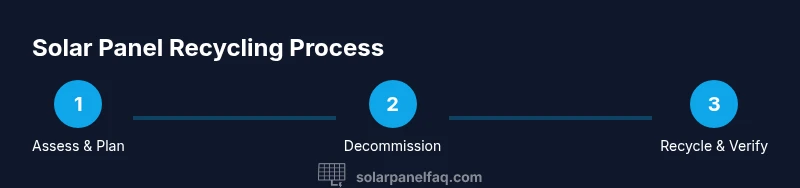
Can you recycle solar panels? Yes. In most cases, solar panels at end of life are recyclable through specialized programs that recover glass, silicon, metals, and plastics. The Solar Panel FAQ team notes that recycling options vary by region, with modules sent to accredited facilities for material recovery and reuse. The process includes decommissioning, collection, and verified recycling partners.
Why recycling solar panels matters
Solar panels contain glass, aluminum frames, silicon cells, and precious metals. When disposed of carelessly, these materials can contribute to waste streams and environmental harm. Recycling helps recover usable materials for new products, reduces the need for raw material extraction, and cuts energy use associated with manufacturing. For homeowners, choosing recycling reduces the environmental footprint of a home solar system and aligns with sustainable energy goals. Can you recycle solar panels? This is a common question as households seek responsible end-of-life options and long-term stewardship for their solar investments.
What parts are recyclable and how
The main components of a solar panel are glass, aluminum frame, backsheet, junction box, copper wiring, and silicon cells. In a proper recycling stream, glass and aluminum are recovered for reuse, silicon cells are processed for material recovery, and metals like copper and silver paste are reclaimed for manufacturing new modules or other products. The exact recovery depends on technology and facility capabilities, but the overall principle is material separation, safe handling of brittle glass, and controlled processing to recover high-value components.
Regional programs and how to access them
Program availability varies by country, state, and municipality. Some regions offer mandatory take-back programs or extended producer responsibility that ensures end-of-life modules are collected. Others rely on private recyclers or scrap metal facilities. Solar Panel FAQ analysis shows regional variation, so homeowners should start by asking installers, utility programs, and local waste authorities about options, costs, and scheduling. Knowing the local landscape helps you choose the most convenient and credible option.
Preparing panels for recycling: decommissioning and safety
Before removal, shut down the system, isolate the DC and AC circuits, and disconnect any combiner boxes according to manufacturer instructions. Document serial numbers and take photos for records. When removing panels, use proper PPE, avoid striking glass, and minimize breakage risk. Store panels securely to prevent damage during transport. Proper preparation makes the recycling process smoother, faster, and safer for everyone involved.
Costs, timelines, and environmental benefits
Costs for end-of-life recycling hinge on location, program type, and transport logistics. Timelines depend on scheduling with the recycler and the volume of panels. Environmentally, recycling reduces demand for virgin materials, lowers energy use, and minimizes hazardous waste exposure from damaged panels. By participating in recycling, homeowners support a cleaner grid and a circular economy. The environmental benefits compound as more modules are diverted from landfills.
How to choose a recycling partner and what to expect
Look for facilities with credible credentials, documented processes, and transparent reporting. Ask about recycled material outputs, contamination controls, and post-recycling certificates. Reputable recyclers will provide a tracking number and receipts confirming materials sent and processed. Expect to sign consent for decommissioning and to receive a pickup or drop-off plan. Clear communication helps prevent delays and ensures proper documentation for your records.
End-of-life pathways: refurbish, downcycle, or recycle
Some panels that are still functional can be refurbished or tested for reuse in less demanding applications. Panels that are damaged or degraded may be downcycled into other products or shredded for material recovery. Recycling is typically the most comprehensive option, reclaiming high-value silicon, glass, and metals for new modules or other products. When in doubt, prioritize recycling to maximize material recovery and reduce environmental impact.
Common myths and practical alternatives
Myth: all solar panels are equally easy to recycle. Reality: recycling capabilities depend on the panel design and local facilities. Myth: recycling is expensive and not worth it. Reality: long-term environmental and material-cost savings often justify the process. Alternatives include reuse in non-critical settings, donation to training programs, or conversion into art or decorative installations where feasible. Understanding these options helps homeowners make informed choices.
Future trends in solar panel recycling and policy
Policy developments and advanced recycling technologies promise to improve recovery rates and lower costs over time. Investments in better sorting, cleaner chemical processes, and standardized reporting will help homeowners and installers navigate end-of-life options more smoothly. As regulations expand, more regions are offering convenient pathways to recycle solar panels responsibly.
Tools & Materials
- Personal protective equipment (PPE)(gloves, safety glasses, hard hat, high-visibility vest)
- Basic hand tools(screwdrivers, pliers, wrenches)
- Ladder and fall protection(for rooftop panels, hire professional; use harnesses)
- Transport container or pallet(strong crate or pallet with securing straps)
- Documentation folder(manuals, serial numbers, recycling orders)
- Protective wrap and packaging(bubble wrap, cardboard, foam to prevent breakage)
Steps
Estimated time: 2-4 weeks
- 1
Assess your array and plan decommissioning
Review system documentation and set goals for decommissioning. Confirm panel numbers, mounting type, and access routes. Create a simple checklist to track tasks and avoid missed steps.
Tip: Coordinate with the installer to align on the best decommissioning approach. - 2
Shut down and isolate the system
Turn off the DC disconnect and AC breaker as per the manufacturer instructions. Use a multimeter to verify there is no live voltage before touching any components.
Tip: Do not work on live circuits; isolating power reduces shock risk. - 3
Document and label panels
Photograph each panel, note serial numbers, and group panels for transport. Label everything clearly to assist the recycling partner in tracking materials.
Tip: Keep a digital backup of your labels and photos. - 4
Remove panels from mounting rails
Carefully detach panels from racking using appropriate tools. Avoid bending or scraping the glass; place removed panels on a padded surface.
Tip: Work with a partner to handle heavy panels safely. - 5
Prepare panels for transport
Wrap panels to prevent glass breakage, and secure them in a crate or on a pallet. Use packing material to cushion edges and prevent movement.
Tip: Do not stack panels corners-to-edges without protection. - 6
Choose a recycling partner and schedule pickup
Contact accredited recyclers, request a materials list, and agree on pickup or drop-off logistics. Obtain written instructions on packaging and documentation.
Tip: Ask for a recycling manifest or tracking number for proof of processing. - 7
Transport and handover
Deliver the panels to the agreed facility or await pickup. Ensure the transport method complies with local regulations and safety requirements.
Tip: Do not mix solar panels with regular waste streams during transport. - 8
Verify processing and preserve receipts
Obtain a receipt or certificate of recycling and verify the facility processed the materials as described. Store the documentation for your records and potential audits.
Tip: Keep digital copies of documentation along with the physical receipts.
Frequently Asked Questions
Are solar panels recyclable in all regions?
Accessibility varies by region. Many areas have accredited facilities or take-back programs, but access and process details differ. Check with local authorities, installers, and recycling partners for current options.
Access to solar panel recycling varies by region; check local options with installers or authorities.
What materials are recovered during recycling?
Recycling typically recover glass, aluminum frames, copper wiring, and silicon components. Some metals and printed conductors are reclaimed for reuse in new modules or other products.
Glass, aluminum, copper, and silicon are commonly recovered during recycling.
Does my warranty affect recycling options?
End-of-life recycling generally does not void warranties, but decommissioning should follow manufacturer instructions. Consult your installer or manufacturer for any warranty implications.
Recycling usually doesn't affect warranties, but follow decommissioning guidelines.
What if there isn’t a local program nearby?
If no local program exists, contact manufacturers, certified recyclers, or regional waste authorities for alternatives like mail-back options or cross-border recycling providers.
If no local program exists, ask installers or regional authorities about alternatives.
How long does the recycling process take?
Processing times depend on scheduling, transport, and facility capacity. Plan ahead and confirm timelines with the chosen recycler to avoid delays.
Processing times vary; coordinate with the recycler for expected timelines.
Is it safe to remove panels myself?
Panel removal involves electrical safety risks. It is typically safer to hire trained technicians or follow manufacturer decommissioning guidelines precisely.
Do not DIY if you are not trained; professional help is recommended.
Watch Video
Top Takeaways
- Understand recycling is feasible with proper partners
- Plan decommissioning early to avoid delays
- Document panels thoroughly for traceability
- Choose credible recyclers with transparent reporting
- Keep up with regional program options for access