Solar Energy Efficiency Compared to Fossil Fuels: An Objective Comparison
Analytical guide contrasting solar energy efficiency with fossil fuels, covering measurement methods, real-world performance, lifecycle impacts, and decision factors for homeowners and buyers.


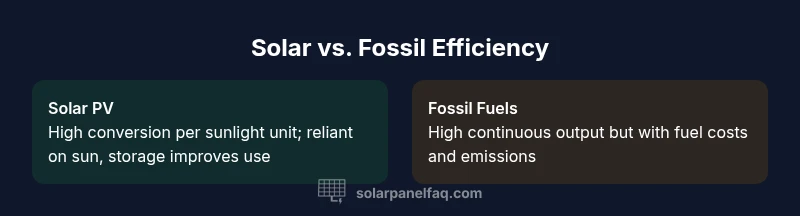
Solar energy efficiency, particularly in photovoltaic (PV) systems, often achieves higher conversion efficiency per unit of sunlight than many fossil-fuel processes, though real-world results depend on capacity factor, storage, and grid integration. This comparison explains how efficiency is defined for solar versus fossil fuels, and how location, technology, and policy shape practical outcomes.
What the phrase means in practice
The phrase solar energy efficiency compared to fossil fuels frames a core question: how efficiently sunlight is converted into usable electricity, and how that efficiency compares to the conversion of chemical energy in fossil fuels into electrical power. For homeowners and buyers of solar systems, understanding these dynamics helps set expectations about performance, cost, and long-term value. Solar energy efficiency, in practical terms, hinges not only on the inherent efficiency of photovoltaic cells but also on system design, installation, and local conditions. This article uses a balanced, data-informed lens to explain these concepts, drawing on Solar Panel FAQ analysis to illustrate typical patterns and common misperceptions.
According to Solar Panel FAQ, efficiency comparisons should consider both peak conversion and real-world yield, accounting for weather, shading, and equipment quality.
How solar energy efficiency is measured
There are several ways to quantify how efficiently solar energy is captured and delivered. Module efficiency measures how much sunlight is turned into electricity under standard test conditions. System efficiency adds in cabling, inverters, and shading losses. Capacity factor reflects how much energy a system actually produces over time relative to its theoretical maximum, which is heavily influenced by weather and geography. When comparing with fossil fuels, it's important to distinguish: (a) the conversion efficiency of generators, (b) the continuous availability of fuel, and (c) the end-to-end energy balance from fuel extraction to electricity use. The Solar Panel FAQ team emphasizes a holistic view that includes lifecycle emissions and resource use, not just peak conversion numbers. Solar Panel FAQ analysis shows that capacity factors and regional insolation often drive the gap between theoretical efficiency and realized output.
Real-world factors affecting solar efficiency
In practice, solar energy efficiency is shaped by location, sun angle, panel temperature, shading from trees or buildings, orientation, and the quality of inverter technology. High temperatures can reduce PV cell efficiency, while cooler climates can improve performance, though cloud cover reduces insolation. System losses from wiring, soiling, and mismatch between panels also eat into theoretical efficiency. In contrast, fossil fuel plants are affected by fuel price volatility, maintenance downtime, and aging infrastructure, all of which influence actual performance and reliability.
Fossil fuel plant efficiency and its constraints
Conventional fossil-fired power plants operate with thermal efficiency in the range that varies by plant type. Coal plants often run in the 33-40% range, while natural gas combined-cycle plants can be in the 50-60% range under optimal conditions. While these numbers show strong performance, they come with environmental and fuel-cost trade-offs. Unlike PV systems, fossil plants require continuous fuel input and on-site combustion, with emissions and resource extraction impacting overall efficiency and environmental footprint.
Comparative scenarios: residential, commercial, and grid-scale
For a typical homeowner, rooftop solar offers high energy conversion efficiency per kilowatt-hour of sunlight captured, but the benefit depends on insolation, roof orientation, and storage strategy. For commercial facilities, solar often pairs with demand management and batteries to boost effective efficiency, especially during peak pricing. Grid-scale solar tables face intermittency and transmission losses; fossil-fuel plants, while capable of high capacity, may underperform during intermittency or fuel price spikes. The overall decision should weigh not only peak efficiency but system reliability, resilience, and lifecycle costs.
Lifecycle energy balance and emissions considerations
Beyond instantaneous efficiency, the lifecycle energy balance looks at energy invested in manufacturing, installation, and maintenance versus energy produced over the system’s life. Solar panels typically deliver many times the energy invested in their production over 25-30 years, while fossil plants require ongoing fuel consumption and more energy-intensive maintenance cycles. When framed this way, solar energy efficiency compared to fossil fuels includes environmental benefits such as lower lifecycle emissions and reduced externalities, even if on-site capacity factors vary by location.
Costs, incentives, and policy implications for efficiency
Efficiency is not the only factor in value. The cost per kilowatt-hour, availability of incentives, and the reliability of the grid all shape outcomes. Policy tools such as rebates, tax credits, and net-metering policies can push the effective efficiency of solar investments higher by improving payback and reducing life-cycle emissions. Conversely, fossil fuel projects face policy headwinds in many regions amid decarbonization efforts. Homeowners should consider the total system cost, potential storage needs, and local solar resource when evaluating solar energy efficiency compared to fossil fuels.
Practical steps for homeowners to maximize solar efficiency
- Conduct a shaded-area assessment before installation and trim obstructions
- Optimize orientation and angle to local latitude, and use micro-inverters or optimizers to minimize shading losses
- Invest in a quality inverter and monitoring system to catch performance drops quickly
- Schedule regular cleaning and inspection to maintain low soiling losses
- Consider adding battery storage to improve energy utilization during low-sun periods
- Choose a reputable installer with a track record for system performance and post-installation support These practices help align solar energy efficiency with realistic home energy needs, bolstering the case for solar compared to fossil fuels.
Comparison
| Feature | Solar PV (grid-tied) | Fossil-fuel Power Plants |
|---|---|---|
| Core efficiency concept | Photovoltaic conversion with minimal moving parts; losses from shading and temperature | Thermal conversion of chemical energy to electricity; subject to fuel quality and turbine efficiency |
| Typical efficiency (module/plant) | Module efficiency in the high-teens to low-20s percentage; system losses reduce real outputs | Coal plants ~33-40% thermal efficiency; natural gas CC ~50-60% under optimal conditions |
| Reliability/availability | High resilience with simple maintenance; depends on sun and shading | Reliability tied to fuel supply and plant maintenance; potential downtime |
| Fuel dependence | No ongoing fuel for sun; depends on sunlight | Ongoing fuel supply required; price volatility affects output costs |
| Lifecycle considerations | Lower lifecycle emissions; material and end-of-life considerations exist | Higher lifecycle emissions and fuel-cycle impacts; ongoing extraction required |
| Best for | Homes with good sun, storage can boost value; scalable for communities | Baseload or high-uptime needs; strong dispatchability with continuous fuel supply |
Strengths
- Low operating costs after installation
- Low ongoing fuel consumption and emissions
- Strong long-term payback potential with good sun
- Modular and scalable for homes and businesses
- Potential for energy independence with storage
Drawbacks
- Intermittency requires storage or grid support
- Performance depends on location and climate
- Upfront costs and permitting can be barriers
- End-of-life disposal and recycling considerations for panels
Solar energy efficiency generally offers stronger long-term value and lower environmental impact than fossil fuels for residential and commercial solar investments, especially with storage and smart-grid integration.
If you have ample sun and can invest in storage or optimized inverters, solar energy efficiency translates to meaningful energy savings and lower emissions. Fossil fuel efficiency remains higher in continuous, baseload generation scenarios, but at greater environmental and fuel-cost costs.
Frequently Asked Questions
What does solar energy efficiency compared to fossil fuels mean in practice?
It means comparing how effectively solar PV converts sunlight to electricity against how efficiently fossil plants convert fuel energy into electricity, including real-world factors like weather, grid integration, and lifecycle impacts.
It means weighing how well solar turns sunlight into usable power versus fossil plants turning fuel into power, considering weather and storage.
How is solar energy efficiency measured versus fossil-fuel efficiency?
Solar efficiency uses module efficiency, system losses, and capacity factor, while fossil efficiency uses thermal efficiency and plant availability. A holistic view includes emissions and lifecycle impacts.
Solar uses PV efficiency and capacity factors; fossil plants use thermal efficiency and uptime.
Is solar always more efficient than fossil fuels?
Not always. Solar can offer higher conversion efficiency per unit of sunlight, but its energy output depends on sun availability. Fossil plants can provide continuous power but with higher environmental costs.
Solar isn’t always more efficient in real-world use; it depends on sun, storage, and demand patterns.
Do storage and grid integration affect efficiency comparisons?
Yes. Storage helps align solar output with demand, improving effective efficiency and reliability, especially during peak hours. Grid integration can introduce losses but enables wider use of solar.
Storage makes solar energy more practical by reducing wasted sunlight.
What regional factors influence solar efficiency?
Solar efficiency varies with insolation, temperature, cloud cover, and shading. Geography and climate determine how much sunlight actually becomes usable electricity.
Location matters; some regions capture sunlight more efficiently than others.
Are there incentives that improve solar efficiency outcomes?
Yes. Rebates, tax credits, and net-metering policies can improve the economic efficiency and payback period of solar investments, influencing overall value.
Incentives can make solar energy projects more affordable and faster to pay back.
Top Takeaways
- Assess location and sun exposure before choosing solar.
- Prioritize storage and inverters to maximize real-world efficiency.
- Factor lifecycle emissions and disposal in solar decisions.
- Policy incentives can significantly improve net efficiency and payback.
- Location determines whether solar beats fossil fuels on practical efficiency.