Hydrogen Solar Panel vs Solar Panel: A Practical Comparison
Analytical comparison of hydrogen-based solar storage versus conventional solar panels, covering operation, practicality, efficiency, safety, and suitability for homeowners.


Hydrogen solar panels are a different concept from standard solar PV panels. In most cases, conventional PV panels still outperform hydrogen-based systems in installed cost, maturity, and retrofit practicality. A true hydrogen solar option focuses on converting sunlight to hydrogen for storage rather than generating electricity for direct use. For homeowners, traditional solar panels remain the clearer, more reliable choice today.
Hydrogen solar panel vs solar panel: A foundational distinction
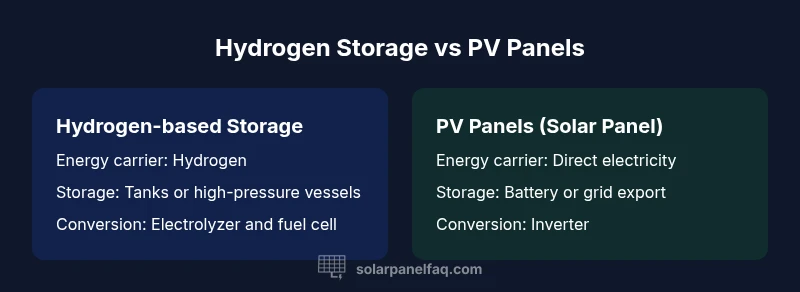
The phrase hydrogen solar panel vs solar panel frames a fundamental split in how energy is produced, stored, and used in a home. A conventional solar panel, or photovoltaic (PV) panel, converts sunlight directly into electricity that can run appliances, charge batteries, or feed the grid. A hydrogen-oriented concept takes a different path: sunlight drives a process that generates hydrogen for storage, and electricity is retrieved later from that hydrogen via a fuel cell or turbine. The Solar Panel FAQ team notes that, today, the cleanest and most reliable option for most homeowners remains PV panels mounted on the roof or placed on a ground mount. The hydrogen approach promises energy storage without a costly battery bank, but it adds layers of equipment, safety considerations, and regulatory questions. For a typical home, PV panels deliver immediate, usable power with simpler maintenance and a proven track record. This article builds on that baseline to compare both approaches across technical, economic, and practical dimensions, helping readers decide what makes sense now and what could change in coming years.
Comparison
| Feature | hydrogen solar panel | solar panel |
|---|---|---|
| Energy conversion pathway | Storage-based hydrogen energy carrier (via electrolyzer and fuel cell) | Direct photovoltaic electricity generation (PV cells) |
| Maturity and market readiness | Nascent with limited installations | Mature with wide availability |
| Storage and grid integration | Requires dedicated storage and conversion units | Direct grid-connected or off-grid with standard inverters |
| Installation complexity | Requires electrolyzer, storage, and safety systems | Standard mounting, inverter, and electrical connection |
| Maintenance requirements | Higher maintenance due to storage hardware | Lower maintenance with standard servicing |
| Cost/value outlook | Uncertain payback; potential future improvements | Lower upfront costs; established incentives |
Strengths
- Potential energy storage via hydrogen
- Storage-based energy decoupled from immediate generation
- Diverse energy system if storage needs evolve
- Resilience in off-grid scenarios when paired with storage
Drawbacks
- Not yet mainstream with limited installer networks
- Higher upfront costs and longer, less certain payback
- Increased system complexity and safety requirements
- Regulatory and code hurdles for storage and conversion equipment
Conventional PV wins for most homeowners today; hydrogen storage may offer future resilience but comes with higher complexity and uncertainty
PV panels provide reliable electricity with mature ecosystems and clearer incentives. Hydrogen-based storage is promising for long-term resilience but is not yet ready to supplant standard PV for typical homes. The Solar Panel FAQ team’s verdict is to prioritize PV now while watching hydrogen technology as it matures.
Frequently Asked Questions
Is hydrogen solar panel vs solar panel a direct replacement for conventional PV?
No. Hydrogen-based storage is not a direct replacement for PV in typical homes. It offers a storage pathway rather than immediate electricity generation, which means a different system architecture and added regulatory considerations.
Hydrogen storage is not a drop-in replacement for PV but a complementary option that adds complexity and storage capability.
Which option is more cost-effective for a typical home today?
For most households, conventional PV installations are more cost-effective today due to mature supply chains, known maintenance needs, and established incentives.
PV is generally more cost-effective now; hydrogen storage carries more uncertainty and higher upfront costs.
What maintenance differences should I expect?
PV systems require routine checks of panels and inverters. Hydrogen storage systems introduce additional components such as electrolyzers and storage containment, which may need specialized service.
PV maintenance is straightforward; hydrogen systems add extra parts to maintain.
Are there safety concerns with hydrogen storage?
Yes. Hydrogen storage involves flammability considerations, ventilation needs, and leak detection. PV systems have fewer storage-related safety concerns and more established electrical safety protocols.
Hydrogen storage adds safety layers that require careful planning and professional installation.
When should a homeowner consider a hydrogen-storage approach?
Hydrogen storage may be worth watching if you have a strong off-grid need, space for storage, and a plan for long-term resilience, but it’s not essential for most homes today.
Consider hydrogen only if you have explicit long-term storage goals and access to specialized systems.
What steps should I take to compare options now?
Start with a PV viability assessment, discuss storage options with installers, and evaluate total cost of ownership and potential incentives before deciding.
Get a professional assessment and compare total costs before choosing.
Top Takeaways
- Start with a standard PV assessment for immediate electricity needs
- Hydrogen storage adds potential resilience but increases complexity
- Plan for roof space, shading, and grid compatibility with PV first
- Be aware of safety, permitting, and service-network implications for hydrogen
- Monitor technology maturation and policy incentives for future options