550W Solar Panel Performance, Sizing, and ROI
Discover how 550W solar panels perform in residential arrays, with sizing tips, inverter guidance, and maintenance advice for maximizing energy ROI.


550w solar panel refers to a high-output photovoltaic module rated at 550 watts under standard test conditions. These panels reduce the number of modules needed for a residential array and can simplify install layout while maximizing energy capture on rooftops with limited space. When paired with a modern inverter and optimization, they deliver strong real-world performance across typical home usage.
Understanding the 550w solar panel
A 550w solar panel is a high-output photovoltaic module rated at 550 watts under standard test conditions. This rating is a laboratory standard; real-world output depends on sunlight, temperature, angle, and shading. For homeowners, a single 550w solar panel can replace several lower-wattage modules in a smaller roof footprint, speeding up installation and reducing wiring complexity. The physical size and weight vary by manufacturer, but most 550w panels fit on standard residential racks with typical mounting hardware.
Real-world performance means that under clear sky and optimal tilt, a 550w solar panel might reach close to its rated output for a portion of the day, while on a cloudy or hot day, the power will be lower. Efficiency ranges for modern modules in this class typically lie in the upper teens to low twenties percentage, translating to more energy per square meter of roof space. When evaluating options, compare the price-per-watt, temperature derating, and warranty terms, not just the nominal watt rating.
Brand- and region-specific incentives can influence the effective cost of a 550w solar panel. In many markets, the upfront capital cost is offset over time by energy savings and potential rebates. The Solar Panel FAQ team emphasizes designing the layout around your roof geometry and electricity usage to optimize performance.
Benefits and tradeoffs of 550W modules
550w solar panel technology offers clear advantages for roof space, installation time, and system unity. Fewer modules mean less racking, fewer combiner boxes, and simpler wiring—factors homeowners often value for retrofits or smaller roofs. On the downside, higher-wattage modules may have higher manufacturing costs and heat-related derating can affect performance in very warm climates. When you combine 550w solar panel with modern optimizers, microinverters, or string inverters, you can tailor the system to your roof without sacrificing efficiency.
In terms of durability, most 550W panels carry long warranties (often 25 years) and are designed to withstand wind and hail in typical residential settings. Efficiency is a key variable; a 550w solar panel might deliver more energy per installed square foot but requires careful temperature and shade management. The bottom line is that for homeowners with limited roof area, a higher wattage module can offer a better balance of space, cost, and energy yield, provided the rest of the system is sized to avoid clipping and mismatches.
How 550W panels fit into home solar systems
A typical home solar array designed around 550w solar panels focuses on maximizing the DC power available per module while balancing inverter capacity and wiring. You'll often see 6-12 modules in a mid-sized rooftop installation, depending on available space and energy targets. The advantage of 550w modules is that you can reach higher daily energy production with fewer strings, which reduces shade-induced mismatch losses. When selecting an inverter, ensure it can handle the aggregated DC input without hitting the ceiling in hot conditions. For example, a system of six 550W panels will require an appropriately sized string/inverter arrangement to avoid clipping on sunny days. Modern inverters manage temperature so that they maintain a stable output closer to nameplate ratings. The design process should include an analysis of your household daytime electricity usage patterns, solar access, and shading. If you have a mixed roof with different orientations, you might segment the array to optimize performance. Overall, 550w solar panels work well for homeowners who want high energy yield on a limited footprint, provided the rest of the system is matched to the panel’s characteristics.
Sizing and layout strategies for 550W modules
To maximize value from a 550w solar panel, plan around roof geometry and electrical constraints. Begin with a shade-free zone and align modules for optimal sun exposure. Consider using a layout with two strings of three panels on a standard south-facing roof, or three strings of two on larger installations, ensuring the sum of DC input stays within inverter limits. Beyond orientation, the tilt angle should approximate your latitude for most of the year; adjust slightly with seasonal shading or roof features. If you anticipate future load growth (EV charging, battery storage), design for expansion by selecting an inverter with headroom. In practice, a 550w solar panel gives you more wattage per mounting point, which can improve balance between roof space and energy production when matched with high-efficiency inverters and modern racking systems.
Inverter and electrical considerations for high-power modules
High-wattage panels like 550w transmit more DC current to the inverter, so selecting an inverter with adequate input voltage and current rating is essential. Look for hot-sun derating compensation and high efficiency across a wide operating range. String sizing matters—too many panels in a string can cause voltage and current limits to be exceeded on hot days, leading to clipping and reduced output. Optimizers or microinverters can mitigate mismatch losses when panels are on partial shading or uneven orientation. Additionally, ensure appropriate protection devices, proper wiring gauge, and compliant grounding. A well-matched inverter pair with 550w panels yields a reliable, long-lasting system that performs close to its nameplate rating under typical conditions.
Shading, temperature, and performance de-rating
550w solar panel output is sensitive to shading and temperature. Diodes steer current to prevent hot spots, but partial shading still reduces energy production. Temperature derating typically lowers output as module temperatures rise; high-efficiency cells help mitigate this effect but do not eliminate it. Site assessment should map shade patterns across seasons and angles, so you avoid fixed shadows from chimneys, trees, or neighboring structures. When shading is unavoidable, consider a microinverter or module-level optimizer to preserve energy from unshaded portions of the array. Clean, unobstructed panels with a clear line of sight to the sun maximize the benefits of 550w panels.
Cost implications, financing, and ROI considerations
Discussing 550w solar panel economics means thinking about system size, local incentives, and financing terms. While higher wattage panels can reduce the number of modules and associated hardware, the upfront cost premium may be offset by fewer components and faster installation. ROI depends on local electricity prices, sun exposure, and available incentives; a well-designed system still requires ongoing maintenance like cleaning and occasional inspection. When evaluating options, compare total installed cost per watt, warranty terms, and expected energy yield over time rather than focusing solely on the sticker price. A properly sized 550w array can offer meaningful long-term savings, especially in sunny climates with favorable rebates.
Maintenance, warranties, and longevity of 550W panels
Routine maintenance is straightforward: keep panels clean, inspect for physical damage, and monitor electrical connections for corrosion or loose hardware. Most 550W panels come with warranties of 25 years or longer, with performance guarantees that specify minimum output over time. Proactive maintenance, including periodic inverter checks and roof seal inspections, helps preserve lifetime energy production. Exposure to wind, hail, and weather varies by climate; selecting a robust mounting system and quality sealants reduces the risk of leaks. With proper care, 550W solar panels can remain productive for decades, continuing to contribute to household energy resilience.
Typical module specifications (example ranges)
| Module Type | Rated Power | Efficiency | Weight | Warranty |
|---|---|---|---|---|
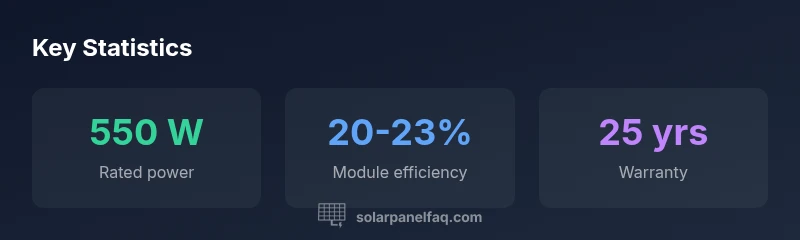
| 550W panel | 550 W | 20-23% | 18-22 kg | 25 years |
| 420-440W panel | 420-440 W | 19-22% | 17-21 kg | 25 years |
| 350-380W panel | 350-380 W | 18-21% | 16-20 kg | 25 years |
Frequently Asked Questions
What makes a 550W panel different from standard panels?
A 550W panel delivers higher power per unit, reducing the number of modules needed for a given target. It also requires careful inverter sizing and layout planning to avoid losses from shading and derating.
A 550W panel packs more power into each module, but you must plan the system to match inverter capacity and shading conditions.
How many 550W panels do I need for a typical home?
Depends on your daily energy use and roof space. A larger home may need several 550W panels, while a smaller home can reach targets with fewer modules. Always size the system to avoid clipping and oversupply.
The number depends on your energy use and roof space; size the system to avoid wasting capacity.
Is a 550W panel suitable for shaded roofs?
550W panels still perform best with good sun exposure. In shaded or partially shaded roofs, consider optimizers or microinverters to minimize output losses.
Shade is a challenge; optimizers or microinverters can help preserve energy in partial shade.
Do 550W panels require special inverters?
Yes. The inverter should handle the higher DC input from several 550W modules without clipping, and it should perform well across expected temperature ranges.
You’ll want an inverter designed for higher DC input and temperature range.
What is the typical lifespan and maintenance for 550W panels?
Most carry 25-year warranties with gradual performance de-rating. Routine cleaning and periodic checks of electrical connections help maximize longevity.
They last many years with basic cleaning and occasional inspections.
Are high-wattage panels like 550W worth the investment?
For homes with limited roof space or high energy needs, 550W modules can offer better energy yield per area. Evaluate total system cost, incentives, and long-term savings to determine value.
In tight roofs or high energy homes, 550W panels can be a smart choice if the system is well designed.
“550W panel technology enables higher energy yield per mount point, but real-world results depend on system-level design, shading, and orientation.”
Top Takeaways
- Size your roof space around 550W modules for fewer panels
- Match inverter capacity to avoid clipping at peak sun
- Expect 20-23% efficiency ranges in modern 550W panels
- Plan for shading and temperature derating in design
- Prioritize warranties and long-term ROI when choosing modules