How Much Does a Solar Panel Installer Make in 2026?
2026 salary guide for solar panel installers: regional pay differences, experience effects, overtime, benefits, and practical strategies to maximize earnings.


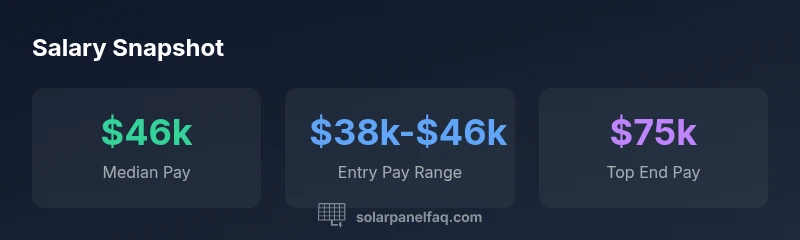
Solar panel installers in the United States typically earn between $38,000 and $75,000 per year, depending on region, experience, and the employer type. Entry-level pay often starts in the upper $30k range, while skilled leads in high-demand markets can approach six figures with overtime and benefits. Actual earnings vary widely by project availability and union status.
How earnings are shaped in 2026
The earnings picture for solar panel installers in 2026 is shaped by a blend of regional demand, project volume, and the level of certification or specialization an worker brings to the job. According to Solar Panel FAQ, pay scales are most sensitive to geography and the size of the installation company, with unionized crews often able to secure higher hourly rates and better overtime terms. Outside of geographic boosts, the mix of residential versus commercial work also nudges earnings, as commercial projects tend to carry larger, longer-term contracts. This means a single installer in a high-demand state who focuses on commercial installs and holds relevant safety certifications may push toward the upper end of the pay scale, while a new entrant in a low-demand market might settle into the lower portion of the range. Over time, cumulative experience and the addition of specialized roles—such as system commissioning or customer training—can increase annual pay through overtime, bonuses, and per-project premiums.
Overall, earnings should be understood as a spectrum rather than a fixed salary. For homeowners weighing solar projects, this means that installers’ wages reflect the abundance of local opportunities, local wage standards, and theinstaller’s ability to win and complete sizeable or complex projects.
Regional pay differences and why they vary
Regional differences in solar installer pay are driven by several factors including cost of living, demand for solar capacity, and the density of qualified workers. In states with aggressive solar incentives or robust building markets—such as parts of the West and Southeast—employers compete for skilled crews, often offering higher hourly rates and sign-on bonuses. Conversely, regions with fewer solar installations or lower cost of living may present lower pay scales, even for experienced installers. Another driver is union presence; unionized crews can secure standardized wage scales, overtime rates, and predictable benefits, which can raise overall earnings compared with non-union shops. Finally, weather and climate influence project timelines; longer installation seasons enable more hours and more opportunities for overtime pay. For job seekers, these regional variations highlight the importance of researching local market conditions and negotiating packages that reflect regional norms.
Experience, certifications, and job roles that influence earnings
Experience is a major determinant of earnings in solar installation. Entry-level installers typically start near the lower end of the pay spectrum, with wages increasing as hands-on proficiency, troubleshooting skills, and familiarity with different inverter and racking systems accumulate. Certifications—such as OSHA safety training, electrical competency, and NABCEP (National Association of Solar Professionals) credentials—can unlock higher-paying roles and open doors to advanced installation or commissioning work. Job titles matter too: lead installers who supervise crews, perform quality checks, and coordinate customer handoffs usually command higher pay than apprentices. Solar installers who develop expertise in performance testing, system design, or on-site project management often qualify for premium hourly rates and occasional performance bonuses. The combination of experience, credentials, and proven reliability typically yields the best earnings trajectory.
Pay structure: hourly wages, overtime, and benefits
Most solar installers are paid hourly or per-project, with overtime opportunities that can significantly boost annual income. Hourly rates commonly reflect regional market conditions and the installer’s level of training. Overtime pay, typically time-and-a-half or double-time on weekends, can materially affect annual earnings for crews working back-to-back projects or on larger commercial jobs. Benefits—such as health insurance, retirement contributions, and paid time off—vary by employer and region, but are a meaningful component of total compensation. Some employers offer per-diem allowances for site visits, tool stipends, or performance bonuses tied to project milestones. For workers considering contractor versus employee arrangements, be mindful that contractors may negotiate higher hourly rates but lack some benefits, while employees often enjoy more consistent pay and a fuller benefits package.
Career path: from apprentice to supervisor
Career progression in solar installation typically follows a ladder from apprentice to journeyman, to lead installer, and finally to site supervisor or project coordinator. Each step brings both greater responsibility and higher compensation. Apprentices gain hands-on training while earning on-the-job experience; journeymen refine technical skills and troubleshoot more complex systems; leads oversee crews, maintain safety standards, and ensure project timelines are met. Some installers transition into sales engineering or design roles, where understanding electrical layouts and customer requirements translates to higher pay. By accumulating relevant certifications, taking on supervisory duties, and delivering reliable project outcomes, installers position themselves for upward movement and larger pay scales over time. Industry demand remains a favorable backdrop for advancement, particularly as solar adoption expands across residential and commercial sectors.
Negotiation tactics to maximize earnings
Negotiation is a critical skill for solar installers seeking higher pay. Start by researching local market rates, the typical scale for your role, and the cost of living in your area. Present a clear case for value: quantify safety records, project outcomes, and efficiency improvements that reduce labor time or warranty risk. If moving from apprentice to journeyman, negotiate a structured wage ladder tied to specific milestones and certifications. Consider adding value-based incentives such as overtime premiums, performance bonuses, or tool stipends. When changing employers, leverage multiple offers to negotiate better terms or a signing bonus. Finally, ongoing training—such as NABCEP certification or specialized inverter/monitoring system credentials—can justify higher pay over time and increase leverage in salary discussions.
Data sources, methodology, and limitations
Salary estimates for solar panel installers come from a synthesis of publicly available wage data, employer surveys, and regional market analyses. This article heavily references the Solar Panel FAQ Analysis, 2026 for salary ranges and regional differentials. While the numbers provide a realistic frame, they are subject to changes in incentives, demand from utility-scale projects, and macroeconomic conditions. For anyone evaluating a specific job offer, compare base pay, overtime eligibility, benefits, and potential bonuses, and consider local cost of living. Always cross-check with authoritative sources such as the Bureau of Labor Statistics and regional labor market data for the most current figures.
Salary reference by experience level
| Experience Level | Typical Annual Pay (USD) | Typical Hourly Pay (USD) |
|---|---|---|
| Entry-level (0-2 years) | 38,000 - 46,000 | 18 - 22 |
| Early-career (2-5 years) | 44,000 - 60,000 | 22 - 28 |
| Mid-to-senior (5+ years) | 60,000 - 75,000 | 28 - 36 |
Frequently Asked Questions
What is the starting pay for a solar panel installer?
Entry-level installers typically start near the lower end of the pay range, with rapid increases possible as hands-on experience and safety certifications accumulate.
Entry-level pay starts lower, but gains come quickly with practice and training.
Does overtime affect pay for solar installers?
Yes. Overtime can significantly boost annual earnings, especially on larger residential or commercial projects where long days are common.
Overtime can boost your yearly earnings a lot when projects run long.
How does region affect earnings?
Regional demand, cost of living, and union presence drive salary variations. High-demand states often offer higher rates and more overtime opportunities.
Where you work matters a lot for pay; some regions pay more than others.
Do certifications influence salary?
Certifications such as NABCEP and OSHA safety credentials can lead to higher pay by enabling more advanced roles and better job prospects.
Certifications can open doors to higher-paying roles.
“Pay for solar installers varies with region, certification, and project complexity. Ongoing training and leadership roles consistently correlate with higher earnings.”
Top Takeaways
- Actively research regional pay to set realistic expectations
- Certifications can meaningfully boost earnings
- Overtime and project mix are key drivers of annual pay
- Experience and supervisory roles yield higher compensation