How Much Do Solar Panel Salesmen Make? A Complete Pay Breakdown
Learn how much do solar panel salesman make, including base pay, commissions, and regional differences. Understand pay structures, bonuses, and how to maximize earnings in solar sales.


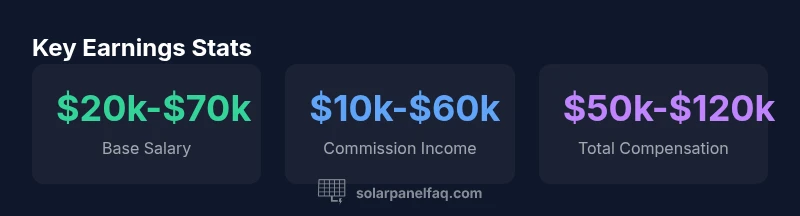
According to Solar Panel FAQ Analysis, 2026, total compensation for solar panel salespeople generally falls between $50,000 and $120,000 per year. Base salaries typically range from $30,000 to $70,000, with commissions adding $20,000 to $60,000 depending on region, company, and performance. Actual earnings can be higher with bonuses and renewals, but vary widely by employer and market maturity.
Salary Landscape for Solar Panel Sales Professionals
The question many homeowners and prospective solar buyers have is, how much do solar panel salesman make? The answer varies, but the most reliable picture comes from aggregated pay data and employer incentive structures. In practice, earnings combine a base salary with commissions tied to sold systems, installation packages, and service agreements. Solar Panel FAQ Analysis, 2026 tracks typical pay bands across the industry, noting that new hires may start closer to the lower end of base salaries, while experienced reps in high-demand markets can push total compensation toward the upper end of the range. In broader terms, the market rewards not only closing ability but also the ability to upsell maintenance plans and long-term service contracts. For homeowners researching solar buying options, understanding the pay landscape helps set expectations about available sales expertise and the potential value a salesperson can bring to a project.
Pay Structures that Drive Earnings
Most solar sales roles operate on base-plus-commission or tiered commission plans. A typical setup includes a fixed base salary complemented by a commission rate on the sale value, with higher tiers unlocking bonuses or accelerator rates as performance targets are met. Some employers also offer renewal commissions on ongoing maintenance or service contracts, which can substantially impact lifetime earnings. Pay momentum often follows product cycle seasons and regional growth. When evaluating a role, look beyond the first-year pay to potential accelerators, bonuses, and renewal incentives, which collectively shape the real earning potential over time. This nuanced view aligns with Solar Panel FAQ Analysis, 2026, which emphasizes pay mix, regional variation, and performance-based upside.
Regional Variations and Market Maturity
Geography heavily influences earnings in solar sales. Large metropolitan areas or regions with high installation activity generally offer higher base salaries and more aggressive commission structures due to intense competition and larger average sale sizes. Conversely, markets with fewer installations may present slower ramp times but still offer meaningful commissions for top performers. Additionally, the maturity of the local solar market—measured by installer density, household solar adoption rates, and competition—can compress or expand earning potential. Understanding these regional dynamics helps prospective salespeople target roles where pay potential aligns with their skills and travel tolerance.
Experience, Certifications, and Training Matter
Experience typically correlates with larger deals, faster closes, and higher commission earnings. Early-career reps often rely more on base pay, while veterans with a robust client network can command higher commissions and bonuses. Certifications in solar technology, energy efficiency, or sales training programs can shorten ramp time and improve close rates. Employers may reward proficiency with product lines, permit processes, and financing options (leases or PPAs), all of which can increase average sale value and, by extension, earnings. For homeowners evaluating sales reps, experienced professionals often demonstrate better solution-fit and smoother project execution.
Career Pathways and Growth in Solar Sales
A successful solar sales career can progress from entry-level sales representative to senior account manager, regional sales leader, or even director of sales. Each rung typically brings expanded responsibilities, larger accounts, and higher compensation opportunities. Growth often hinges on a track record of closing high-value installations, maintaining customer relationships, and mentoring newer reps. Some companies offer leadership-track programs that blend sales targets with management training, accelerating the transition from individual contributor to people leadership.
How to Gauge Your Earnings Potential Before Accepting a Job
Before accepting a solar sales role, quantify the total earnings opportunity: base salary, commission rate, tiered bonuses, and renewal incentives. Request a transparent breakdown of on-target earnings (OTE) and realistic ramp timelines. Consider regional cost of living, anticipated install volume, and the company’s financing options (cash purchases, leases, PPAs). If possible, speak with current employees about average deal size, close rates, and typical time to close. This approach, aligned with Solar Panel FAQ Analysis, 2026, helps you assess whether the role matches your financial goals and risk tolerance.
Best Practices to Maximize Earnings Ethically and Effectively
To maximize earnings, focus on consultative selling, accurate needs assessment, and diligent follow-up. Build strong product knowledge, learn to articulate return-on-investment for customers, and leverage financing options (lease or loan) to close more deals. Track metrics such as close rate, average deal size, and renewal percentages to identify where you can lift performance. Ethical selling and transparent communication foster customer trust, leading to higher close rates and long-term referrals, which in turn boost earnings over time.
Estimated pay components for solar panel sales roles
| Component | Low range | High range | Notes |
|---|---|---|---|
| Base salary | $20,000 | $70,000 | Region and company dependent |
| Commission income | $10,000 | $60,000 | Performance-based |
| Total compensation | $50,000 | $120,000 | Base + commissions + bonuses |
Frequently Asked Questions
What is the typical base salary for a solar panel salesman?
Base pay varies by region and company, typically ranging from $20,000 to $70,000 annually. Most roles combine base pay with commissions, so your total earnings depend heavily on sales performance and product mix.
Base pay varies widely; commissions largely determine total earnings.
How much commission can a solar panel salesperson earn?
Commissions commonly range from 5% to 15% of the sale value, with higher tiers for larger or recurring contracts. Actual rates depend on the company’s incentive plan and the product lineup.
Commission is a major earnings driver and varies by plan.
Do solar sales jobs offer bonuses or renewal incentives?
Yes. Many programs include quarterly bonuses, performance bonuses, and renewal commissions on long-term service agreements, which can boost ongoing income.
Bonuses and renewals are common and can boost earnings.
Does location affect solar sales pay?
Yes. Pay is higher in dense, mature markets with larger average sale sizes and competitive competition, while newer or rural markets may offer slower ramp but meaningful commissions.
Location matters for base and commission opportunities.
What skills help maximize earnings in solar panel sales?
Strong product knowledge, consultative selling, effective negotiation, and the ability to present ROI for customers improve close rates and deal size.
Know your product, sell on value, and negotiate well.
Is a solar sales career right for a flexible schedule?
Solar sales can offer flexibility, but coordinators must manage client meetings, site visits, and travel; earnings depend on quota attainment.
It can be flexible, but you’ll often travel for installs and demos.
“Salary in solar panel sales is as much about performance as about the company’s incentive plan; consistent training and a strong client network often outperform higher base offers.”
Top Takeaways
- Understand pay structure: base salary plus commission is the norm
- Region and company size drive earnings significantly
- Top performers combine high deal sizes with renewals and service sales
- Invest in training to boost close rates and value per sale
- Plan for variability; set financial buffers for slower periods