Can You Use Solar Panels to Heat Water? A Practical Guide
Discover how solar panels heat water, compare solar thermal and PV-based options, size systems, and plan installation with safety and cost considerations for your home.


Definition: Yes. You can heat water with solar energy using two primary paths. Solar thermal collectors heat water directly, typically for homes with high hot-water demand. Solar photovoltaics (PV) power electric heating or heat pumps that warm water, reducing grid electricity use. Each approach has different installation needs, costs, and climate considerations.
Can you use solar panels to heat water? How it works
The short answer to can you use solar panels to heat water is that there are two distinct pathways. Solar thermal collectors capture heat from the sun and transfer it to a fluid or water that heats a storage tank. Solar PV panels generate electricity to run an electric water heater or a heat pump water heater. Both routes rely on adequate sun, proper sizing, and safe integration with your home’s plumbing and electrical systems. According to Solar Panel FAQ, the best choice depends on your hot-water needs, roof space, and local incentives.
Solar thermal water heating explained
Solar thermal systems use collectors—flat-plate or evacuated-tube—to heat water or a heat-transfer fluid. In active systems, a pump circulates the heated fluid to a heat exchanger inside a storage tank, where heat is stored for later use. Passive variants exist in some configurations. The main advantage is high direct heating efficiency and relatively simple maintenance, though installation can be more complex and requires compatible plumbing and pressure-rated components.
Solar PV-based water heating options
PV-based water heating leverages solar panels to generate electricity that powers a water heater or a heat pump. Heat pumps are particularly efficient because they move heat rather than generate it, delivering hot water with far less electricity than traditional electric heaters. In climates with variable sun, PV can pair with storage and smart controls to maintain reliable hot water year-round.
Sizing and climate considerations
Sizing a solar water system requires understanding daily hot-water usage, the local solar resource, and roof or ground space for panels. In sunny regions, solar thermal collectors can meet most hot-water needs, especially with well-insulated storage and a good heat exchanger. In cooler or cloudier climates, PV-based solutions or hybrids may offer more consistent performance. Both approaches benefit from load-shifting strategies and smart controls to maximize sun capture.
System components you’ll need
A typical solar water system includes collectors (thermal or PV panels), an energy storage or heat-exchange setup, pumps or inverters as needed, thermostatic controls, and safety devices like pressure-relief valves. For PV-based heating, you’ll also need an electrical disconnect, back-up heater, and proper interconnection with power infrastructure. Always ensure compatibility with local codes and electrical standards.
Installation approach and safety considerations
Plan to work with licensed professionals for any plumbing or electrical work. Solar thermal systems require pressure-rated piping, heat exchangers, and proper thermal expansion management. PV-based installations involve wiring the PV array to an inverter, integrating with the water heater, and securing proper grounding and overheat protection. Prioritize leak testing, electrical safety, and code compliance during installation.
Costs, incentives, and savings
Costs vary widely based on system type, roof space, and labor. In general, a solar water heating solution can involve higher upfront costs but potential long-term savings through reduced energy bills and increased home value. Look for local incentives, rebates, or utility programs that can offset capital costs. The exact economics depend on climate, usage, and system efficiency.
Maintenance and long-term performance
Regular inspection of collectors, tank insulation, and piping helps sustain performance. For solar thermal, check antifreeze levels and pump operation; for PV-based systems, clean panels and verify electrical connections. Most issues arise from leaks, poor insulation, or shading. Scheduling periodic professional checkups can prevent costly problems and maintain efficiency.
Next steps: planning your solar water heating project
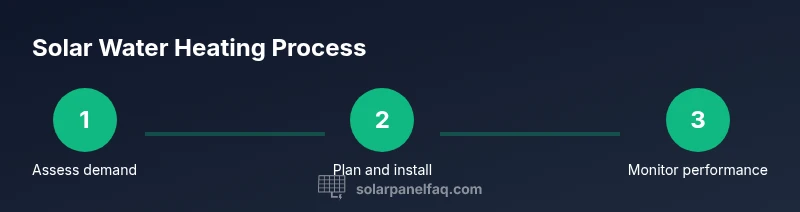
Start with a home energy audit to measure hot-water demand and roof suitability. Compare solar thermal and PV-based options, obtain quotes from qualified installers, and review local incentives. Develop a simple 1-2 page plan that outlines system type, expected savings, and installation timeline.
Tools & Materials
- Solar water heating system (thermal or PV-ready kit)(Choose components compatible with existing plumbing and electrical configurations)
- Safety gear(Goggles, gloves, and appropriate PPE)
- Basic hand tools(Wrenches, pliers, screwdrivers)
- Pipe cutter and deburring tool(Copper or PEX piping tools)
- Leak detector or soapy water solution(Test for leaks after connections)
- Electrical tester and appropriate disconnects(Only for PV-wired setups; hire licensed electrician)
- Thermostatic controls and safety valves(Include pressure relief and check valves)
Steps
Estimated time: 1-3 days
- 1
Assess hot-water demand and climate
Estimate daily hot-water use and consider the local solar resource. This informs whether to use solar thermal or PV-based heating and helps size the storage and insulation. Document peak usage times to maximize solar capture.
Tip: Start with a simple water-use audit and list daily peak times. - 2
Choose the system type
Decide between direct solar thermal heating and PV-powered electric heating. Consider roof space, climate, and willingness to maintain a thermal fluid loop or electrical integration.
Tip: Look for a hybrid approach if you have variable sun exposure. - 3
Check roof capacity and shading
Evaluate roof orientation, tilt, and shading from trees or nearby structures. Optimal angles maximize yearly sun capture for collectors and PV panels alike.
Tip: Use a solar path diagram or sun survey tool. - 4
Plan layout and permits
Identify a practical routing path for piping or wiring and check local permits. Ensure code-compliant wiring, thermal expansion management, and safe mounting.
Tip: Initiate permit reviews early to avoid delays. - 5
Install or hire professionals
Engage licensed plumbers and electricians as needed. For PV-based setups, coordinate with your utility for interconnection and net-metering if applicable.
Tip: Don’t bypass safety checks—incorrect wiring can be dangerous. - 6
Commission and test
Fill the system, bleed air, test for leaks, and verify thermostatic controls and electrical safety. Confirm heat transfer and backflow prevention functions are working properly.
Tip: Document test results for future maintenance.
Frequently Asked Questions
Can solar panels heat water directly?
Yes. Solar thermal collectors heat water directly or heat-transfer fluids that transfer warmth to a storage tank. This approach is efficient for steady hot water but may require a skilled plumber to install.
Solar thermal collectors heat water directly, often with a storage tank.
Is solar PV good for heating water?
PV systems generate electricity to run electric water heaters or heat pumps. This is versatile in climates with variable sun and allows integration with existing electrical systems.
PV-powered heating uses electricity from panels to heat water.
What climate is best for solar water heating?
Hot, sunny climates favor solar thermal systems, but PV-based heating can provide reliable performance in cooler regions when paired with efficient storage.
Hot sunny areas are ideal for direct thermal heating; PV helps in cooler climates.
Do I need a storage tank?
Most solar water heating setups include a storage tank or a heat exchanger to store hot water. For PV-based systems, a compatible electric heater and storage are common.
A storage tank is usually needed to store hot water.
What maintenance is required?
Inspect collectors, insulation, and piping regularly. For solar thermal, check antifreeze levels and pumps; for PV, clean panels and confirm wiring integrity.
Regular checks keep performance high.
Are there incentives for solar water heating?
Many regions offer rebates or tax incentives for solar water heating. Eligibility varies by location; check with local utilities or government programs.
There are often rebates or incentives available.
Watch Video
Top Takeaways
- Choose between thermal vs PV-based heating based on climate.
- Sizing and storage influence performance and savings.
- Safety, permits, and professional installation are essential.
- Incentives can offset upfront costs and improve payback.
- Regular maintenance keeps efficiency high.