Solar Panel Installer Jobs: Pay, Pathways, and Prospects
Learn entry routes, pay ranges, and training paths for solar panel installer jobs, plus regional demand insights and practical guidance for starting a career in 2026.


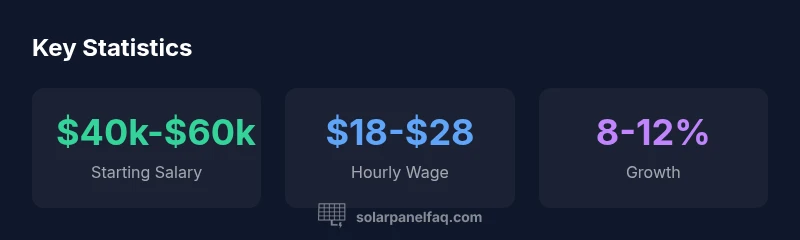
Solar panel installer jobs typically pay between $40k and $60k per year at entry level, with regional variation. In the next decade, demand is strong in sun-rich states, driven by residential and commercial installations. Most roles involve rooftop panel placement, safety compliance, and system testing, with on-the-job training and improving certification options.
What solar panel installer jobs involve
Solar panel installer roles blend hands-on technical work with problem-solving to add solar capacity for homes and small businesses. Typical duties include assessing roof angles and electrical layouts, mounting racks, wiring connections, wiring inverters, and testing system performance. On a clear sunny day, installers may travel between job sites, perform safety checks, and verify energy outputs with diagnostic tools. The work is physically demanding and outdoors, with exposure to heights, weather, and electrical risks. According to Solar Panel FAQ, the field combines practical installation skills with collaboration with electricians, sales teams, and project coordinators to ensure systems operate safely and efficiently. A growing portion of the job also involves customer communication—explaining system basics, maintenance needs, and warranties.
Careers in solar installation often start as on-the-job training roles or through short programs that teach core concepts such as electrical basics, PV system components, and module placement strategies. Apprenticeships and entry-level technician roles provide structured growth paths, enabling hands-on experience while building safety and technical competencies. In many regions, companies pair new hires with senior technicians to accelerate learning and ensure adherence to safety protocols. The result is a practical, in-demand skill set that translates across residential, commercial, and community solar projects.
Pathways into the field
There isn’t a single stair-step path to become a solar panel installer; candidates come from diverse backgrounds, including construction, roofing, electrical, or even landscaping. A common route is an entry-level installer position that includes on-site mentorship and safety training. Short programs or certificates covering PV basics, electrical fundamentals, and system commissioning can jump-start a career, especially when paired with hands-on hours. Some workers begin with general contractor roles or roofing gigs to build the physical stamina and safety mindset useful in solar work. For job seekers, prioritize employers who provide paid on-the-job training, structured progression, and reasonable safe-work certifications. Networking with local solar contractors and attending industry information sessions can also reveal apprenticeship openings and entry-level roles.
Core skills and safety practices
Strong solar installer candidates demonstrate practical problem-solving, mechanical aptitude, and a comfort level with ladders and powered tools. Essential skills include reading blueprints and electrical diagrams, basic hand and power tool proficiency, and the ability to interpret system testing results. Safety is a constant priority: fall protection, electrical safety, and proper handling of tools and materials reduce risk on steep roofs and around live circuits. While formal certifications help, many employers emphasize on-the-job safety training and a demonstrated track record of reliability and punctuality. Developing strong communication skills helps installers explain technical details to customers and coordinate with other trades on site.
Training, certifications, and ongoing learning
Entry routes often combine on-site training with short technical courses that cover PV system components, string sizing, and commissioning procedures. Some workers pursue broad safety credentials (such as basic fall protection and electrical safety) to improve hiring prospects. Over time, advancing to roles with greater responsibility—such as lead installer, site supervisor, or commissioning technician—typically requires more hands-on experience, familiarity with different inverter brands, and the ability to troubleshoot performance anomalies. Continuous learning is common, with installers keeping up-to-date on evolving PV technology, mounting methods, and safety standards as solar solutions expand into new market segments.
Pay, benefits, and career progression
Compensation for solar panel installers varies by region, project type, and experience. Entry-level pay tends to start in the lower end of the salary range, with substantial upside as skills and certifications accumulate. Many employers offer benefits such as health coverage, retirement plans, paid time off, and opportunities for overtime on larger commercial installs. Career progression typically moves from assistant or trainee roles into mid-level installer positions, then into lead installer or project coordination roles. With growth in residential retrofit, new construction, and large-scale community solar, there are opportunities to specialize in rooftop installations, electrical integration, or system commissioning, which can further boost earning potential.
How to break into solar panel installer jobs
If you’re exploring entry into solar panel installer jobs, start by identifying employers that offer structured training and clear advancement paths. Build hands-on experience through roof work or electrical tasks, even in related roles like roofing or electrical apprentice positions. Prioritize safety certifications and basic electrical knowledge; these credentials signal reliability to employers. Prepare a simple portfolio or résumé highlighting on-site safety, punctuality, and teamwork. Finally, apply to multiple companies, attend local job fairs, and reach out to solar installers in your community to learn about current openings and expected qualifications.
Overview for solar panel installer jobs
| Aspect | Typical range | Notes |
|---|---|---|
| Starting salary (yr) | $40k-$60k | Entry to mid-level varies by region |
| Hourly wage | $18-$28 per hour | Regional differences apply |
| Projected growth | 8%-12% | Demand driven by residential/commercial installs |
Frequently Asked Questions
What qualifications are typically needed to begin as a solar panel installer?
Most entry roles require a high school diploma or equivalent and on-the-job safety training. Employers often value hands-on aptitude, reliability, and the ability to learn quickly. Some applicants start with short technical courses to build foundational PV knowledge and electrical basics.
Entry roles usually need a high school diploma and on-the-job safety training; hands-on aptitude and the ability to learn quickly matter most.
Is prior construction experience required to land an installer job?
Prior construction experience is helpful but not always required. Many employers hire motivated individuals from related trades and provide on-site training for solar-specific tasks. Transferable skills like ladder safety, tool use, and teamwork are valued.
Construction experience helps, but many companies train newcomers on the job if you show reliability and safety focus.
What certifications improve job prospects?
Safety and basic electrical safety credentials boost prospects. Beyond that, on-site commissioning and troubleshooting experience, plus familiarity with PV components, can distinguish you from other applicants. Your employer may sponsor or require specific training tied to their equipment.
Safety credentials and hands-on PV knowledge help you stand out when applying.
What does a typical day look like for a solar installer?
A typical day includes site prep, roof or ground-mounted panel placement, wiring checks, inverter testing, and documenting system performance. You may travel between sites, coordinate with electricians, and address customer questions about maintenance and warranties.
You’ll install panels, test the system, and coordinate with the team and customer.
Which regions have the strongest demand for installers?
Regions with strong solar incentives and high solar irradiance tend to have higher demand, including sun-rich states and growing urban areas. Demand also rises where homeowners invest in retrofits and new solar builds escalate.
Sun-rich states with strong incentives typically show higher demand.
How can installers advance their careers?
Advancement typically follows accumulating on-site experience, expanding technical knowledge, and taking on leadership roles like lead installer or project coordinator. Some move into sales engineering or module commissioning with additional training.
Gain on-site experience, learn the tech, and seek leadership roles to advance.
Are remote or non-traditional work options common in this field?
Most solar installation work is on-site and requires physical presence at rooftops or installation sites. Some roles may involve coordination from a base office, but hands-on installation is inherently on-site.
Installations require presence on-site; most work isn’t remote.
“Solar panel installer roles offer tangible contributions to energy transition, with practical skills that scale as solar adoption grows.”
Top Takeaways
- Explore diverse entry routes with hands-on training.
- Salary varies by region but offers solid growth potential.
- Safety and practical skills are the core of the job.
- Career progression exists from technician to lead installer.
- Regional demand drives job opportunities and pay