Photovoltaic Panels: A Practical Home Guide
Explore photovoltaic panels: how they work, system sizing, technology options, installation steps, incentives, and maintenance to power your home with clean, efficient solar energy.


Photovoltaic panels convert sunlight into electricity using PV cells, and can power home electrical loads with clean energy. To grade your options, assess roof suitability, panel efficiency, and system size; compare warranties, inverters, and installation costs; choose a reliable installer; and schedule regular maintenance to maximize long-term performance and savings. Expect to consider grid connection, incentives, and payback timelines.
What photovoltaic panels are and why they matter
Photovoltaic panels, often called PV panels, convert sunlight directly into electricity using semiconductor cells. This process, known as the photovoltaic effect, feeds power to your home's electrical system with minimal moving parts and emissions. According to Solar Panel FAQ, homeowners gain transparency into system design, installation choices, and long-term savings by understanding the basics of photovoltaic panels. This knowledge helps homeowners estimate how solar can fit their energy needs and budget, while also clarifying the roles of modules, inverters, and racking in a safe, code-compliant install.
How photovoltaic panels work
A PV module is made of several solar cells connected to generate DC electricity when exposed to sunlight. When light photons strike the silicon cells, electrons are freed and create a flow of direct current. An inverter then converts DC to alternating current for household use, and a service disconnect protects the system. In strings, multiple panels feed power to a combiner box and inverter. Shading, temperature, and orientation affect performance; modern microinverters or power optimizers can mitigate some losses and improve energy harvest on complex rooftops.
Sizing and system design considerations
To size a photovoltaic system, start with your annual energy consumption from utility bills and assess local sun exposure. A simple rule of thumb is to match the system size to yearly energy demand, adjusted for roof orientation, shading, and derating factors. Calculate capacity by dividing the annual kWh need by the product of average daily sun hours, 365 days, and a derate factor (to account for temperature, wiring losses, and inverter efficiency). For example, a typical home using 10,000 kWh/year might target a 3–4 kW system in regions with good sun, while higher consumption or heavier shading may push toward 5–8 kW. Always verify with a licensed professional and local incentives.
Choosing the right panel technology
Photovoltaic panels come in several technologies, with monocrystalline, polycrystalline, and thin-film being the main options. Monocrystalline panels offer higher efficiency and better performance in shade, while polycrystalline panels are typically more affordable with slightly lower efficiency. Thin-film panels are flexible and can perform well at lower light levels but usually have the lowest efficiency and require more space. Inverters are paired with panels to convert DC to usable AC power; microinverters and optimizers can boost performance on rooftops with shade or complex layouts. When selecting a technology, consider efficiency, space, climate, warranties, and long-term costs.
Installation considerations and site assessment
Site assessment covers roof condition, orientation, tilt angle, and shading from trees or nearby structures. Choose between roof-mounted and ground-mounted systems, taking into account seismic or wind loads and local building codes. Mounting hardware, wiring routes, and access for maintenance are critical design decisions. Obtain necessary permits and arrange utility interconnection approvals; ensure the system design complies with electrical codes and safety standards. A professional assessment helps avoid costly rework and ensures optimal performance from day one.
Costs, incentives, and project planning
Costs for photovoltaic panels depend on system size, panel efficiency, inverter type, mounting hardware, and labor. Rather than fixed prices, consider ranges for modules, inverters, and installation, plus permitting and inspection fees. Local and national incentives can significantly affect the total cost and payback period. Solar panels typically require a upfront investment with long-term energy savings; planning should include expected lifespan, performance degradation, maintenance needs, and warranty coverage. Always compare multiple quotes and verify installer credentials to ensure project success.
Maintenance, safety, and warranties
PV systems require periodic cleaning to remove dust, pollen, and debris that reduce efficiency. Inspect panels for cracks, loose mounting, and shading; monitor inverter status and energy production to detect issues early. Warranties typically cover panels for 20–25 years and inverters for 10–12 years, though specifics vary by manufacturer. Regular professional inspections help maintain safety and ensure the system performs close to its rated capacity over time.
Tools & Materials
- Safety gear (harness, rope, fall protection)(Essential for roof work; ensure training and proper use)
- Racking and mounting hardware(Matches roof type and panel size)
- Photovoltaic panels(Select based on efficiency and warranty)
- Inverter (string or microinverters)(Converts DC to AC power)
- DC disconnect and AC disconnect(Required per code for safety)
- Conduit, wiring, and connectors(Weather-rated components; maintain safety margins)
- Junction boxes and fusing(For safe wiring and protection)
- Multimeter and electrical testing tools(For commissioning and troubleshooting)
- Sealant and weatherproofing materials(Prevent leaks at penetrations)
- Roofing materials for patching (if needed)(Only if roof repair is necessary)
- Ladder and platform for safe access(Secure and stable access to roof area)
- Documentation tools (camera, markers)(Record as-built conditions and labels)
Steps
Estimated time: 3-7 days depending on permits, weather, and system size
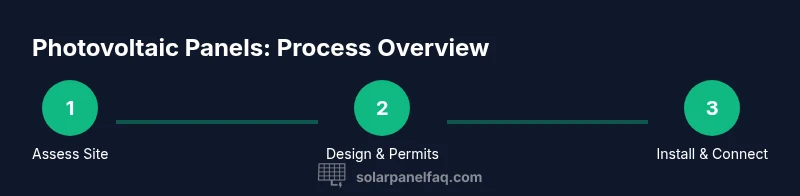
- 1
Assess roof suitability and shading
Evaluate roof orientation, tilt, and potential shading from trees or neighboring structures. Check roof condition and determine if reinforcements are needed before mounting. This step prevents future performance losses and costly rework.
Tip: Use sun-path maps and take photos from multiple angles to document shading patterns at different times of day. - 2
Verify permits and utility interconnection
Check local building codes, HOA rules if applicable, and apply for permits. Schedule a grid-interconnection review with your utility to ensure compliant back-feed and metering arrangements.
Tip: Start early; permitting can take weeks depending on your location. - 3
Select mounting system and electrical design
Choose between roof-mounted or ground-mounted systems and decide on string inverters or microinverters. Plan wiring routes, combiner boxes, and disconnect locations that minimize shading impact and maximize safety.
Tip: Document wiring diagrams and labeling for future maintenance. - 4
Prepare site and safety setup
Install anchors, safety lines, and temporary barriers. Verify ladder stability and ensure weather conditions are safe for installation work.
Tip: Never work on a roof in rain, snow, or high winds. - 5
Install panels and connect wiring
Mount rails, attach panels, and route DC wiring to the inverter or combiner box. Secure all connections and ensure weatherproof sealing at every penetration.
Tip: Tighten clamps and check for secure panel alignment before final wiring. - 6
Commission and verify performance
Power up the system, perform insulation and continuity checks, and verify output against expected production. Document commissioning results and establish a monitoring plan.
Tip: Record inverter readings and check for unexpected voltage or current variations.
Frequently Asked Questions
What is a photovoltaic panel and how does it generate electricity?
A photovoltaic panel uses solar cells to convert sunlight into direct current electricity. An inverter then converts this DC power to AC for home use, and the system is protected by a disconnect switch for safety.
A photovoltaic panel converts sunlight into electricity with solar cells, and an inverter makes it usable in your home.
Can I install photovoltaic panels myself?
While technically possible, rooftop electrical work and roof penetrations carry safety and code risks. It is strongly recommended to hire a licensed installer to ensure safety and proper interconnection with the grid.
DIY solar installation is risky; it's best to hire a licensed professional.
How much space do I need on my roof?
Space depends on panel size, efficiency, and layout. Higher efficiency panels need less space, while shading and orientation can increase required area. A professional assessment will give a precise footprint for your home.
Roof space depends on panel efficiency and shading; a professional can estimate the footprint.
What maintenance do photovoltaic panels require?
Keep panels clear of dust and debris, inspect mounting hardware, and monitor energy output. Most maintenance involves periodic cleaning and professional inspections every few years.
Keep panels clean, inspect mounts, and monitor output; schedule professional checks as needed.
Are there incentives for solar panels?
Many regions offer incentives, rebates, or tax credits. Eligibility varies by location and program, so check local and national resources for current opportunities.
There are often incentives; check local programs for current offers.
What is the typical lifespan of photovoltaic panels?
Most PV panels are warranted for 20–25 years and continue to produce electricity beyond the warranty, though efficiency gradually declines over time.
Panels usually last 20–25 years with gradual efficiency loss over time.
Watch Video
Top Takeaways
- Assess site before selecting panels and mounting.
- Size the system to meet energy needs and local conditions.
- Compare technology, warranties, and installers carefully.
- Prioritize safety and professional installation for long-term reliability.